
Plants
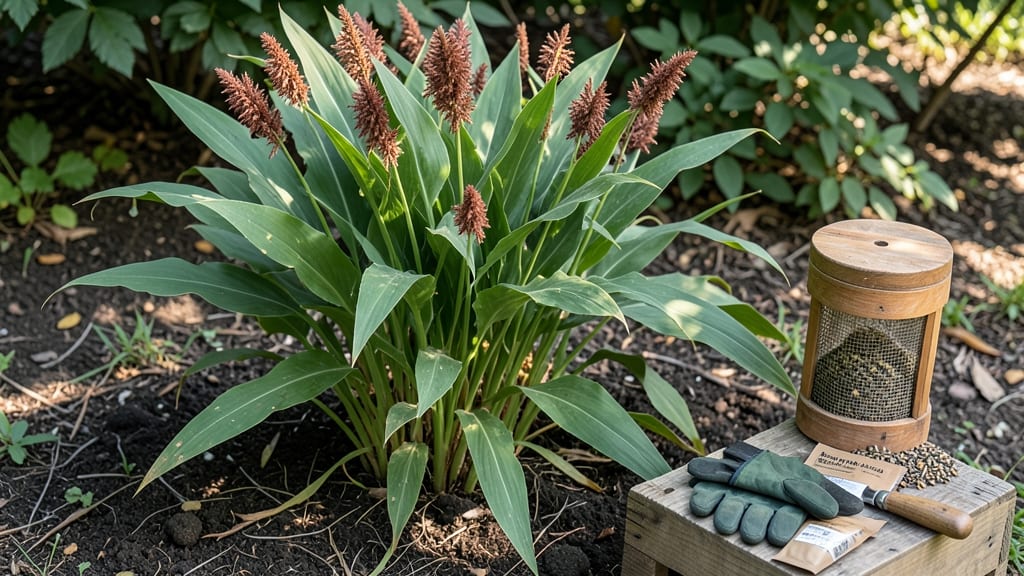
Planting Brown Top Millet 🌾 for doves in Mississippi isn’t just about tossing seeds into the ground—it’s about mastering the perfect timing to ensure your property becomes a dove magnet from late summer through fall.
The difference between a thriving food source and a failed planting often comes down to those critical weeks between late April and early June, when soil temperatures finally cooperate and frost risks fade away.
Mississippi’s 8a climate zone gives you a narrow but golden window to work with, especially if you’re aiming for peak dove activity during hunting season.
Plant too early, and late frosts could wipe out your crop; too late, and your doves might not have enough forage when they need it most. The key is understanding your local microclimate—whether you’re in the cooler northern regions or the warmer southern stretches—and adjusting your schedule accordingly.
What most gardeners don’t realize is that soil temperature is just as important as the calendar date. Brown Top Millet won’t germinate well until the ground reaches at least 60°F, which typically aligns with late April to early May in most of the state.
But here’s the game-changer: even if the weather cooperates, drought conditions can still turn your lush millet into dry straw before the doves arrive.
In this guide, I’ll walk you through the exact steps to time your planting for maximum success—from soil prep and variety selection to watering strategies that keep your millet thriving even when Mississippi’s summer heat kicks in. Let’s get your dove food plot on the right track from day one.
Optimal planting windows for brown top millet in Mississippi’s climate zones
Mississippi’s diverse climate means your brown top millet planting window can vary by 2-3 weeks depending on whether you're in the Delta region or the Northwest hills.
The last frost date (typically March 15) signals the start of your planting window, but soil temperature is the true decider—wait until it hits 60°F for reliable germination.
For most of Mississippi, the ideal planting window stretches from late April to early June. This timing ensures your millet matures just as dove migration peaks in late summer (August-September), providing a high-protein food source when doves need it most.
Planting after early June risks heat stress and stunted growth.
Northern Mississippi (USDA Zone 7b) has a shorter window—aim for April 20 to May 10—while the Delta region (Zone 8a) can extend planting until May 20. The southern tier near the Gulf Coast even has flexibility for June plantings, though yields may be lower.
| Region | USDA Zone | Best Planting Window | Soil Temp Threshold | Drought Risk |
|---|---|---|---|---|
| Northern MS (Tupelo, Oxford) | 7b | April 20 - May 10 | 60°F+ | Moderate |
| Central MS (Jackson, Starkville) | 8a | April 25 - May 15 | 60°F+ | Low-Moderate |
| Delta Region (Greenville, Leland) | 8a-8b | April 30 - May 20 | 60°F+ | Low |
| Southern MS (Biloxi, Gulfport) | 8b-9a | May 1 - June 1 | 65°F+ | Very Low |
If you're in a drought-prone area (like the Northwest hills), prioritize early planting (by May 1) to establish roots before summer dry spells. Use mulch to retain moisture, and consider drip irrigation for consistent watering during germination.
For late plantings (after May 15), choose fast-maturing varieties like 'Mono' millet, which can reach maturity in 60-70 days. These work best in southern Mississippi where summer heat arrives earlier. Avoid planting after June 1—the oppressive heat will stunt growth and reduce seed production.
Pro tip: Check your local extension office for microclimate adjustments. Urban areas (like Jackson) may have 2-3°F warmer soil temperatures than rural fields, giving you a 1-week head start. Use a soil thermometer to confirm readiness—60°F is non-negotiable for germination.
Remember, brown top millet thrives on warmth, not coolth. Planting too early (before April 15) risks frost damage to young seedlings, while planting too late (after June 1) means your doves arrive to an empty buffet.
Strike that balance, and you’ll have dove magnets by August.
🌾 For extra insurance, plant two small batches—one at the start of your window and another 2 weeks later. This staggered approach extends your foraging window and ensures doves have food even if one batch struggles.
Optimal planting windows for brown top millet in Mississippi’s climate zones
Mississippi’s diverse climate zones mean your brown top millet planting timing should vary slightly between North Mississippi (Zones 7b-8a) and South Mississippi (Zone 8b). In the Delta region, warmer soils arrive earlier, while Northeast Mississippi areas often face delayed spring warming.
Always wait until after the last frost date, typically mid-to-late April, but verify with your local USDA Plant Hardiness Zone map.
For peak dove foraging, aim to plant between late April and early June. Early plantings (late April) give you a head start but require vigilance against late frosts.
Late plantings (after early June) risk stunted growth from summer heat stress, though they can still produce forage if irrigated properly. Soil temperatures must reach at least 60°F—use a soil thermometer to confirm readiness in cooler microclimates.
| Zone | Last Frost Date | Ideal Planting Window | Soil Temp Threshold | Drought Risk |
|---|---|---|---|---|
| North MS (7b-8a) | Mid-April | Late April - May 15 | 60°F+ | Moderate |
| Central MS (8a) | Late April | Early May - June 1 | 60°F+ | Low-Moderate |
| South MS (8b) | Early April | Late April - May 10 | 60°F+ | Low |
In drought-prone areas like the Northwest Mississippi hills, prioritize early May plantings to align with natural rainfall patterns. If you’re in a low-lying Delta region, late April works well due to higher humidity.
Always test your soil’s moisture retention—brown top millet thrives in well-drained but consistently moist conditions, so amend sandy soils with compost or peat moss before planting.
For extended forage, consider a staggered planting strategy: sow half your seed in late April and the remainder in early May. This ensures a continuous seed head maturation window, keeping doves fed from late summer through early fall.
In USDA Zone 8a, this approach maximizes your 210 frost-free days for optimal growth.
Watch for May heatwaves—if daytime temps exceed 90°F before germination, create light shade cloth over seed beds until seedlings emerge. In North Mississippi’s cooler microclimates, a row cover can protect young plants from late spring frosts that often hit after April 30.
Always monitor your local National Weather Service forecasts for 10-day outlooks to adjust planting dates accordingly.
Pro tip: Plant brown top millet in wide rows (12-18 inches apart) for easier dove access. This spacing mimics natural wild grassland habitats and encourages doves to forage directly from your plot. Pair with chickory or rapeseed for a diverse food source that attracts doves year-round.