
Plants
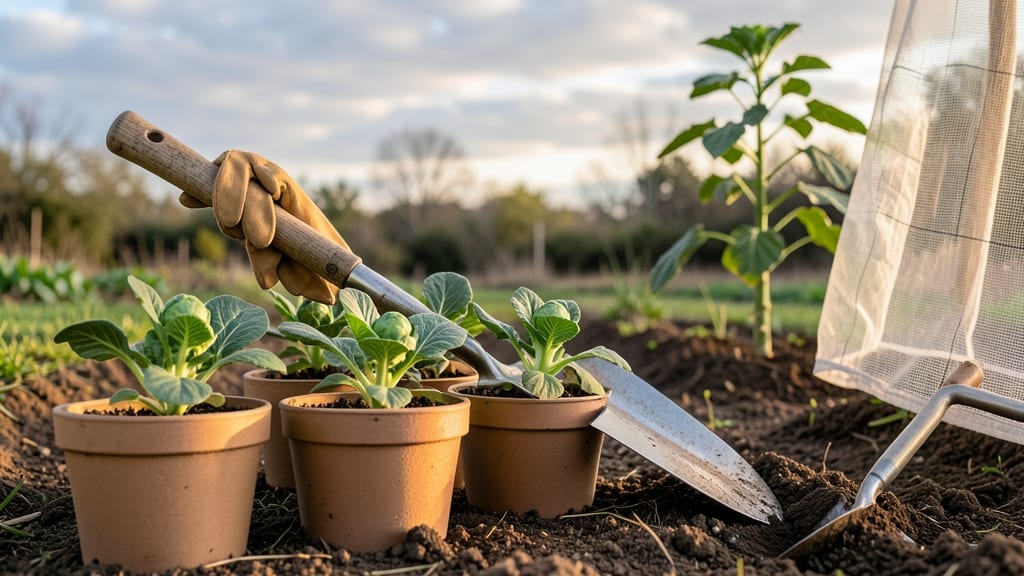
Planting Brussel sprouts 🥦 in Wisconsin isn’t just about dropping seeds in the dirt—it’s about mastering the 4b-5b zone’s quirks to avoid bolting or frost damage. Get the timing wrong, and you’ll end up with bitter, undersized sprouts instead of the sweet, crisp harvest you’re dreaming of.
Most gardeners in Wisconsin struggle with the same question: When exactly should you plant these cool-weather lovers for a fall harvest? The answer depends on your county’s last frost date, but the general rule is mid-April to early June for spring planting or late July to early August for fall.
Miss this window, and you risk stunted growth or plants that bolt before producing.
Here’s the game-changer: Staggered planting every 2-3 weeks ensures a continuous harvest from October through November. Whether you’re in Milwaukee’s 5b zone or Green Bay’s 4b, I’ll break down the exact frost-free windows and soil prep tips to set you up for success.
Ready to grow Brussel sprouts that rival your favorite farmers’ market finds? Let’s dive into the timing, soil, and secrets that turn Wisconsin’s short growing season into your advantage.
Wisconsin’s frost-free dates by county: the perfect planting window for Brussel sprouts
Wisconsin’s cool, temperate climate makes it ideal for growing Brussel sprouts, but timing is critical. The last spring frost typically arrives between mid-April (southern WI) and early June (northern WI), while the first fall frost hits around mid-October.
Planting too early risks cold soil damage, while late planting may lead to bolting before harvest. Let’s break down the optimal planting windows by county and USDA zone.
For fall harvests (the most common in Wisconsin), aim to plant 4-6 weeks before your first frost. This gives your plants 90-120 days to mature—just enough time for dark green, flavorful sprouts.
In USDA zones 4b-5b, this means starting seeds indoors 8-10 weeks before transplanting or sowing directly late July to early August.
Northern Wisconsin (e.g., Dodge, Bayfield, Iron counties) has a shorter growing season (USDA zone 3-4), so focus on early-maturing varieties like ‘Long Island Improved’ or ‘Ruby Ball’. Southern Wisconsin (e.g., Walworth, Dane, Jefferson counties) enjoys zone 5b, allowing for two planting windows: spring (mid-April) and fall (late July).
Here’s a county-by-county breakdown of frost-free dates and ideal planting windows to maximize your harvest:
For spring harvests, plant 8-10 weeks before your last frost (e.g., March 15–April 1 indoors, April 1–May 1 outdoors). This method is riskier in Wisconsin due to late spring frosts, but varieties like ‘Jade Cross’ tolerate light frosts and can produce edible sprouts even in cooler weather.
Always check your local USDA frost map for precise dates, as microclimates (e.g., urban heat islands or lake-effect zones) can shift frost timelines by 1-2 weeks. For example, Milwaukee (zone 5a) may have 2 weeks earlier last frosts than Eau Claire (zone 4a).
Once you’ve nailed down your planting window, focus on soil temperature. Brussel sprouts thrive in 45–85°F soil, so wait until the ground warms to at least 50°F before direct sowing.
Use a soil thermometer to avoid planting in cold, damp soil, which can cause rot or stunted growth.
In northern Wisconsin, staggered fall plantings every 2 weeks from July 15–August 1 ensures a continuous harvest from
How to extend your Brussel sprout season in Wisconsin: staggered planting for fall and spring harvests
Wisconsin’s short growing season doesn’t mean you have to settle for a single harvest of brussel sprouts. By using succession planting, you can enjoy fresh sprouts from late summer through fall—or even spring! The key is timing your plantings every 2-3 weeks to ensure a continuous supply.
Start your first batch of brussel sprout seedlings indoors 6-8 weeks before your area’s last frost date (typically mid-May for most of Wisconsin). For northern counties like Dodge or Bayfield, aim for early April indoor starts, while southern areas like Walworth or Dane can begin in late March.
Once soil temperatures reach 45-50°F (usually mid-April to early May), transplant seedlings outdoors. For a fall harvest, follow up with 3-4 more plantings, spaced 2-3 weeks apart through early July. This ensures each batch matures before the first frost (mid-October in most regions).
📋 Staggered Planting Timeline for Wisconsin
- 1. Indoor Starts: Begin seeds indoors 6-8 weeks before last frost (March-April).
- 2. First Outdoor Transplant: After last frost (mid-May), when soil is 50°F+.
- 3. Succession Plantings: Add new batches every 2-3 weeks through early July.
- 4. Fall Harvest: Begin harvesting October-November, starting with earliest plantings.
- 5. Spring Option: Plant late summer (Aug-Sept) for a late fall/early spring harvest (with frost protection).
Protect young seedlings from late spring frosts (common in USDA Zone 4b) using row covers or cold frames. These create a 5-10°F warmer microclimate, safeguarding tender sprouts until they’re established. Remove covers during the day once plants are 4-6 inches tall to prevent overheating.
For a spring harvest, try a late-summer planting (August) in southern Wisconsin. Use cold-hardy varieties like ‘Long Island Improved’ or ‘Jade Cross’ and cover plants with straw mulch before winter. Harvest in late May-June, just as new growth emerges.
Remember: Brussel sprouts need 90-120 days to mature, so plan your last planting no later than early August to avoid bolting before frost. With this strategy, you’ll enjoy homegrown sprouts for 3-4 months—far longer than a single planting allows! 🥦