
Plants
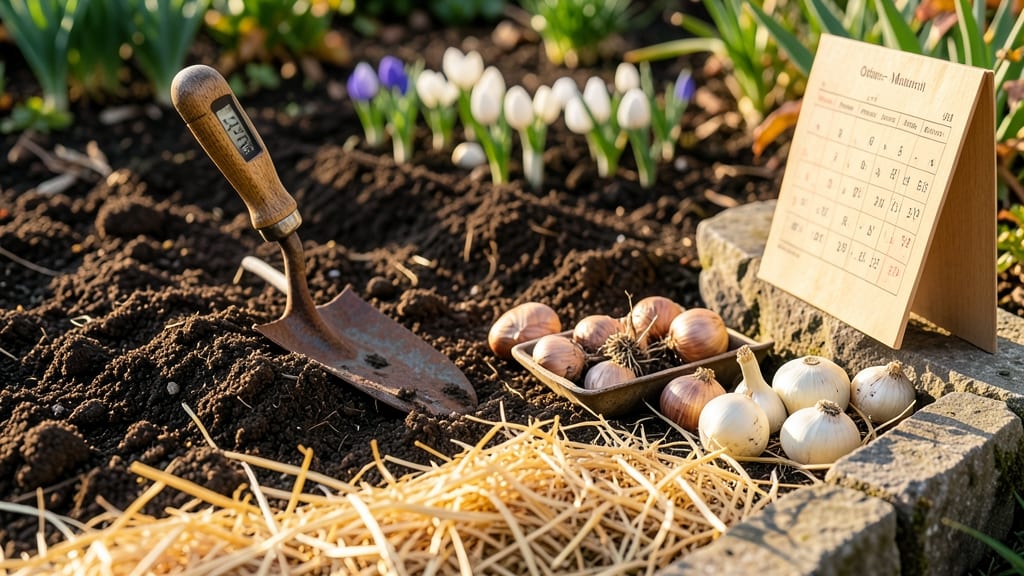
New England planting zones: when to plant bulbs by month
New England’s USDA zones 3-7 create unique challenges for bulb planting, but understanding your specific zone helps you time plantings perfectly for spring blooms. Most bulbs—like tulips and daffodils—need 6-8 weeks before the ground freezes to establish roots.
Coastal areas (like Maine or Massachusetts) may have earlier frost dates than inland regions (like Vermont or New Hampshire).
For spring-flowering bulbs, aim to plant between September and mid-November, while summer-blooming bulbs (like dahlias) go in late spring. The key is soil temperature—wait until it drops to 50-60°F at 4 inches deep. This ensures roots grow before winter sets in.
Here’s how to adapt your planting schedule based on your New England zone and local microclimates. Coastal areas often have milder winters, while inland spots face earlier freezes. Use this guide to avoid planting too early (risking rot) or too late (missing root growth time).
If you miss the fall window, don’t panic! Some bulbs—like crocuses or snowdrops—can handle late fall planting or even early spring (March-April). However, tulips and hyacinths need that root establishment time before winter.
For coastal gardens, watch for earlier frost warnings and plant 2-3 weeks earlier than inland areas.
Pro tip: Use a soil thermometer to check depth—4 inches down is where roots grow. If temps drop below 50°F, wait a week or two. Mulch after planting (2-3 inches of straw or leaves) to insulate bulbs and protect from freeze-thaw cycles.
For container gardening, plant bulbs in pots by mid-October and move them to a garage or cold frame before frost. This works well for tulips or daffodils in urban areas with limited garden space. Just ensure pots have drainage holes to prevent rot.
Remember, New England’s short growing season means every week counts. Planting at the right time ensures your bulbs bloom earlier and more vigorously—giving you that colorful spring display you’ve been dreaming of. 🌷
Top 5 signs your bulbs are ready for planting in New England
Planting bulbs in New England requires patience and precision—especially since our short growing seasons and early frosts demand timing perfection. The key to success lies in recognizing when your bulbs and soil are truly ready. Here’s how to tell if it’s go time for your tulips, daffodils, and alliums.
First, check the soil temperature. Bulbs thrive when the ground cools to 50–60°F. Use a soil thermometer or dig a small hole—if the soil feels cool but workable, it’s likely ready.
In New England, this usually aligns with late September to mid-October, but coastal areas may run a week later due to milder microclimates.
🌱 Numbered Highlights: 5 Signs Your Bulbs Are Ready
- Soil Temp: 50–60°F (test with a thermometer)
- Daylight: 10–12 hours of daylight (signals bulb dormancy)
- Moisture: Soil is damp but not soggy (avoid waterlogged beds)
- Frost: 6–8 weeks before first frost (roots need time to establish)
- Bulb Condition: Firm, dry, and free of mold or soft spots
Next, pay attention to daylight hours. Bulbs need 10–12 hours of daylight to trigger dormancy—a natural signal that it’s time to plant. This typically happens in late September, but early October works too, especially in inland areas like Vermont or New Hampshire where nights cool faster.
Moisture is another critical factor. Your soil should be damp but not waterlogged. Overly wet soil can rot bulbs before they even sprout. A simple test: squeeze a handful of soil—if it holds shape but crumbles easily, it’s perfect.
If it’s bone-dry, water the area lightly 24 hours before planting to mimic natural conditions.
Timing relative to frost is non-negotiable. Bulbs need 6–8 weeks before the ground freezes solid. In USDA Zones 5b–6b, this usually means planting by mid-October. Use your local frost date as a guide—most New Englanders can find this by checking the National Weather Service or local gardening extensions.
Finally, inspect your bulbs for firmness and health. Press a fingernail into the base—it should feel solid, not mushy. Discard any bulbs with soft spots, mold, or sprouts that are too long (trim them to 2 inches).
Healthy bulbs are your best insurance against winter losses, especially in Zone 5, where harsh winters can stress plants.
Pro tip: If you’re unsure, err on the side of planting later. Bulbs planted too early may sprout and get damaged by frost, while those planted a little late will still thrive as long as they’re in the ground before the soil freezes.
Happy planting—and enjoy those spring blooms! 🌷