
Plants
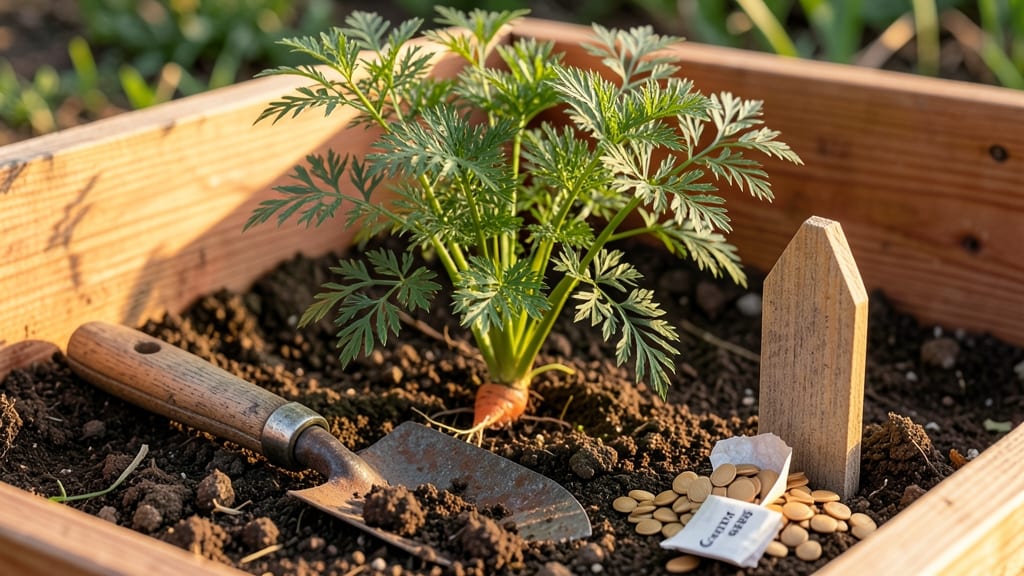
Ohio carrot planting calendar: exact weeks by Zone 5-6 for maximum yield
Ohio’s Zone 5-6 climate gives you two prime windows to grow sweet, crisp carrots—spring and fall—with succession planting in between. The key? Timing your seeds to avoid frost damage and bolting (when carrots flower prematurely).
Most Ohio gardeners face their last frost around mid-April, but this shifts yearly, so plan ahead.
For spring planting, start seeds 2-3 weeks before your last frost date. In Zone 5 (northern Ohio), that’s typically late March to early April. In Zone 6 (southern Ohio), you can push it to early April.
The goal is to have 60-80 days of growth before summer heat slows them down.
Here’s your frost-free timeline, broken down by zone and season, to maximize your harvest without wasting seeds:
| Planting Window | Zone 5 (Northern OH) | Zone 6 (Southern OH) | Key Notes |
|---|---|---|---|
| Early Spring | Late March - Early April | Early April - Mid-April | Plant seeds 2-3 weeks before last frost. Use row covers if frost threatens. |
| Succession Planting | Every 2-3 weeks until early July | Every 2-3 weeks until mid-July | Stagger plantings for continuous harvest. Stop by July 1 to avoid bolting. |
| Fall Planting | Mid-July - Early September | Early July - Early September | Plant 8-10 weeks before first frost (aim for harvest by October). Use shorter-day varieties like 'Danvers'. |
| Soil Temperature Threshold | 50°F (10°C) minimum | 50°F (10°C) minimum | Wait until soil warms to 50°F for germination. Use a soil thermometer to check. |
| Harvest Window | June - October | June - October | Spring carrots ready in 60-70 days; fall carrots in 70-80 days. Harvest before first frost or roots toughen. |
Pro tip: If you’re in northern Ohio (Zone 5), prioritize early spring and late summer plantings. Southern Ohio gardeners can squeeze in one extra succession planting in June for a mid-summer harvest. Always test your soil temperature before planting—cold soil delays germination.
For fall carrots, start seeds no later than early September to ensure they mature before first frost (usually mid-October). If you’re in Zone 6, you might even get a second fall harvest by planting short-day varieties like 'Paris Market' in late July.
Ohio’s humidity and summer heat can stress carrot plants, so succession planting in spring and fall gives you the best shot at crisp, sweet roots. Avoid planting in mid-summer (July-August) unless you’re using shade cloth—the heat causes bolting and woody roots.
One mistake I see often? Planting too deeply or in compacted soil. Ohio’s clay-heavy soils need amending with compost before planting. Aim for loose, well-draining soil and plant seeds just ¼ inch deep—any deeper, and you’ll get forked or stunted roots.
🌱
5 Critical factors that determine your Ohio carrot planting success (beyond dates)
Ohio’s clay-heavy soils and humid summers create unique challenges for carrot growers. While timing matters, these 5 factors often decide whether your seeds sprout into sweet roots or bolt into bitter greens. Let’s break them down with Ohio-specific tips to maximize your harvest.
First, soil temperature is your secret weapon. Carrot seeds need soil at at least 50°F to germinate—colder soils cause rot, while warmer soils (above 80°F) trigger bolting.
Use a soil thermometer in early spring; if temps hover around 45°F, wait or use black plastic mulch to warm the soil faster.
Moisture levels are equally critical. Ohio’s unpredictable spring rains can drown seeds, while summer droughts stress young plants. Aim for consistent moisture—water deeply every 2-3 days in spring and daily in summer. A drip irrigation system prevents soil crusting, which smothers tiny sprouts.
🌱 Ohio Carrot Success Factors
- Soil Temp: 50°F+ for germination; avoid >80°F (bolting risk)
- Moisture: Deep watering every 2-3 days; drip irrigation recommended
- Sunlight: 6-8 hours daily; partial shade in summer prevents bolting
- Seed Depth: ¼ inch max; deeper planting = stunted roots in Ohio’s clay
- Microclimates: Urban areas stay 5°F warmer than rural—adjust planting dates
Don’t overlook sunlight exposure. While carrots thrive in full sun, Ohio’s hot July afternoons can scorch seedlings. Provide afternoon shade using row covers or nearby plants like corn or beans.
In urban gardens, south-facing beds get the most consistent light—ideal for maximizing your 60-80 day harvest window.
Your seed depth matters more than you think. Planting too deep (½ inch) in Ohio’s dense clay soil stunts root growth, while shallow planting (<⅛ inch) risks drying out. Stick to ¼ inch deep and use a fine seed sifter to ensure even spacing. Pro tip: Mix seeds with sand for easier handling in clay-heavy beds.
Finally, urban vs. rural microclimates shift planting windows by 1-2 weeks. Concrete absorbs heat, making city gardens 5°F warmer than farmland. Use this to your advantage: Plant 2 weeks earlier in urban areas or 2 weeks later in cooler rural spots.
Check your local weather station data for precise adjustments.
Master these factors, and you’ll turn Ohio’s challenges into crisp, sweet carrots—no guessing game required. Start with soil prep in February by amending clay with compost and sand for that perfect loose texture. Happy planting! 🥕