
Plants
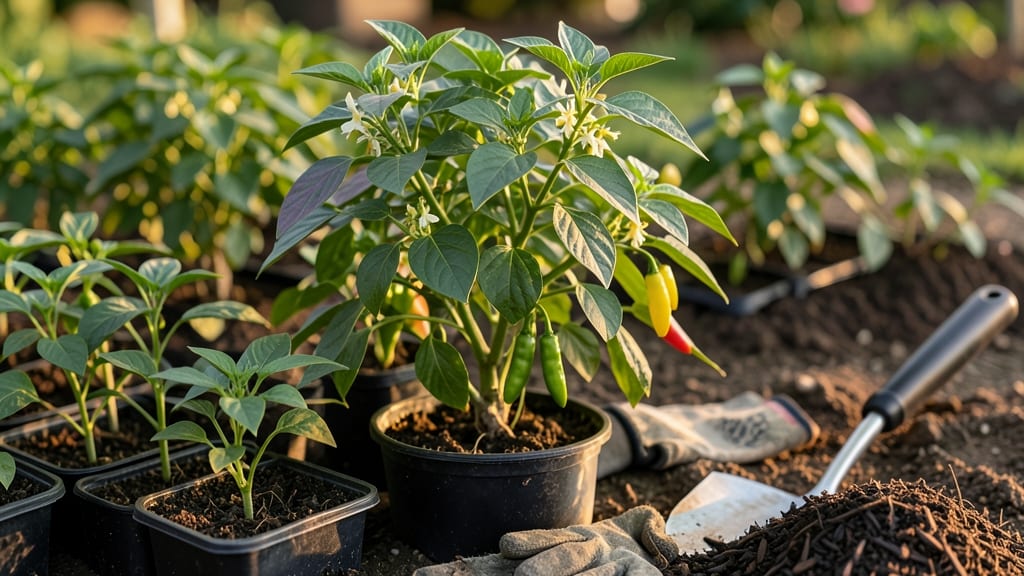
When to plant chillies in the UK can mean the difference between a fiery summer harvest and a sad, frost-nipped failure. With our cooler climate and unpredictable weather, knowing the exact windows for sowing indoors and transplanting outdoors is the key to success.
I’ve grown chillies 🌱 for years across different UK regions, and the one mistake that trips up even experienced gardeners? Planting too early when frost is still lurking, or too late when summer’s warmth fades.
Whether you’re starting seeds in late spring or moving plants outside in late May or June, regional differences matter.
In this guide, I’ll break down the frost-free deadlines for Scotland, England, Wales, and Northern Ireland—plus the best varieties for your climate. You’ll discover how to extend your growing season with simple hacks, so you can enjoy homegrown chillies even in cooler areas.
Ready to turn your garden into a spice factory? Let’s dive into the perfect planting schedule so you can start sowing with confidence and harvest heat all season long.
UK chilli planting deadlines by region: frost-free dates & last frost averages
Growing chillies in the UK means working with a short growing season and unpredictable weather. Unlike tropical climates, our cooler summers and late frosts demand precise timing. Plant too early, and a frost warning could wipe out your seedlings.
Too late, and your chilli plants won’t mature before autumn’s chill sets in. Let’s break down the ideal planting windows by region to ensure your chilli harvest thrives.
The UK’s climate varies dramatically—Scotland’s highlands face frosts weeks after southern England’s last frost. Even a 10-day difference can mean the difference between a bountiful harvest and disappointed gardeners.
Below, I’ve mapped out the frost-free deadlines and planting windows for each region, so you can align your chilli cultivation with the seasons.
🌱 Key Takeaway: Start chillies indoors 8-12 weeks before your region’s last frost date. Harden off seedlings and transplant outdoors only after soil temperatures hit 15°C (59°F) consistently.
If you’re in Scotland or Northern Ireland, your growing window is the shortest. Start seeds indoors in March and transplant by early July to give your chilli plants enough time to mature.
In southern England, you’ve got a little more flexibility—plant outdoors as early as late May and enjoy a longer harvest.
Pro tip: Use a garden thermometer to monitor soil temperatures. Chillies thrive in warm soil (15°C+). If your soil is still cool in June, delay planting or use black plastic mulch to warm it faster. 🌡️
For northern regions, consider container growing on a patio or balcony. Pots warm up faster than ground soil
UK chilli planting deadlines by region: frost-free dates & last frost averages
Growing chillies in the UK requires precise timing—miss the frost-free window, and your seedlings will suffer. The last frost dates vary dramatically across regions, with Scotland’s cooler climate demanding earlier starts than southern England’s milder zones.
Plan your sowing and transplanting around these averages to ensure healthy, productive plants before autumn’s chill arrives.
For indoor sowing, most UK gardeners start chillies 8-12 weeks before their region’s last frost date. This gives seedlings enough time to grow 2-3 inches tall and develop 4-6 true leaves before hardening off.
In warmer southern regions, you might push this to 6-8 weeks, but northern areas should err on the earlier side to account for cooler soils.
| Region | Last Frost Avg. | Indoor Sow Start | Outdoor Plant Window | Key Notes |
|---|---|---|---|---|
| Scotland | Mid-May | Early March | Late June | Use greenhouses or polytunnels for longer seasons |
| Northern England | Early May | Late February | Mid-June | Hardening off critical due to cooler nights |
| Midlands/West | Late April | Early March | Late May | Best for outdoor growing with south-facing spots |
| South England | Early April | Late February | Early May | Longest growing season—try larger varieties |
| Wales/N. Ireland | Mid-May | Early March | Late June | Wind protection essential for seedling health |
When transplanting outdoors, wait until soil temperatures reach at least 15°C (59°F)—use a soil thermometer to check.
In cooler regions, delay planting until mid-June to avoid late frosts that can stunt growth. Southern England gardeners can often plant by early May, giving plants 4-5 months of warm weather to mature.
For container growing, chillies thrive in 10-12 inch pots with drainage holes. Move containers to sheltered spots at night if temperatures drop below 10°C (50°F). Black plastic pots absorb heat better than terracotta, helping roots stay warmer in cooler climates.
Always use well-draining compost mixed with perlite or vermiculite to prevent root rot.
Monitor your local Met Office forecasts for unexpected late frosts, especially in elevated areas. If frost threatens after planting, cover seedlings with fleece or cloches until danger passes. Hardening off seedlings over 7-10 days before transplanting reduces shock and improves survival rates in variable UK weather.
Remember: Chillies need heat to set fruit—aim for 20-30°C (68-86°F) daytime temps. In northern UK, consider greenhouse growing or indoor lighting to extend the season. With the right timing, you’ll enjoy homegrown chillies from late summer to autumn!