
Plants
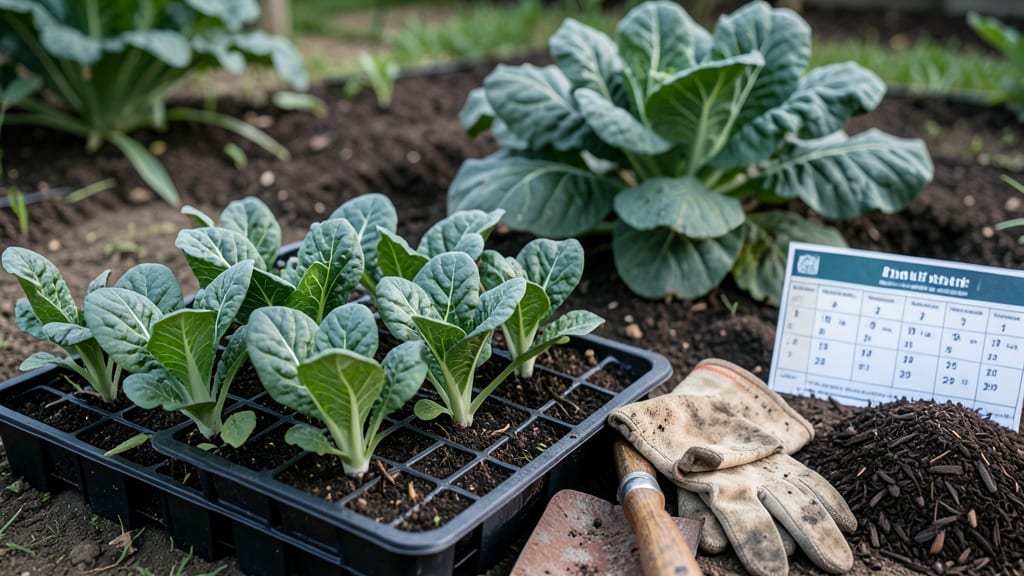
Planting collard greens 🥬 in Tennessee isn’t just about timing—it’s about beating frost and stretching your harvest across seasons. If you’ve ever wondered why your spring crop bolts in heat or your fall plants wilt too soon, the answer lies in understanding your USDA Zone 6-7 climate.
Here’s the game-changer: Tennessee’s microclimates—from Nashville’s urban heat islands to East Tennessee’s cooler valleys—mean your neighbors might be harvesting while you’re still waiting. I’ll break down the exact months to plant for two bumper crops, plus how to pick cold-hardy varieties that thrive when temps dip.
You’ll learn why March 15–April 30 and August 15–September 30 are your golden windows, how to extend harvests with succession planting, and which collards handle Tennessee’s unpredictable frosts like a pro. Let’s get those greens growing the right way.
No more guessing—just science-backed strategies to turn your garden into a year-round collard powerhouse. Ready to dig in?
Best planting months for collard greens in Tennessee zones 6-7
Tennessee’s USDA Zones 6-7 offer two perfect windows to plant collard greens: early spring and late summer. These cold-hardy greens thrive when planted 6-8 weeks before your first frost—typically by March 15 for spring and August 15 for fall.
Timing avoids extreme heat stress in summer while maximizing frost-free growth periods.
In Zone 6 (e.g., Nashville), the last frost date averages March 15-30, making early spring planting ideal. For Zone 7 (e.g., Memphis), you can push spring planting slightly later to April 1-15 due to milder winters.
Fall plantings must happen 8-10 weeks before frost—usually by September 15—to ensure mature harvests before November 15.
Collard greens are heat-tolerant but not heat-loving. Planting in late July or August risks bolting (premature flowering) if daytime temps exceed 85°F. Instead, aim for 60-75°F soil temps for optimal germination and growth. This aligns with Tennessee’s August-September window when temps begin cooling.
🌱
| Planting Window | Zone 6 (Nashville) | Zone 7 (Memphis) | Key Considerations |
|---|---|---|---|
| Spring Planting | March 15–April 15 | April 1–April 30 | Soil temps ≥50°F; avoid frost dates. |
| Fall Planting | August 15–September 15 | August 15–September 30 | Plant 8–10 weeks before first frost. |
| Heat Tolerance | Up to 80°F | Up to 85°F | Avoid planting when temps exceed 90°F. |
| Frost-Free Days | 180–200 days | 200–220 days | Zone 7 extends growing season by ~20 days. |
| Harvest Window | May–June (spring) / Oct–Nov (fall) | May–June (spring) / Oct–Dec (fall) | Fall harvests last longer in Zone 7. |
For succession planting, sow new seeds every 2-3 weeks during your chosen window to ensure a continuous harvest. For example, in Zone 6, plant a batch on March 15, April 1, and April 15 for staggered maturity.
In Zone 7, extend this to April 1, April 15, and May 1 to take advantage of the longer season.
Tennessee’s microclimates play a role—East Tennessee’s higher elevations (e.g., Knoxville) may need 1-2 weeks earlier plantings than West Tennessee’s flatter regions. Check your local frost dates (via Almanac.com) and adjust by 10-14 days if needed.
For example, Chattanooga’s Zone 7a can safely plant until September 20, while Johnson City’s Zone 6b should stop by September 10.
If you’re direct-sowing seeds, aim for soil temperatures between 50-70°F. Use a soil thermometer to verify—below 50°F slows germination, while above 80°F risks bolting. For transplants, start seeds indoors 4-6 weeks before outdoor planting to give them a head start.
Harden off seedlings by acclimating them to outdoor temps for 7-10 days before transplanting.
Pro tip: Mulch heavily after planting to retain soil moisture and moderate temperature fluctuations. Use straw or shredded leaves (2-3 inches thick) to protect young plants from temperature swings common in Tennessee’s spring and fall. This also suppresses weeds, reducing competition for nutrients.
🌿
Best planting months for collard greens in Tennessee zones 6-7
Tennessee’s USDA Zones 6-7 offer two prime windows for planting collard greens: spring and fall. The key is avoiding frost damage while maximizing your harvest season.
In Zone 6, where last frosts hit around March 15, aim for early spring or late summer. Zone 7 gardeners have slightly more flexibility, with last frosts around March 1 and first frosts near November 15.
For spring plantings, start seeds indoors 4-6 weeks before your last frost date (late February for Zone 7, early March for Zone 6). Transplant seedlings outdoors 2-3 weeks before the last expected frost.
In fall, direct-sow seeds 8-10 weeks before your first frost—typically August 15-September 30—to ensure mature plants before cold sets in.
Collard greens thrive in cool weather but bolt (go to seed) when temperatures exceed 85°F. In Tennessee’s humid summers, avoid planting in June-July unless you use shade cloth or choose heat-tolerant varieties. Succession planting every 2 weeks in spring and fall keeps your harvest consistent.
In East Tennessee (higher elevations), expect 1-2 weeks earlier last frosts than in West or Middle Tennessee. For example, Nashville (Zone 7a) typically has a longer frost-free season than Bristol (Zone 6b).
Adjust your planting dates accordingly—Zone 6 gardeners should err on the earlier side for spring and later side for fall.
Pro tip: Use a frost calendar for your specific county (check Tennessee State University Extension) to fine-tune dates.
For instance, Chattanooga (Zone 7b) can push fall plantings into early October, while Knoxville (Zone 6a) should wrap up by late September. Mulching with straw extends the season by 2-4 weeks in both spring and fall.
Remember, collard greens are biennials—they’ll often overwinter in Tennessee’s mild climate. With proper timing, you can enjoy harvests from May through November, even from the same plants! Start with cold-hardy varieties like 'Vates' or 'Georgia Southern' for the best results in Tennessee’s variable climate.