
Plants
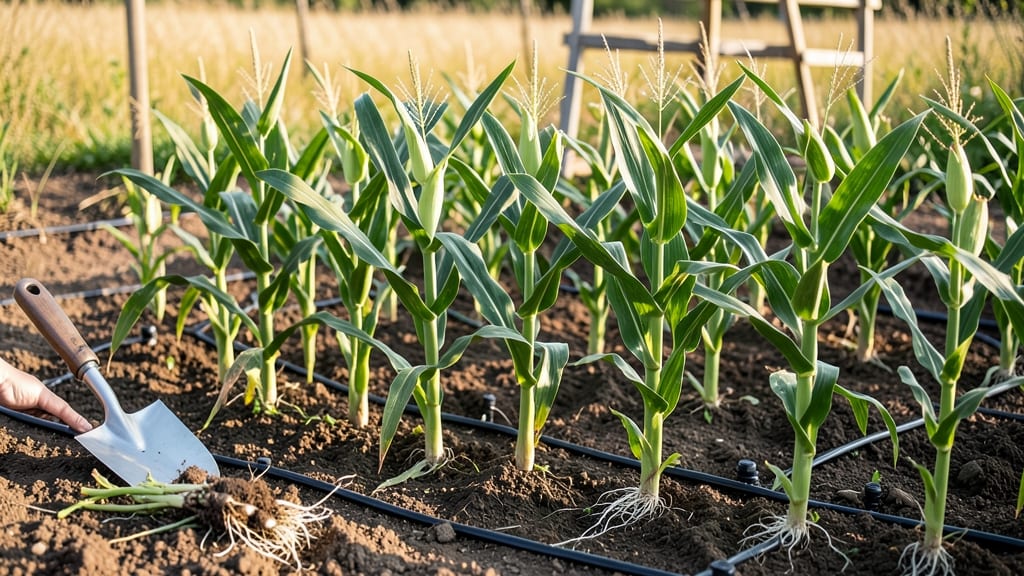
Timing your corn planting in Idaho isn’t just about the calendar—it’s a delicate balance between soil warmth, frost risks, and your specific USDA zone.
Plant too early, and a late frost could wipe out your tender seedlings; too late, and your 🌽 might not mature before Idaho’s first chill sets in.
Most Idaho gardeners in zones 5b-7b aim to plant corn between mid-April and early June, but the real secret lies in waiting until the soil hits 50-60°F—a rule that varies dramatically from Boise’s high desert to the cooler valleys near Coeur d’Alene.
In this guide, I’ll break down the exact planting windows for your zone, plus pro tips to protect your crop from Idaho’s unpredictable weather. Whether you’re a first-time gardener or a seasoned grower, these strategies will help you avoid common mistakes and maximize your harvest.
Ready to turn your Idaho garden into a cornucopia of sweet, homegrown ears? Let’s get started with the timing that works for your microclimate.
Idaho corn planting dates by USDA hardiness Zone (soil temp & frost risks)
Idaho spans USDA Zones 5b through 7b, creating wildly different planting windows from the Treasure Valley’s Zone 7 to the Panhandle’s Zone 5. Your first step? Find your last frost date—Boise typically sees it around May 10, while Coeur d’Alene waits until May 25.
Corn needs soil temperatures above 50°F to sprout, and 60°F+ for steady growth. Use a soil thermometer to confirm—cold soil delays germination by weeks.
For Zone 5b (northern Idaho), aim to plant mid-May to early June after all frost risk passes. In Zone 7b (southern Idaho), you can start as early as late April, but watch for heat waves that dry soil too quickly.
The frost-free window shrinks from 165 days in Boise to just 120 days in Sandpoint, so choose fast-maturing varieties for northern areas.
Here’s the critical rule: Plant when soil hits 50°F and nighttime temps stay above 40°F. In Idaho’s high desert regions, daytime temps can spike to 90°F+ by June, while mountain valleys stay cooler.
This mismatch means early varieties (like ‘Early Sunglow’) thrive in Zone 5, while late varieties (like ‘Silver Queen’) need Zone 7’s longer season.
Pro tip: Calculate your frost-free days by subtracting your last frost date from your first frost date (typically October 15). Idaho’s 120–165 day windows mean you’ll need early-maturing varieties in the north and mid-season types in the south.
For example, ‘Bodacious’ (85 days) fits Zone 5, while ‘Peaches and Cream’ (105 days) works for Zone 7.
Watch for Idaho’s microclimates: A valley like Twin Falls can be 10°F warmer than nearby hills. Use a local weather station (like the Idaho State University AgWeather network) to track soil temps at 4-inch depth.
If temps dip below 50°F after planting, cover seeds with a row cover to retain heat.
For late varieties, plant successive crops every 2 weeks in Zone 7 to stagger harvests. In Zone 5, stick to one planting and choose dwarf varieties like ‘Golden Bantam’ (70 days) to avoid frost damage.
Always plant in blocks, not rows, to improve pollination—corn is wind-pollinated, and isolated plants produce fewer ears.
Remember: Soil temperature matters more than air temperature. A sunny 70°F day with 40°F soil will stall germination. Use black plastic mulch in early spring to warm soil by 5–10°F.
In Zone 5, delay planting until late May if April soil stays cold—a common mistake that leads to poor stands.
🌽 Key Takeaway: Idaho’s Zone 5–7 range means your planting date depends on soil temp + frost risk. Use the table above, then adjust by 1–2 weeks based on your microclimate. For Zone 5, prioritize early varieties; for Zone 7, you can afford longer-season types.
How to adjust corn planting for Idaho’s unique climate challenges
Idaho’s climate throws curveballs—from sudden late frosts in the mountain valleys to scorching heat waves in the Treasure Valley. But with the right adjustments, you can outsmart these challenges and still grow bountiful corn.
The key? Soil warming, frost protection, and heat management tailored to your microclimate.
Start by using black plastic mulch or straw mulch to raise soil temperatures faster. In cooler zones like Zone 5b, this can shave off 2-3 weeks before planting.
For southern Idaho’s Zone 7b, focus on shade cloth during heatwaves to prevent kernel abortion—a common issue when temps hit 95°F+.
Here’s the game-changer: Cold-hardy varieties like ‘Golden Bantam’ (70-day maturity) or ‘Early Sunglow’ (85-day maturity) tolerate light frosts better than standard sweet corn. Pair these with cloche tunnels or row covers for an extra 2-4°F protection during late spring frosts.
Top 3 Adjustments for Idaho’s Climate
Don’t overlook watering strategies. In Idaho’s arid zones, corn needs 1-2 inches of water weekly, but drip irrigation is far better than overhead watering—it reduces fungal diseases like corn smut and keeps roots cool.
For mountain gardens, water in the early morning to prevent nighttime frost from settling on wet foliage.
Timing is everything: In northern Idaho (Zones 5-6), aim to plant by May 15 to ensure a 90-day maturity before frost. In southern Idaho (Zone 7b), you’ve got flexibility—plant mid-April to early June—but prioritize early varieties if you’re harvesting by early September.
Pro tip: Check Idaho State University’s frost risk maps for your county. For example, Coeur d’Alene averages 3 late frosts in May, while Boise sees only 1-2. Adjust your planting date 2 weeks later in high-risk areas.
With these tweaks, you’ll turn Idaho’s quirks into advantages—sweet, homegrown corn that’s worth the extra effort. 🌽