
Planting
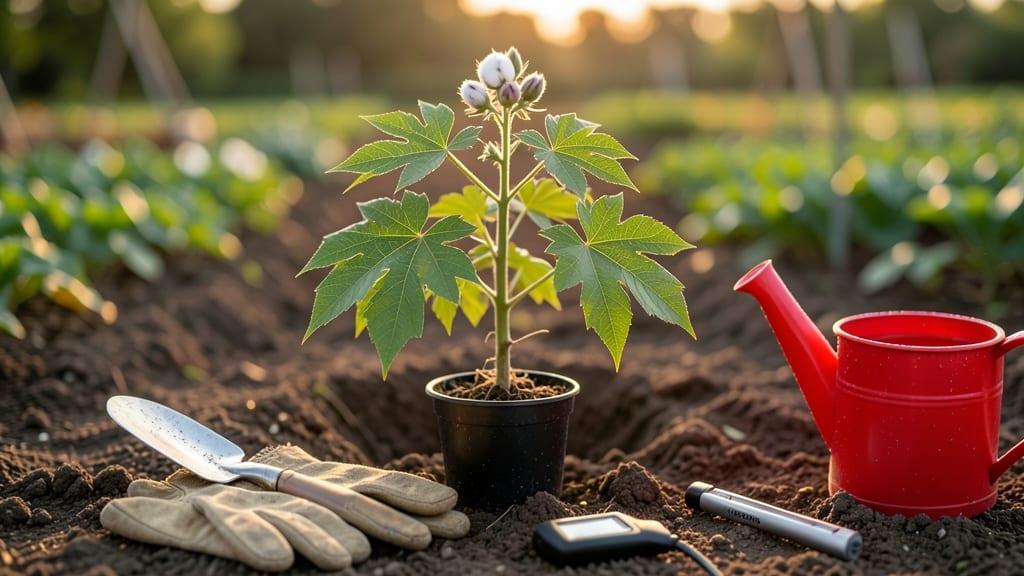
Timing your cotton planting in Texas isn't just about throwing seeds in the ground—it's the difference between a thriving crop and wasted effort. With Texas' diverse heat zones and unpredictable weather, getting those dates wrong can mean stunted plants or even total failure before harvest season.
Whether you're in North Texas where frost lingers until mid-February or South Texas with its earlier warm-up, knowing exactly when to plant 🧵 cotton makes all the difference. The key is waiting for that perfect balance: soil temperatures above 60°F and consistent warmth that signals the end of frost risk.
I've seen firsthand how critical this window is—planted too early, and your cotton faces frost damage; too late, and you miss peak growing conditions. Let me walk you through the precise timing for your specific Texas zone, plus soil prep secrets that'll give your plants the best possible start.
By the end, you'll know exactly when to plant, how to prepare your soil, and what common mistakes to avoid—so you can maximize your yield and outsmart Texas' tricky growing conditions. Ready to get started?
Texas cotton planting dates by heat Zone: exact timing for maximum yield
Texas spans three distinct heat zones for cotton cultivation—each with its own optimal planting window and frost risks. Getting these dates wrong can mean the difference between a lush, high-yield crop and total failure.
Let’s break down the exact timing for North, Central, and South Texas based on USDA Zone 8a-11 guidelines.
Cotton thrives in warm soil temperatures (85-90°F) and long growing seasons. Planting too early risks frost damage, while planting too late cuts your harvest window short. The key is aligning your schedule with local last-frost dates and soil warmth—not just calendar months.
North Texas (Zones 8a-8b), including areas like Lubbock and Amarillo, has the shortest growing season in the state. Here, cotton should be planted after April 15 to avoid late spring frosts. The ideal window is mid-April to early May, when soil temps consistently hit 65°F+.
Central Texas (Zones 8b-9a), covering Austin and San Antonio, offers a longer season. Plant late March to mid-April for best results. This region’s warmer nights and longer daylight accelerate growth, but don’t rush—soil must be at least 60°F for germination.
South Texas (Zones 9b-11), including Houston and Brownsville, allows for the earliest and latest plantings. Start as early as mid-February in Zone 11, but aim for late February to March to balance early pest pressure and heat stress. By April 15, you can plant a second crop if needed.
⚠️ CRITICAL TIMING FACTORS ⚠️
| Zone/Region | Last Frost Date | Ideal Planting Window | Soil Temp Requirement | Frost-Free Days |
|---|---|---|---|---|
| North Texas (8a-8b) | Feb 15 | Mid-April to Early May | 65°F+ | 210 days |
| Central Texas (8b-9a) | Jan 31 | Late March to Mid-April | 60°F+ | 240 days |
| South Texas (9b-11) | Jan 15 | Mid-February to March | 55°F+ | 270+ days |
Use a soil thermometer to confirm readiness—cotton seeds won’t sprout in cool soil. In North Texas, wait until April 15 even if the calendar says spring. In South Texas, planting in February gives you a longer harvest window but increases pest risks like aphids.
For maximum yield, align planting with moon phases (root crops thrive in waxing moon periods). In Central Texas, aim for late March during a waxing gibbous moon for stronger root development. Track local weather patterns—2022’s early April frost in Lubbock wiped out 30% of early plantings.
Pro tip: Pre-sprout seeds indoors in biodegradable pots 2-3 weeks before outdoor planting. This gives North Texas growers a 10-day head start on the 120-day growth cycle. Transplant seedlings when night temps stay above 50°F.
Missed the ideal window? Don’t panic. In South Texas, you can plant a second crop in June for a fall harvest. Just reduce spacing by 20% to account for shorter daylight in late summer. Always prioritize soil warmth over calendar dates—cotton won’t forgive cool soils.
🌱
Soil preparation timeline: 6 critical steps to ready Texas soil for cotton planting
Preparing your Texas soil for cotton is the foundation of a successful harvest. Cotton thrives in well-draining, nutrient-rich soil with a pH between 6.0 and 6.5.
If your soil is too acidic or alkaline, your plants will struggle to absorb essential nutrients, leading to poor growth or even crop failure. Start this process 6-8 weeks before planting to give your soil time to adjust.
First, test your soil's pH and nutrient levels using a home testing kit or professional lab analysis. Texas soils vary dramatically—from the clay-heavy Blackland Prairies to the sandy High Plains. In Central Texas, for example, you’ll often find calcium-rich soils that need balancing with sulfur or lime.
North Texas growers, on the other hand, may need to amend soils with organic matter to improve drainage.
🌱 Step-by-Step Soil Prep Timeline
- 6-8 Weeks Before Planting: Test soil pH and amend if needed (lime for acidity, sulfur for alkalinity).
- 5-6 Weeks Before Planting: Till or rototill the soil to a depth of 8-12 inches, breaking up compacted layers.
- 4 Weeks Before Planting: Add 2-3 inches of compost or well-rotted manure to improve organic matter.
- 2-3 Weeks Before Planting: Apply a balanced fertilizer (10-10-10) to provide essential nutrients.
- 1 Week Before Planting: Level the soil and create raised beds or rows for better drainage.
- At Planting Time: Irrigate the soil to reach 60-70% field capacity before seeding.
In South Texas, where soils are often sandy and nutrient-poor, focus on adding organic amendments like composted leaves or cottonseed meal. These areas also benefit from mulching with straw or black plastic to retain moisture and suppress weeds.
Meanwhile, North Texas growers should prioritize drainage improvements, as clay soils can become waterlogged during spring rains.
One critical step often overlooked is irrigation scheduling. Begin watering your prepared beds 2-3 weeks before planting to ensure the soil is uniformly moist. Cotton seeds need consistent moisture to germinate, and dry soil can cause uneven sprouting.
Use a moisture meter or the finger test—if the top 2 inches of soil feel dry, it’s time to water. Aim for 1-2 inches of water per week during this pre-planting phase.
Finally, consider cover cropping in the off-season to build soil health. Plant crimson clover or winter rye in fall, then till it into the soil before spring planting. This adds nitrogen and organic matter while reducing erosion.
In Central Texas, where summers are hot and dry, cover crops also help retain soil moisture for your cotton plants.
With these steps, your Texas soil will be ready for cotton planting, setting your crop up for strong root development and high yields. Remember, healthy soil = healthy plants, and that starts long before you drop a single seed in the ground. 🌱