
Plants
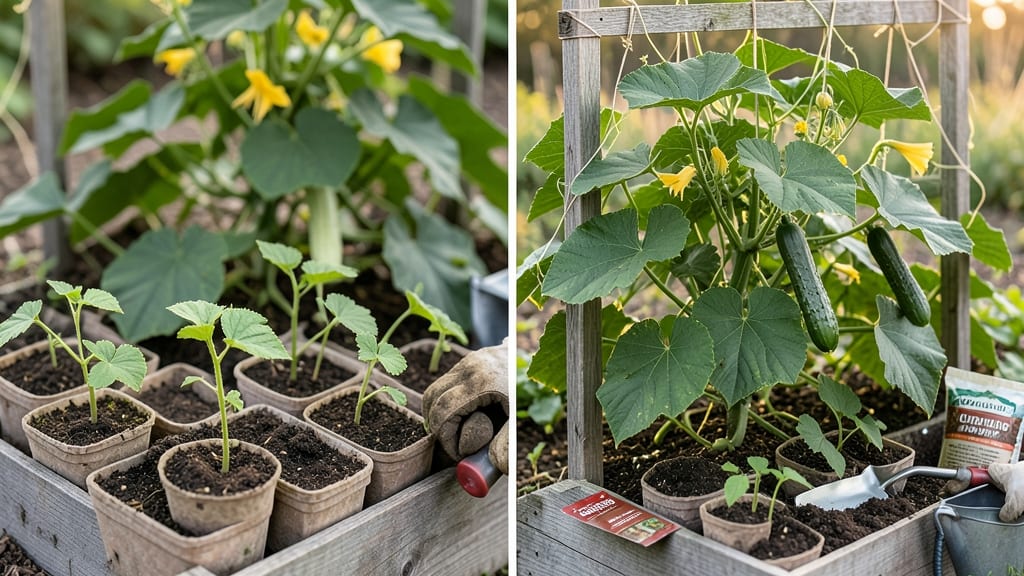
Timing your 🥒 cucumber planting in North Florida isn’t just about avoiding frost—it’s about beating the heat and humidity that can turn your garden into a battleground. Plant too early, and your vines will struggle with cool soil; too late, and pests like cucumber beetles will have a field day.
The sweet spot? Mid-February to mid-March for spring and late July to early August for fall, when soil temperatures finally hit that 60°F sweet spot.
Here’s the kicker: North Florida’s subtropical climate means you can’t just follow generic planting guides. While most gardeners wait until after the last frost (usually mid-March), our long, hot summers demand a different approach.
We’ll break down the exact week-by-week deadlines tailored to your region—whether you’re in Jacksonville, Gainesville, or Tallahassee—to ensure your cucumbers thrive, not just survive.
But timing isn’t the only secret. The right heat-tolerant varieties make all the difference, too. Varieties like ‘Straight Eight’ and ‘Armenian’ are built to handle our sweltering afternoons and sticky humidity, while others wilt faster.
I’ll share which ones to pick—and which to skip—to guarantee a bountiful harvest from May to June and again in September and October.
Ready to grow cucumbers that actually last? Let’s dive into the precise planting schedule, the best varieties for your climate, and how to avoid the 3 biggest mistakes that ruin North Florida harvests every year. Your garden—and your taste buds—will thank you.
North Florida cucumber planting deadlines by week: avoid frost & beat the heat
North Florida’s Zone 8a-9a climate gives you two prime windows to grow cucumbers: spring and fall. But timing is critical—plant too early, and frost will kill seedlings; too late, and summer heat will stress your vines.
My exact week-by-week schedule aligns with Jacksonville’s last frost date (mid-March) and Tallahassee’s slightly later late-February average.
For spring planting, start seeds indoors 6-8 weeks before your last frost date (around mid-January). Transplant seedlings outdoors 2 weeks after the last frost (early-to-mid March). This gives your vines time to establish before 90°F+ temperatures hit in May.
Fall planting is trickier—cucumbers need 60°F+ soil to germinate, so wait until late July to early August. This ensures harvests before first frost (mid-November). In Jacksonville, aim for August 1-15; in Gainesville, push to August 15-30.
Here’s my visual planting timeline with critical milestones for North Florida’s two growing seasons:
| Season | Planting Window | Key Milestones | Soil Temp Requirement |
|---|---|---|---|
| Spring | Mid-January (indoors) → Early-to-Mid March (outdoors) | Last frost: Feb 15–Mar 15 Transplant after: 2 weeks post-frost |
60°F+ |
| Spring | Direct sow: March 15–April 15 | Harvest: May–June Peak heat arrives: July |
60°F+ |
| Fall | Late July–Early August | First frost: Mid-November Harvest: Sept–Oct |
60°F+ |
| Fall | Direct sow only | Avoid 90°F+ soil (germination fails) | 60°F–75°F |
Pro tip: Use black plastic mulch in summer to raise soil temps 5–10°F faster, giving you a 2-week earlier planting window. This is especially helpful in Gainesville’s cooler microclimates.
For succession planting, sow new seeds every 2 weeks after your initial planting. This stretches your harvest from May through July in spring and September through October in fall. Just stop 6 weeks before frost—cucumbers won’t mature in cool soil.
North Florida’s humidity and pests (like cucumber beetles) mean you’ll need to act fast. Start seeds 1 inch deep and keep soil moist until germination (5–10 days). Once seedlings emerge, thin to 12–24 inches apart for bush varieties or 36–48 inches apart for vining types.
Remember: Heat tolerance is key. If your vines wilt in 95°F+ temps, provide afternoon shade cloth (30–50% shade) to protect leaves while still allowing sunlight for fruit production. This simple trick can double your yield in North Florida’s brutal summers.
North Florida cucumber planting deadlines by week: avoid frost & beat the heat
North Florida’s Zone 8a-9a climate gives you two prime planting windows for cucumbers—spring and fall—but timing is critical. Plant too early, and frost damage or cold soil will stunt growth; too late, and summer heat or humidity will stress your plants.
Let’s break down the exact week-by-week deadlines for Jacksonville, Gainesville, and Tallahassee.
For spring planting, aim for mid-February to mid-March after your last frost date (typically Feb 15–Mar 15). Soil must reach 60°F+ for seeds to germinate.
In fall, plant late July to early August to harvest before first frost (mid-November). These windows ensure your cucumbers thrive without battling extreme heat or cold.
| Season | Planting Window | Soil Temp | Key Milestone | Harvest Time |
|---|---|---|---|---|
| Spring | Mid-February to Mid-March | 60°F+ | Last frost (Feb 15–Mar 15) | May–June |
| Fall | Late July to Early August | 60°F+ | First frost (mid-November) | September–October |
| Succession Planting | Every 2 weeks (spring/fall) | 60°F+ | Extended harvest | May–October |
If you miss the primary planting windows, don’t panic! North Florida’s warm climate allows for succession planting every 2 weeks during spring and fall. This tactic extends your harvest from May through October, ensuring a steady supply of fresh cucumbers.
Just be mindful of soil moisture and pest pressure during peak summer months.
For Jacksonville’s coastal climate, plant 1–2 weeks earlier than Gainesville or Tallahassee due to milder temperatures. Inland areas like Gainesville and Tallahassee may need to wait until early March for spring planting to avoid late frost risks. Always check your local Almanac frost dates for precision.
Pro tip: Use black plastic mulch to warm soil faster in spring or shade cloth in summer to protect young plants from intense heat. These tricks help you stretch planting windows by 1–2 weeks in either direction.
Combine this with heat-tolerant varieties (like ‘Straight Eight’ or ‘Marketmore 76’), and you’ll enjoy a longer, more productive harvest.
Remember, cucumbers are fast growers—they need 55–70 days to mature. Planting too late in spring means your vines will overheat before fruiting, while fall plantings must beat the first frost. Plan ahead, and you’ll avoid these common pitfalls entirely.