
Plants
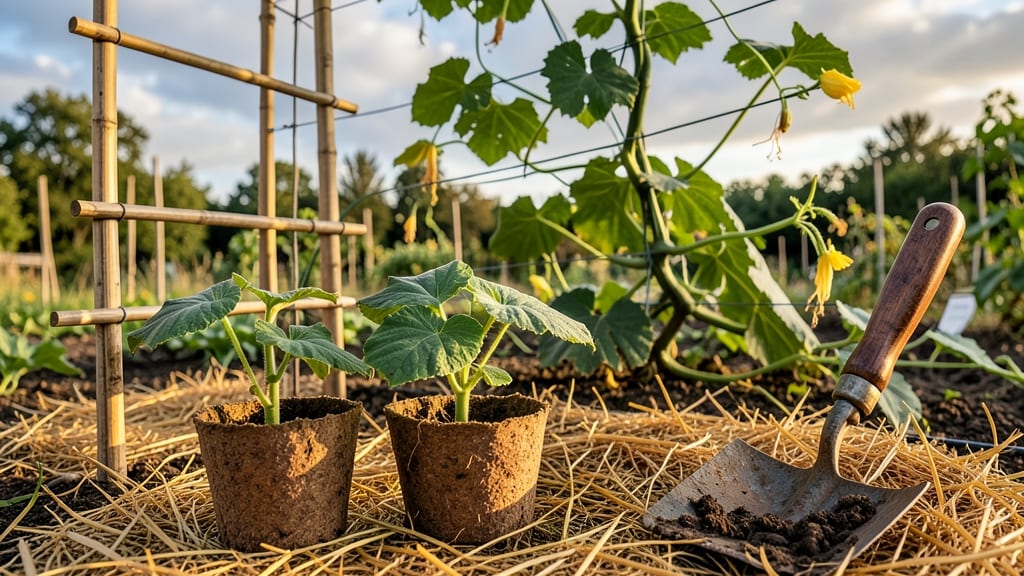
When to plant cucumbers in Northern California can make or break your harvest—get it wrong, and you’ll either wait months for fruit or watch your vines wilt in summer heat. The key isn’t just avoiding frost; it’s hitting those 60°F soil temperature deadlines when coastal fog lifts and inland valleys warm up.
Most gardeners in zones 8a-9b swear by mid-April to early June for spring plantings, but that window shifts dramatically between the Bay Area’s chillier mornings and Sacramento’s faster-warming soil. Even late July starts work for summer varieties, if you’ve got black plastic mulch ready to crank up the heat.
I’ve learned the hard way that rushing cucumbers into cold ground means stunted growth, while waiting too long risks blossom drop from heat stress. The solution? Plant after your last frost date—but don’t just check a calendar.
Dig your finger an inch deep; if the soil feels cooler than your wrist, wait a week.
What you’ll discover here are the exact microclimate rules for your region, plus succession planting tricks to keep your harvest stretching from June through October. Let’s turn your timing from guesswork into a guaranteed bounty.
Northern California’s cucumber planting zones: frost dates by microclimate
Northern California’s diverse climate—from the chilly coastal fog of San Francisco to the hot inland valleys of Sacramento—means cucumber planting times vary dramatically. Understanding your USDA zone (7b-10a) and local frost dates is critical to avoid frost damage or missed harvests.
Most regions experience their last frost between mid-February and early April, but coastal areas like Santa Cruz can linger colder until late March.
Cucumbers thrive in warm soil (60°F+) and air temperatures above 55°F. If you plant too early, seedlings will rot; too late, and you’ll face bolting (premature flowering) or poor yields. My rule? Wait until nighttime temps consistently stay above 50°F before transplanting or direct sowing.
Here’s how to align your planting with Northern California’s microclimates. Coastal areas (e.g., Sonoma, Marin) have a longer growing season but cooler springs, while inland valleys (e.g., Stockton, Fresno) warm up faster but face hotter summers. Choose your zone below to see exact deadlines.
For direct sowing (planting seeds outdoors), aim for 2–3 weeks after your last frost date when soil is consistently warm. If you’re using starter plants, transplant them 1–2 weeks earlier to give roots time to establish before extreme heat arrives.
Pro tip: Use a soil thermometer—cucumbers won’t germinate below 60°F.
Northern California’s summer planting window opens in late July for a fall harvest. This works best in inland areas where first frost arrives after October 15. Coastal gardeners should skip summer plantings—they’ll likely face frost before cucumbers mature. Instead, focus on spring plantings for a June–August harvest.
One more tip: Black plastic mulch can warm soil by 10–15°F, letting you plant 2–3 weeks earlier in cooler zones. Lay it down 1–2 weeks before planting to maximize heat absorption. Just
Now that you’ve got your planting deadlines, let’s talk about succession planting to stretch your harvest season even longer. The key? Stagger your plantings every 2–3 weeks for continuous
Succession planting strategies for continuous cucumber harvests
Northern California’s diverse microclimates—from the cool coastal fog of San Francisco to the hot inland valleys of Sacramento—create perfect conditions for staggered cucumber plantings. By spacing out your plantings every 2-3 weeks, you can enjoy fresh cucumbers from June through October without gaps in production.
Start your first batch of cucumber seeds indoors in late March (or transplant seedlings in early April) for a spring harvest. Then, repeat plantings every 3 weeks until mid-June to keep vines producing through summer’s heat.
This method works especially well for bush varieties like 'Bush Champion' or 'Spacemaster,' which mature faster than vining types.
For summer plantings, wait until late July to avoid heat stress during germination. Choose heat-tolerant varieties like 'Straight Eight' or 'Lemon Cucumber' for inland areas, while cooler coastal zones can handle standard types like 'Marketmore' until early August.
Always use black plastic mulch to warm soil faster and retain moisture during dry spells.
- Late March: Start seeds indoors or transplant seedlings (coastal areas).
- Early April: First direct sowing outdoors after last frost (soil ≥60°F).
- Every 3 weeks: Repeat plantings until mid-June for continuous harvests.
- Late July: Begin summer succession for inland areas (avoid coastal fog delays).
- Early August: Final summer planting for coastal zones (heat-sensitive varieties).
Companion planting boosts yields by repelling pests and improving soil health. Pair cucumbers with marigolds (deter beetles), nasturtiums (trap aphids), or beans (fix nitrogen). Avoid planting near potatoes or sage, which stunt cucumber growth.
In container gardens, use 5-gallon pots for bush varieties and trellis vining types to save space while maximizing sunlight exposure.
Monitor soil moisture closely during succession transitions, especially when moving from spring to summer plantings. Drip irrigation on a timer ensures consistent watering, while mulching with straw reduces evaporation.
If your summer crop shows blossom drop, it’s a sign of heat stress—provide afternoon shade with floating row covers or shade cloth until vines acclimate.
Harvest cucumbers every 2-3 days to encourage new fruit production. Use a sharp knife or pruners to avoid damaging vines, and always pick in the morning when skins are firm.
Store freshly picked cucumbers in the fridge for up to 1 week, or use them immediately in salads, pickles, or sandwiches for peak flavor.