
Plants
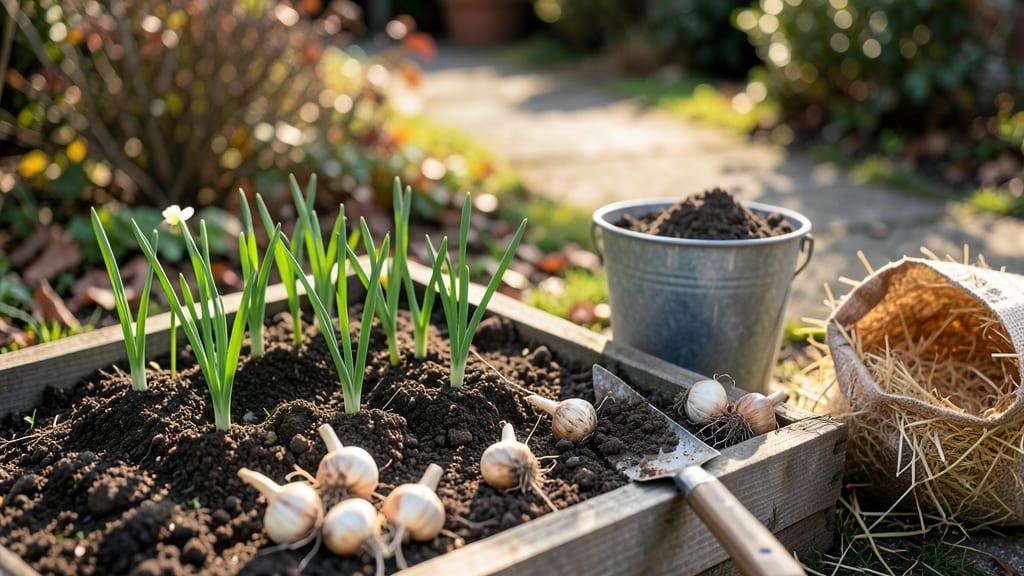
Timing your daffodil bulb planting in Northern California could mean the difference between a showstopping spring display and wasted effort. With our region's mild winters and varied frost patterns—from coastal chill to inland warmth—getting it right means understanding your microclimate.
Most gardeners in zones 8a-9b plant between October and December, but that window shifts dramatically depending on whether you're near the foggy coast or in the warmer Central Valley.
Plant too early, and your 🌼 bulbs might rot; too late, and you'll miss the ideal 6-8 week pre-frost preparation period.
I'll break down the exact planting schedule for Northern California's five key zones—plus soil prep secrets and post-planting care to ensure your daffodils thrive. Whether you're in the Bay Area's moderate climate or the Sierra foothills' cooler nights, these tips will help you time it perfectly.
Ready to transform your garden? Let's dive into the most reliable planting methods tailored to your specific corner of Northern California—so you can enjoy those cheerful blooms come spring without a single guess.
Best planting months for daffodil bulbs in Northern California’s 5 key zones
Northern California’s microclimates create unique challenges for daffodil growers. While most regions target October–November planting, coastal areas like the Redwood Coast can plant as late as December, while inland valleys like the Sacramento Valley may need to start as early as September.
Understanding your zone’s frost dates and soil conditions is key to timing.
Daffodils thrive when planted 6–8 weeks before the ground freezes. In Northern California’s USDA Zones 8a–9b, this typically means aiming for mid-October to early December, but your exact window depends on elevation and proximity to the coast.
For example, San Francisco’s coastal fog delays frost longer than Sacramento’s valley heat, so adjust accordingly.
Here’s how to match your region’s climate to the perfect planting window for vibrant spring blooms:
| Region | Ideal Planting Window | Key Climate Notes | Soil Prep Tip |
|---|---|---|---|
| Coastal (San Francisco, Monterey) | Late October–December | Mild winters, delayed frost (Jan–Feb) | Amend sandy soil with compost |
| Bay Area (Oakland, Berkeley) | Mid-October–November | Foggy winters, frost risk after Dec 15 | Test pH (6.0–7.0); add lime if needed |
| Sacramento Valley | September–October | Early frosts (Nov–Dec); hot summers | Break up clay soil with gypsum |
| Sierra Foothills | October–November | Cooler nights, frost risk after Nov 1 | Mulch with straw to insulate bulbs |
| Redwood Coast (Eureka, Arcata) | November–December | Cool, wet winters; frost rare until Jan | Drainage is critical—plant on mounds |
For coastal regions, prioritize well-draining soil to prevent bulb rot from winter rains. In inland valleys, focus on early planting to avoid heat stress before dormancy. Always plant bulbs 6 inches deep and 3x their width apart for optimal airflow and growth.
After planting, mulch with 2–3 inches of straw to insulate bulbs from temperature swings. This is especially critical in Sierra Foothills, where nights can drop below freezing while days stay mild. Remove mulch in early spring once shoots emerge to prevent rot.
Northern California’s mild winters extend the planting window slightly later than colder regions, but don’t wait until January. Bulbs need time to establish roots before spring growth begins. Aim to finish planting by December 15 in most zones to ensure robust blooms by March–May.
Pro tip: Use a soil thermometer to monitor ground temps. Plant when soil reaches 50–60°F—ideal for root development without encouraging premature sprouting. This often aligns with late October in most Northern California zones.
For container gardening, plant daffodil bulbs in well-draining pots with a minimum 6-inch depth. Use a lightweight potting mix and place containers in a protected outdoor spot (e.g., against a north-facing wall) to mimic in-ground conditions. Move pots indoors before freezing temps if your region experiences hard frosts.
Remember: Daffodils are hardy and will often survive slight timing missteps, but perfect conditions yield larger blooms and longer vase life. With these regional guidelines, you’ll be well on your way to a show-stopping spring display.
How to adjust planting time for early vs. late-blooming daffodil varieties
Northern California’s cool coastal climates and warmer inland valleys create unique challenges for daffodil timing. Early-blooming varieties like ‘Tête-à-Tête’ need precise planting to avoid winter dormancy, while late-bloomers like ‘Ice Follies’ can handle slightly later starts. The key? Understanding your USDA Zone 8a-9b and bulb chilling needs.
Most daffodils require 12-16 weeks of chilling (40-50°F) to bloom. In coastal areas (Zone 9b), plant early October for spring blooms, while inland valleys (Zone 8a) can wait until mid-November. Summer-blooming varieties (like ‘Cantab’) need fall planting in September to avoid heat stress.
Here’s how to align planting with bloom time:
For coastal gardeners, prioritize early October planting to ensure bulbs establish roots before winter rains. In Sacramento Valley, wait until November 1st to avoid soil saturation from early rains. Always plant 6 weeks before first frost—check your local USDA frost map for precision.
Pro tip: Use mulch (3–4 inches) after planting to regulate soil temps. In warmer inland zones, opt for white mulch to reflect heat; in cooler coastal areas, use dark mulch for extra warmth. This small tweak can shift bloom times by 1–2 weeks.
Test your bulbs’ readiness by checking soil temps—aim for 50–60°F. Use a soil thermometer to avoid planting too early in warm zones like Napa Valley, where October soils may still be 70°F. Adjust your schedule accordingly.
Timing isn’t just about months—it’s about microclimates. A sunny south-facing slope in Sonoma may need 2 weeks earlier than a shady Redwood Coast garden. Observe your yard’s sun exposure and wind patterns for the perfect window.