
Plants
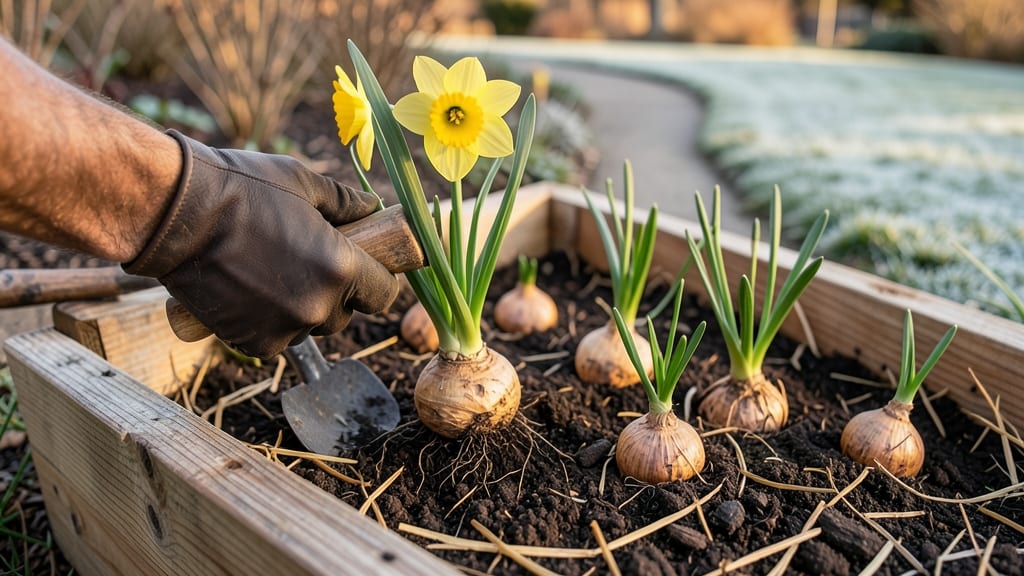
Planting daffodils in Minnesota at the wrong time can mean the difference between a vibrant spring garden and a sad, frost-killed disappointment. If you've ever wondered why your daffodils 🌼 refuse to bloom reliably, timing is the key—and Zone 4's unpredictable frost dates make it tricky.
I've spent years perfecting my fall planting schedule here, and the secret isn't just about the calendar—it's about understanding when your soil cools and when those first hard frosts arrive.
Minnesota's September-November window gives you the perfect balance, but getting it wrong can leave your bulbs vulnerable to winter damage or delayed blooms.
What you'll discover here are the exact weeks to plant for foolproof results, plus how to prep your soil and bulbs for Minnesota's harsh winters. Whether you're a first-time gardener or a seasoned pro, these tips will ensure your daffodils push through the snow and greet spring with color.
Ready to transform your yard into an early-season showstopper? Let's dive into the step-by-step timing that works for Minnesota's climate—no more guesswork, just guaranteed blooms.
Best planting months for daffodils in Minnesota’s Zone 4 climate
Minnesota’s Zone 4 climate creates a unique challenge for daffodil lovers—get the timing wrong, and you’ll either lose your bulbs to frost or miss the spring bloom window entirely. The key is planting when soil temperatures drop to 50-60°F (10-15°C), signaling your daffodils to root before winter sets in.
This typically lands in late September through November, but microclimates across the state mean your exact window could shift by weeks.
Northern Minnesota (Zones 3-4) gardeners should aim for early September to mid-October, while southern regions (like the Twin Cities) can push planting until late October or early November. The rule of thumb: plant 4-6 weeks before the ground freezes—usually by October 1st in most areas.
Check the MN State University Extension frost date maps for your specific county to fine-tune your schedule.
Why fall? Daffodils are hardy perennials that need time to establish roots before winter. Planting in spring is possible but risky—bulbs may not bloom until the following year, and they’re more vulnerable to rodent damage and drought stress during establishment.
For reliable blooms, fall planting is the gold standard in Zone 4.
🌼 Pro Tip: If you miss the fall window, don’t despair! You can plant daffodils in early spring (March-April), but expect delayed blooms and less vigor. The trade-off? Fewer squirrel thefts since rodents are less active in spring.
🌱 Daffodil Planting Timeline for Minnesota
| Month | Ideal Planting Window | Soil Temp (°F) | Notes |
|---|---|---|---|
| September | Late Sept - Early Oct | 50-60°F | Best for northern MN; bulbs root before hard freeze. |
| October | Mid-Oct - Early Nov | 40-50°F | Optimal for Twin Cities; ground may freeze by late Oct. |
| November | Early Nov (southern MN) | 35-45°F | Risky; plant only if soil hasn’t frozen. |
| Spring Backup | 40-50°F | March-April; blooms delayed by 1 year. | |
Microclimates play a huge role in Minnesota. A south-facing slope in your yard might stay warm enough for late-October planting, while a low-lying area could freeze by mid-October.
Observe your garden’s frost patterns for 2-3 years to identify the safest window. Urban areas like Minneapolis often have warmer microclimates than rural zones, so adjust accordingly.
For early blooms, choose ‘Ice Follies’ or ‘Tête-à-Tête’ varieties—they thrive in Zone 4 and often push through snow. These dwarf daffodils (6-12 inches tall) are perfect for container gardens or rocky slopes where larger varieties might struggle.
Pair them with crocuses for a sequential spring display that brightens your garden from March through May.
🌡️ Watch For: Soil temperatures below 40°F (4°C) signal it’s time to stop planting. Use a soil thermometer ($10 at garden centers) to track conditions. If you’re unsure, plant a test bulb in early October—if it survives, you’re good to go for later plantings.
Remember, daffodils planted in full sun (6+ hours daily) will bloom 2-3 weeks earlier than those in partial shade. In Minnesota’s short growing season, those extra weeks of color make all the difference. Mark your calendar now: late September is your best bet for a vibrant spring show next year.
Best planting months for daffodils in Minnesota’s Zone 4 climate
Minnesota’s Zone 4 climate demands precise timing for daffodils, where fall planting is ideal to establish roots before winter. The best window spans from late September through mid-November, aligning with soil temperatures dropping below 60°F—critical for bulb dormancy.
Northern Minnesota’s shorter growing season (e.g., Duluth) favors early September planting, while southern regions (e.g., Rochester) can extend planting until late November. Always aim to plant 4-6 weeks before ground freeze, typically by October 15 statewide.
Spring planting is possible but risky—only attempt it if your soil thaws by late March and you use pre-chilled bulbs. This method rarely matches fall’s success rate due to limited root establishment before summer heat.
| Region | Ideal Planting Window | Soil Temp Threshold | Key Consideration |
|---|---|---|---|
| Northern MN (Zone 3) | Late August–early October | Below 55°F | Shorter growing season |
| Central MN (Zone 4) | Late September–mid-November | Below 60°F | Standard timing for Zone 4 |
| Southern MN (Zone 4b) | October–early December | Below 60°F | Later frost dates |
For reliable blooms, prioritize early spring varieties like ‘Ice Follies’ or ‘Tête-à-Tête’, which tolerate Minnesota’s short growing season. Check the MN State University Extension frost date maps to fine-tune your schedule each year.
Pro tip: Mark your calendar for October 15 as the last safe planting date in most of Zone 4. This ensures bulbs root before consistent freezing—the key to surviving Minnesota winters.
If you miss fall’s window, spring planting is a backup, but only use pre-chilled bulbs and plant as soon as soil thaws (typically late March–April). Expect delayed blooms or smaller flowers compared to fall-planted bulbs.