
Plants
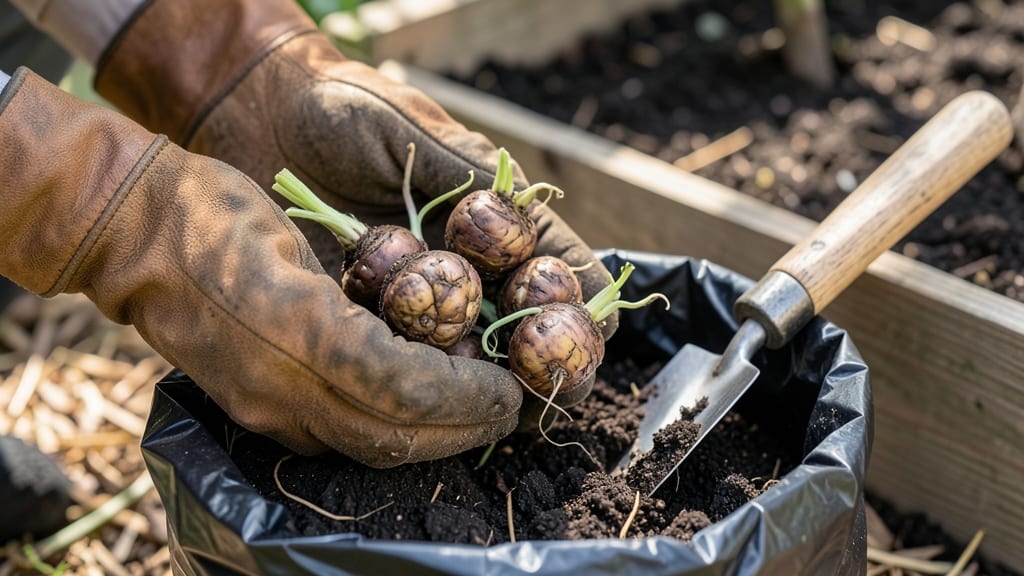
Planting dahlias in Missouri can make or break your summer blooms—and getting the timing right is the key to avoiding frost damage while maximizing those show-stopping 🌸 flowers. The wrong window means wasted tubers or stunted growth, but with Missouri’s unpredictable spring, even experienced gardeners hesitate.
Here’s the exact planting timeline you need to ensure your dahlias emerge strong and thrive from July through October.
Missouri’s USDA zones 5b-6b give you a narrow but critical window: mid-April to mid-May, once soil temperatures hit 60°F and the last frost has passed.
That April 15 average last-frost date is your deadline—plant too early, and a late freeze will kill your tubers; too late, and you’ll miss peak bloom season. I’ll break down the best strategies to time your planting perfectly, whether you’re starting tubers indoors or planting directly in the ground.
Why does this matter? Dahlias in Missouri face unique challenges—humidity, late frosts, and heavy clay soil—that demand precise preparation. The right timing isn’t just about dates; it’s about soil prep, tuber hardening, and knowing when to protect your plants from unexpected cold snaps.
Let’s dive into the step-by-step plan that’s worked for Missouri gardeners year after year, so you can enjoy a garden bursting with color from midsummer to fall.
From choosing the right varieties for your region to adjusting for microclimates (like the Ozarks vs. St. Louis), this guide covers everything you need to plant with confidence.
Whether you’re a first-time gardener or a seasoned pro, these tips will help you avoid common pitfalls and get the most out of your dahlias. Ready to transform your garden? Let’s get started.
Missouri’s ideal dahlias planting timeline: frost-free dates by region
Missouri’s climate varies dramatically from the humid southeast to the cooler Ozarks, making a one-size-fits-all planting date impossible for dahlias. The key is aligning your planting with your local last frost date and soil temperature.
Most Missouri regions fall in USDA zones 5b-6b, but microclimates can shift planting windows by 2-3 weeks. Let’s break it down by region so you can plant with confidence.
For St. Louis and central Missouri, the average last frost date is around April 15, but soil may not warm enough for dahlias until mid-April to early May.
In Kansas City and northwest Missouri, frost lingers slightly longer, with safer planting dates in late April to early May. Meanwhile, the southeast corner (like Cape Girardeau) often sees frost-free conditions by mid-April, allowing earlier planting.
The Ozarks (Springfield, Branson, and west-central Missouri) have cooler springs, so wait until late April to early May when soil reaches 60°F. Cold soil can stunt root growth, so always check with a soil thermometer—dahlias need warmth to thrive.
If your soil is still chilly, consider using black plastic mulch to warm it faster.
Here’s a quick reference for Missouri’s regional planting windows, including soil temperature and frost risk:
| Region | Last Frost Date | Ideal Planting Window | Soil Temp Requirement | Frost Risk After Planting |
|---|---|---|---|---|
| St. Louis/Central MO | April 15 | Mid-April to early May | 60°F+ | Low (use row covers if needed) |
| Kansas City/NW MO | April 22 | Late April to early May | 60°F+ | Moderate (watch for late frosts) |
| Southeast MO (Cape Girardeau) | April 10 | Mid-April | 60°F+ | Very low |
| Ozarks (Springfield/Branson) | April 25 | Late April to early May | 60°F+ | Moderate (higher elevation = cooler) |
If you’re unsure about your local frost date, use the Missouri State Climatologist’s frost prediction tool or check with your local Cooperative Extension office. For extra safety, plant 2-3 weeks after the average last frost date—dahlias are frost-sensitive and won’t survive even light freezes.
Missouri’s humid summers mean dahlias planted too late may struggle with powdery mildew or root rot, so aim to get them in the ground by mid-May at the latest.
Early planting also gives your tubers time to establish roots before the heat of July and August, ensuring bigger, healthier blooms.
Pro tip: If you’re in a cooler microclimate (like shaded areas or higher elevations), consider starting tubers indoors in late March and transplanting after the last frost. This gives you a 2-3 week head start on the season.
Once your dahlias are in the ground, focus on consistent moisture and well-draining soil to prevent rot. Missouri’s clay-heavy soil can be tricky, so amend with compost or sand before planting. With the right timing, your dahlias will reward you with vibrant blooms from July through October.
Don’t wait until the last minute—mark your calendar now for your region’s ideal planting window and get ready to enjoy Missouri’s most stunning summer flowers! 🌸
How to prepare dahlias for Missouri’s unpredictable spring weather
Missouri’s spring weather can be as unpredictable as a whirlwind—one day sunny and warm, the next with a surprise frost. To give your dahlias the best shot at thriving, you’ll need to prepare tubers properly, amend clay-heavy soil, and protect them from late frosts.
I’ve planted dahlias in Missouri for years, and these steps have saved my blooms from frost damage and poor growth. Let’s dive into the essential prep work before you even think about planting.
First, inspect and prep your dahlia tubers over winter. Store them in a cool, dry place (around 40-50°F) with minimal light. In late February, check for soft spots or mold—discard any damaged tubers.
Cut back the stems to 2-3 inches above the tuber and let them dry for a day. This reduces rot risk and jumpstarts their growth cycle when you’re ready to plant.
🌱 Critical Pre-Planting Tasks
- ✅ Inspect tubers for rot/mold in late February.
- ✅ Cut stems to 2-3 inches above tuber.
- ✅ Soak tubers in fungicide (1:10 ratio) for 30 mins.
- ✅ Amend soil with compost and perlite (Missouri’s clay needs aeration).
- ✅ Hardening off tubers for 1 week before planting.
- ✅ Test soil pH (aim for 6.0-7.0).
- ✅ Prepare frost cloth for late-spring protection.
Missouri’s heavy clay soil can suffocate dahlia roots if not amended properly. Before planting, mix in 2-3 inches of compost and 1 inch of perlite or sand to improve drainage. A soil test is worth the investment—aim for a pH between 6.0 and 7.0.
If your soil is too acidic, add lime (2-4 lbs per 100 sq ft) a month before planting. Well-drained soil prevents root rot, which is a common killer of dahlias in humid Missouri summers.
If you’re planting in early May (common in northern Missouri), you’ll need to harden off your tubers for at least a week. Place them in a shady, outdoor spot during the day and bring them back inside at night.
This gradual exposure to cooler temperatures and sunlight mimics natural conditions and reduces transplant shock. Skip this step, and your dahlias might struggle to adapt, leading to stunted growth or even death.
Missouri’s late spring frosts (even in May!) can devastate newly planted dahlias. To protect your investment, keep frost cloth or row covers on hand. If frost is forecasted within 2-3 weeks of planting, cover your dahlias with lightweight row fabric secured with bricks or stakes.
For extra insurance, plant in a sheltered spot, like near a south-facing fence or under a small trellis that breaks wind.
Finally, mulch heavily after planting to regulate soil temperature and retain moisture. Use straw or shredded leaves (3-4 inches deep) to keep roots cool during hot Missouri summers. Avoid synthetic mulches—they can trap too much heat and encourage fungal diseases.
With these prep steps, your dahlias will emerge stronger, faster, and with fewer setbacks than if you planted them straight from storage.