
Plants
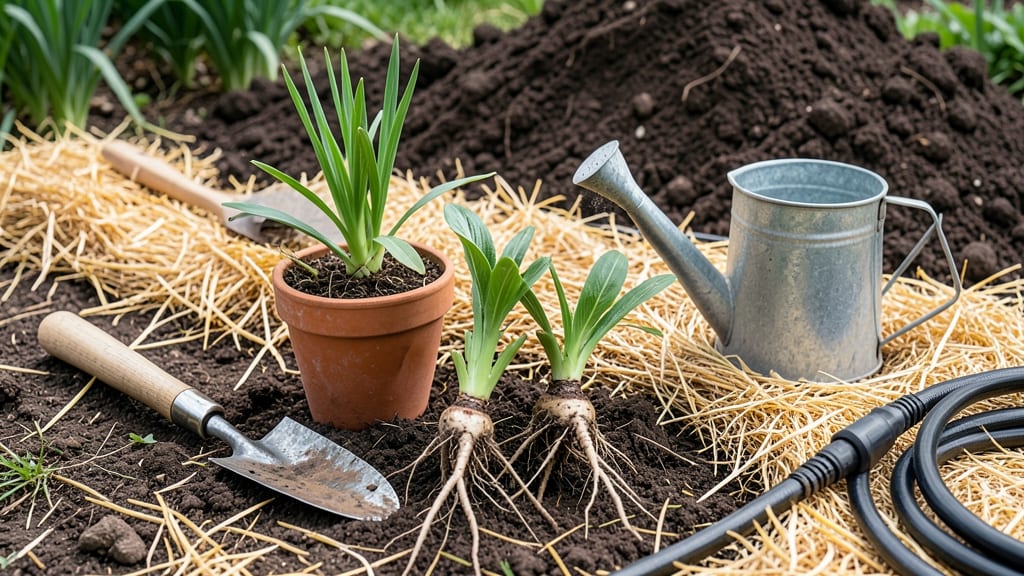
Optimal planting windows for Georgia daylilies (Zone 8 guide)
Georgia’s Zone 8 climate gives you two prime windows to plant daylilies: early spring and early fall. These timings let roots establish before summer heat or winter frosts stress young plants. I’ve planted mine in both seasons—spring for quick blooms and fall for stronger root systems.
The last average frost date in Georgia is around March 15, but northern regions (like Zone 7b) may experience late frosts until April 1. Southern Georgia (Zone 8b) can plant as early as February 15 with minimal frost risk. Always check your local frost-free dates for precision.
For fall planting, aim for September to early October. This gives roots 6–8 weeks to settle before winter dormancy. I’ve seen daylilies planted in late October struggle with transplant shock, so don’t wait too long. Soil temperatures should stay above 55°F (13°C) for best root growth.
Daylilies thrive when planted in well-draining soil with a slightly acidic to neutral pH (6.0–7.0). Georgia’s clay-heavy soils often need amendments like compost or sand to improve drainage. I test my soil annually—it’s saved me from root rot disasters!
| Season | Best Months | Soil Temp | Key Consideration |
|---|---|---|---|
| Spring | March–April | 50–65°F (10–18°C) | Plant after last frost; faster bloom time |
| Fall | September–October | 60–70°F (15–21°C) | Stronger root establishment before winter |
| Avoid | May–August | N/A | Extreme heat stress; poor root growth |
If you’re planting daylily divisions (the most common method), dig a hole twice as wide as the root ball but only 1–2 inches deep. The crown (where roots meet leaves) should sit at soil level—burying it too deep causes rot, while planting too high leads to weak stems.
I mark my planting depth with a small stake to avoid mistakes.
For container planting, use pots with drainage holes and a fast-draining mix (60% potting soil, 30% perlite, 10% compost). Containers dry out faster, so water every 5–7 days in summer. I’ve grown daylilies in 12-inch pots successfully, but larger containers (18+ inches) support bigger varieties like ‘Happy Returns’.
Northern Georgia’s higher elevations (Zone 7b) face slightly cooler temps, so I plant daylilies 2 weeks later than southern regions. Use black plastic mulch in early spring to warm soil faster—it’s a game-changer for cold snaps. Always monitor your local weather forecasts for unexpected frost advisories.
After planting, water deeply to settle soil and remove air pockets. Mulch with 2–3 inches of shredded bark to retain moisture and regulate temps. I’ve noticed daylilies planted in fall with mulch bloom 2–3 weeks earlier than spring-planted ones—proof that root health matters more than speed!
Daylilies are perennials, so proper timing now means decades of blooms with minimal care. Whether you choose spring or fall, focus on soil prep and frost-free windows. My 2018 plantings are now thriving clumps—proof that patience pays off in Georgia’s garden! 🌸
Optimal planting windows for Georgia daylilies (Zone 8 guide)
Georgia’s Zone 8 climate gives daylilies a head start, but timing still matters. The best planting windows are early spring (March–April) and early fall (September–October). These periods let roots establish before summer heat or winter chills stress young plants.
Spring planting aligns with soil warming after Georgia’s last frost (usually mid-March). Fall planting, however, offers a 6–8 week root establishment before dormancy, reducing transplant shock. Both windows avoid the peak heat of summer or winter’s light frosts.
🌱 Georgia Daylily Planting Comparison
| Season | Best Months | Soil Temp | Key Advantage |
|---|---|---|---|
| Spring | March–April | 55–65°F | Rapid root growth before summer |
| Fall | September–October | 60–70°F | Avoids summer heat stress |
For northern Georgia (Zone 7b), aim for late March to April in spring, as frosts linger slightly longer. In southern Georgia (Zone 8b), you can plant as early as February in spring or extend fall planting to early November.
Use a soil thermometer to confirm 55°F+ soil temps before planting. Cooler soils delay root growth, leaving plants vulnerable to winter dieback. Amend clay-heavy Georgia soils with compost to improve drainage and warmth retention.
Divisions and tubers establish faster than seeds, so prioritize these for Georgia’s short growing season. If planting seeds, start them indoors 8–10 weeks before last frost (mid-January for Zone 7b, late January for Zone 8b).
Pro tip: Mark your planting dates on a garden calendar. Georgia’s unpredictable late-spring frosts can still occur in April, so have a frost cloth ready for early spring plantings.