
Plants
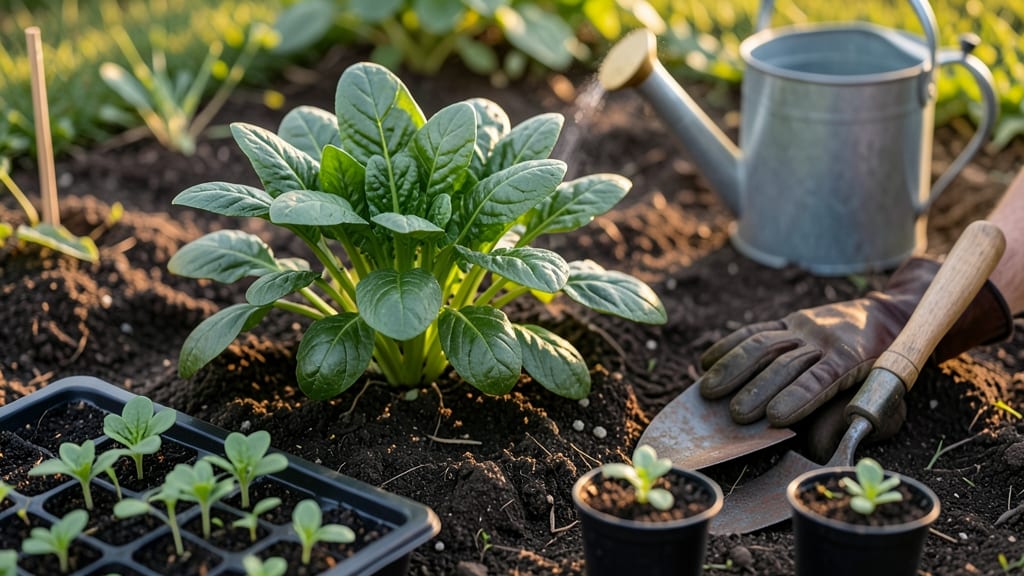
Timing your fall spinach planting in Zone 6 can mean the difference between a crisp, sweet harvest and bitter disappointment. The key isn't just throwing seeds in the ground—it's understanding the 4-6 week window before your first frost that transforms your garden into a leafy green goldmine.
I’ve learned the hard way that planting too early in Zone 6’s summer heat sends spinach bolting before it even matures. But get the timing right, and you’ll enjoy fresh 🌱 harvests straight through late fall—when most gardeners are already packing up for winter.
The secret lies in those exact weeks before frost, when soil stays cool enough for tender leaves to thrive.
What you’ll discover here is exactly when to sow seeds for a reliable harvest, plus pro tips for soil prep and spacing that prevent common pitfalls.
Whether you’re a first-time gardener or a seasoned green thumb, these strategies will help you grow spinach that’s sweeter, more abundant, and perfectly timed for your Zone 6 climate.
Let’s dive into the precise planting schedule that’ll have you harvesting crisp, homegrown spinach just as the weather turns crisp—no guesswork required.
Optimal planting windows for fall spinach in Zone 6: exact weeks before frost
Getting your fall spinach timing right in Zone 6 means the difference between tender, sweet harvests and bitter, bolted disappointment. The key is planting 4-6 weeks before your first frost, but with Zone 6’s variable climate, flexibility is crucial.
Most gardeners in this zone aim for late July to early September sowings to avoid summer heat stress while ensuring mature plants before winter sets in.
Your first frost date in Zone 6 typically falls between mid-October and mid-November, depending on your exact location. For a reliable harvest, count backward 30-50 days (spinach’s maturity range) from that date.
For example, if frost hits November 15, your last planting window would be early to mid-September for quick-maturing varieties like 'Tyee' or 'Corvair'.
Soil temperature plays a hidden role—spinach germinates best when soil stays below 75°F. If your summer stretches into 90°F+ heat, wait until late July to avoid seedling stress. A simple soil thermometer (just $10) can save you from wasted efforts.
For extended harvests, many gardeners use succession planting: sow half your seeds in late July and the rest in early August. This staggered approach ensures fresh spinach from October through December, even if early plantings bolt from warm fall days.
| Planting Window | Weeks Before Frost | Best Varieties | Notes |
|---|---|---|---|
| Late July | 8-10 weeks | 'Bloomsdale Long Standing' | Early harvest; avoid summer heat |
| Early August | 6-8 weeks | 'Tyee' or 'Space' | Balanced timing for cool weather |
| Mid-August | 4-6 weeks | 'Corvair' | Fastest maturity; last chance harvest |
| Early September | 2-4 weeks | 'Winter Bloomsdale' | Cold-hardy; risk of bolting if warm |
Don’t overlook microclimates in your garden. South-facing beds warm up faster and may need earlier plantings than north-facing spots. If your yard has shady areas, those can actually be ideal for late-September sowings, as cooler soils delay bolting.
For container growing, adjust your timeline slightly earlier—pots heat up faster and dry out quicker. Start container spinach in early August and move to a sheltered location (like a garage or cold frame) when nights dip below 40°F to protect tender leaves.
Test your soil’s pH level before planting—spinach thrives in 6.5-7.0 pH. If your soil tests acidic (<6.0), amend with lime 4-6 weeks before sowing. A simple home pH test kit (under $15) prevents wasted effort on poor-growing plants.
Once you’ve locked in your planting dates, direct sow seeds ½ inch deep and 1 inch apart, thinning to 4 inches between plants. Use a row cover or shade cloth in late summer to protect seedlings from deer and birds, which love young spinach shoots.
After germination (typically 5-10 days in cool soil), keep soil consistently moist but never soggy. Mulch with straw to retain moisture and suppress weeds—this is especially critical in Zone 6’s dry fall spells.
With these precise timing strategies, you’ll enjoy crisp, sweet spinach straight through winter, even in Zone 6’s chillier months. The secret? Plan backward from frost, choose cold-hardy varieties, and adjust for your microclimate. Happy planting! 🌱
Optimal planting windows for fall spinach in Zone 6: exact weeks before frost
In Zone 6, timing your fall spinach planting is crucial to avoid bitter leaves or bolting. The sweet spot is 4-6 weeks before the first frost, which typically lands between mid-August and early September.
This window ensures your spinach matures before winter sets in but escapes the heat that triggers early bolting.
For Zone 6a (colder microclimates), aim for late August plantings, while Zone 6b gardeners can extend sowing until early September. Check your local last frost date—most Zone 6 areas experience it around November 15, so count backward for precise timing.
Spinach varieties like 'Bloomsdale Long Standing' or 'Tyee' are excellent choices for fall. These cold-hardy types tolerate light frosts (20°F) and deliver tender leaves even in chilly weather. Always select slow-bolting varieties to maximize your harvest window.
| Planting Window | Weeks Before Frost | Ideal Variety | Harvest Timeline |
|---|---|---|---|
| Late August | 6 weeks | 'Bloomsdale Long Standing' | October - November |
| Early September | 5 weeks | 'Tyee' | Late October - December |
| Mid-September | 4 weeks | 'Giant Winter' | November - Early Winter |
To extend your harvest, consider succession planting every 2 weeks starting in early August. This staggered approach ensures a continuous supply of fresh spinach until the ground freezes. Just be mindful of soil temperatures—spinach germinates best when soil stays below 75°F.
For container gardening, use 5-gallon pots with well-draining soil. Plant seeds ½ inch deep and space them 4-6 inches apart to prevent overcrowding. Containers warm up faster than garden beds, so monitor soil moisture closely during hot spells.
Pro tip: Mulch with straw or shredded leaves after planting to retain moisture and suppress weeds. This simple step can mean the difference between thriving spinach and stunted growth during Zone 6's unpredictable fall weather. 🌱