
Flowers
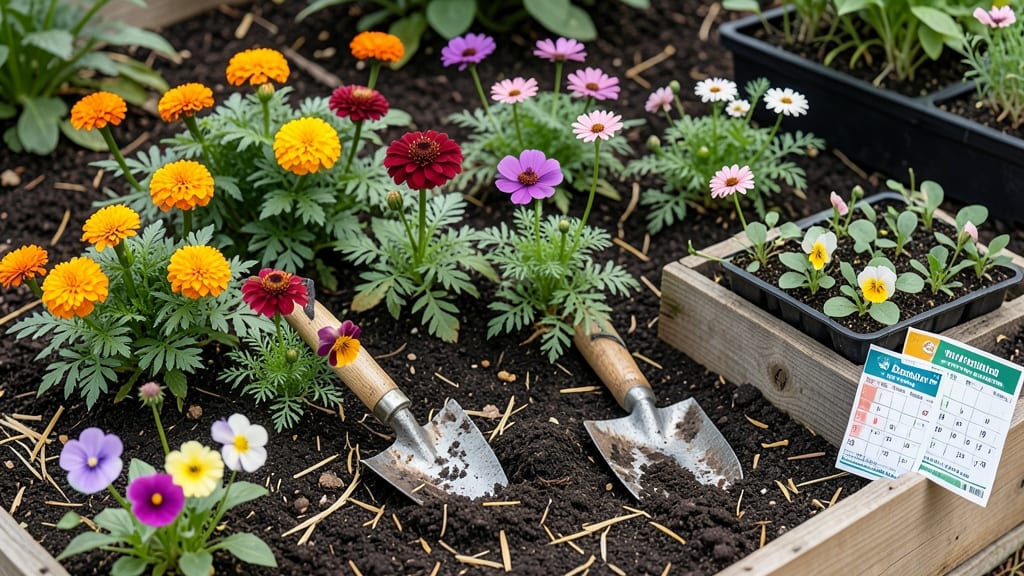
Timing your flower seeds planting in Illinois can mean the difference between a vibrant garden and a frost-killed disappointment. With Zone 5-6 weather patterns, knowing exactly when to sow is the key to avoiding those late-spring surprises that leave your 🌸 dreams wilting before they even begin.
Most Illinois gardeners know the general rule—wait until after the last frost—but the real secret lies in understanding regional variations and flower types. Whether you're planting sun-loving annuals or hardy perennials, getting the timing right ensures stronger roots and better blooms.
Let me show you exactly when to start seeds indoors and when to plant directly outside for maximum success.
This isn't just about avoiding frost—it's about working with Illinois' unique climate to extend your blooming season. From early spring starts to late-summer sowings, we'll cover the perfect windows for every type of flower.
Ready to transform your garden into a year-round paradise? Let's dive into the science-backed schedule that'll have your flowers thriving from March through October.
You'll discover how to adjust for northern vs. southern Illinois, which flowers handle cooler temperatures best, and even how to push your planting season earlier or later with simple tricks. No more guessing—just confident, beautiful blooms all season long.
Illinois flower seed planting calendar by last frost dates (Zone 5-6)
Illinois’ Zone 5-6 climate means frost can linger until mid-April in northern regions, while southern areas may see last frosts by early April. Timing your flower seed planting after these dates ensures zero-frost success for most annuals and tender perennials.
For cold-hardy flowers, like snapdragons or lupines, you can start seeds 4-6 weeks before the last frost date—even in March—using row covers or cold frames. This early start gives them a head start on the growing season.
Southern Illinois gardeners (closer to Zone 6) have a slightly longer window. They can begin direct sowing as early as late February for frost-resistant varieties, while northern gardeners should wait until mid-April.
Here’s a seasonal breakdown of when to plant flower seeds in Illinois, including regional adjustments and whether to start indoors or sow directly:
For northern Illinois (e.g., Chicago area), aim for mid-May as the safest direct-sowing date. Southern Illinois gardeners can push this to early April for heat-loving flowers like lantana or portulaca.
Pro tip: Use a soil thermometer to confirm soil temperatures are 50°F+ before planting seeds. Cool soils delay germination, so wait for consistent warmth.
If you’re succession planting for continuous blooms, sow every 2-3 weeks from May through July. This ensures fresh flowers all summer long without gaps.
For perennials, like coneflowers or black-eyed Susans, plant seeds in early spring or late summer. These hardy plants establish roots better with a longer growing season ahead.
Always check your local almanac for micro-climate variations, especially if you’re in a urban heat island or near large bodies of water. These areas can have earlier last frosts or later first frosts.
With this Zone 5-6 planting calendar, you’ll avoid frost damage and maximize your blooming season from spring to fall. Happy planting! 🌸
Illinois flower seed planting calendar by last frost dates (Zone 5-6)
Illinois’ Zone 5-6 climate means your flower seeds must dodge late frosts while racing to bloom before summer’s heat. Northern Illinois (like Chicago) typically sees its last frost around April 15, while southern Illinois (St. Louis area) averages April 1-15.
Plan accordingly—these dates mark your planting deadline for frost-sensitive annuals.
For cold-hardy flowers like snapdragons or pansies, you can start seeds indoors 6-8 weeks before your last frost date. This gives them a head start before transplanting outdoors. Southern Illinois gardeners gain an extra 1-2 weeks of planting time compared to northern regions.
Direct sowing outdoors should begin 2-4 weeks after your last frost date. This timing ensures soil temperatures reach the 50-60°F range—ideal for germination. Use a soil thermometer to check; most flower seeds need consistent warmth to sprout reliably.
| Season | Planting Window | Flowers to Plant | Notes |
|---|---|---|---|
| Early Spring (Feb-Mar) | Indoors (6-8 wks before last frost) | Pansies, Snapdragons, Calendula | Cold-hardy; transplant after frost |
| Late Spring (Apr-May) | Outdoors (after last frost) | Marigolds, Zinnias, Sunflowers | Warm-season lovers; soil >50°F |
| Summer (Jun-Jul) | Direct sow or succession plant | Cosmos, Nasturtiums, Basil Flowers | Heat-tolerant; extend season |
| Fall (Aug-Sept) | 6-8 wks before first frost | Sweet Alyssum, Stock, Larkspur | Bloom before winter; frost-resistant |
Don’t overlook fall planting—many flowers thrive when sown in August-September for autumn blooms. These late-season flowers (like cosmos) often produce longer-lasting blooms than spring-planted varieties. Just ensure they’re in the ground 6-8 weeks before your first frost (typically mid-October).
Use row covers or frost cloths to extend your planting window by 2-3 weeks in spring or fall. These protective layers shield seedlings from light frosts (28-32°F), letting you plant earlier or later. For example, marigolds can handle 32°F with protection, while petunias need 50°F+ soil to germinate.
Pro tip: Keep a gardening journal to track your local frost dates—Illinois’ climate shifts yearly. Adjust your planting schedule by 1-2 weeks if your area experiences an early or late frost. With the right timing, your garden will burst with color from spring to frost! 🌸