
Trees
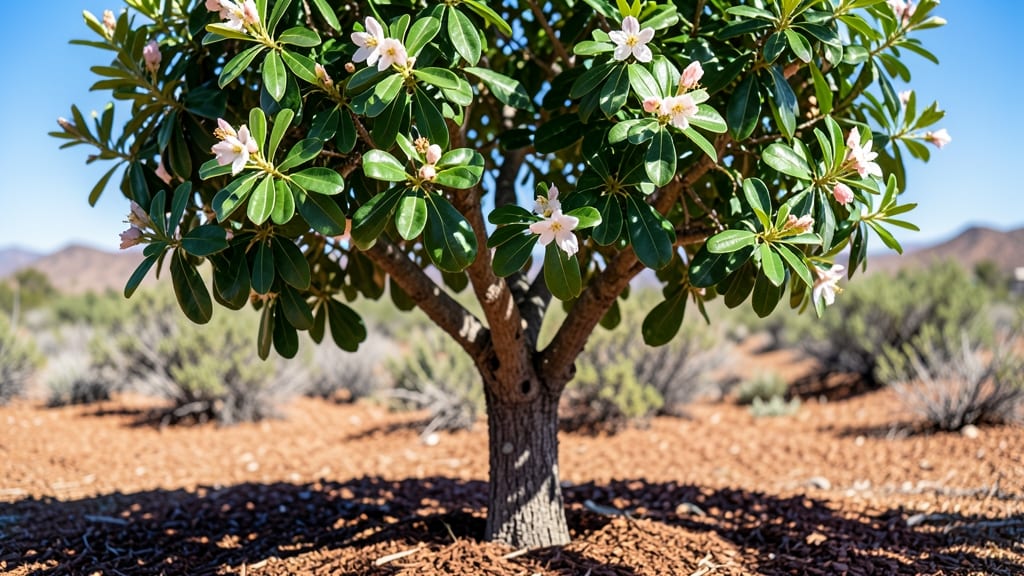
Timing is everything when it comes to planting fruit trees in Arizona—get it wrong, and your 🍎 saplings could wilt before they even take root.
Unlike cooler climates, Arizona’s desert heat means summer planting is a recipe for disaster, but the right window can mean the difference between a thriving orchard and a sad investment.
The key is planting during Arizona’s cooler months, specifically from November through March, when temperatures are mild and the risk of transplant shock drops dramatically.
Whether you’re growing citrus, figs, or stone fruits, this window gives your trees the best chance to establish strong roots before summer’s brutal heat arrives.
But not all fruit trees are created equal—citrus varieties like oranges and lemons can handle the desert year-round, while peaches and plums need extra care during Arizona’s brief cool spells.
I’ll break down the exact months for each type, plus pro tips for soil prep and watering that’ll keep your trees happy for decades.
Ready to turn your backyard into a productive orchard? Let’s dive into the perfect planting schedule for Arizona’s unique climate zones and the heat-resistant varieties that’ll reward you with fruit for years to come.
Best months to plant fruit trees in Arizona by climate zone
Arizona’s diverse climate zones—from the scorching Low Desert of Phoenix to the cooler High Desert of Flagstaff—dictate the perfect planting windows for fruit trees. In the Low Desert (Zones 9b-11), where summer temps soar past 110°F, planting during the cooler months (November–March) is critical to avoid transplant shock.
Meanwhile, the High Desert (Zones 7a-8a) experiences milder summers but still requires timing to escape late-spring frost risks. Let’s break down the ideal months for each zone and the best heat-resistant varieties to plant.
For the Low Desert, my top recommendation is to plant between November and February. This window ensures your trees establish roots before the intense summer heat arrives. Varieties like Mexican lime, pomegranate, and desert fig thrive here once established.
In the High Desert, extend your planting window slightly later—March through early May—to avoid late frosts that can damage young trees. Native varieties like persimmon and apricot are excellent choices for this region.
Transition zones (e.g., Prescott, Sedona) blend characteristics of both deserts, so I recommend planting in late November through January to balance frost risk and heat stress. These areas can support a wider range of fruit trees, including peaches, plums, and loquats, if you time it right.
🌱
| Climate Zone | Best Planting Months | Key Varieties | Soil Prep Tip |
|---|---|---|---|
| Low Desert (Phoenix, Tucson) | November–February | Mexican lime, pomegranate, desert fig | Amend with compost; improve drainage |
| High Desert (Flagstaff, Prescott) | March–May | Persimmon, apricot, peach | Test pH (6.0–7.0); add organic matter |
| Transition Zones (Sedona, Yuma) | Late November–January | Loquat, plum, Texas ebony | Mulch heavily to retain moisture |
When planting, I always prioritize soil preparation to ensure success. In Arizona’s alkaline soils, amend with compost or peat moss to improve structure and moisture retention. For Low Desert areas, focus on drainage—citrus trees hate soggy roots!
In the High Desert, where soils can be rocky, I recommend adding organic mulch (like wood chips) to protect roots from temperature swings. Always water deeply after planting to encourage root growth before the heat sets in.
Another critical factor is microclimates. Even within a single city, your backyard’s exposure matters. A south-facing slope in Phoenix might be 10°F warmer than a shaded north side, affecting planting timing. I’ve seen citrus trees thrive in sheltered microclimates where they’d otherwise struggle.
Use this to your advantage—plant heat-lovers like date palms in sunny spots and figs in slightly shaded areas for better survival rates.
For container planting, the rules shift slightly. Potted fruit trees can be planted year-round in mild winters, but I still recommend November–March to avoid stress. Use large containers (20+ gallons) with drainage holes and a well-draining potting mix.
Move containers to shaded areas during peak summer to prevent root burn. Varieties like dwarf citrus or miniature peaches are perfect for containers and can be brought indoors during extreme heat if needed.
One mistake I see often is planting too late in the season. For example, planting stone fruits (peaches, plums) in April in the Low Desert can lead to transplant shock as summer heat ramps up.
These trees need 6–8 weeks to establish roots before temperatures exceed 90°F. Always check the last frost date for your area (even in frost-free zones, late frosts can occur in higher elevations) and plant accordingly.
Finally, consider mulching as a non-negotiable step. A 3–4 inch layer of mulch around your tree’s base retains moisture, regulates soil temperature, and suppresses weeds. I use straw or wood chips for most fruit trees, but avoid piling mulch against the trunk to prevent rot.
In the first year, mulch is your best defense against Arizona’s extreme temperature swings—daytime heat and nighttime cool can stress young trees if not managed properly.
☀️
Heat-resistant fruit trees that thrive in Arizona’s summer
Arizona’s extreme heat can turn fruit tree planting into a gamble, but the right varieties turn that risk into a reward. Heat-resistant fruit trees like citrus, figs, and pomegranates not only survive but thrive in our 100°F+ summers.
These trees have deep root systems and waxy leaves to conserve moisture, making them perfect for desert gardens.
When selecting trees, prioritize native or adapted varieties such as desert willow, Texas ebony, or loquat. These plants have evolved to handle Arizona’s low humidity and intense sunlight. Even non-native trees like peaches and plums can succeed if planted in microclimates with afternoon shade during peak heat.
🌱 Pro Tip: Always pair heat-resistant trees with 3-4 inches of mulch to lock in moisture and regulate soil temperature. Organic mulches like wood chips or straw work best.
Top 10 Heat-Resistant Fruit Trees for Arizona
-
🍊 Citrus (Oranges, Lemons, Limes)
Thrives year-round; needs consistent water -
🍇 Figs (Brown Turkey, Chicago Hardy)
Drought-tolerant; produces fruit in extreme heat -
🍑 Pomegranates (Wonderful, Eversweet)
Deep roots; handles poor soil and drought -
🍈 Persimmons (Fuyu, Hachiya)
Tolerates heat and cold snaps; low-maintenance
-
🍐 Peaches (Elberta, Redhaven)
Plant in cooler microclimates; needs afternoon shade -
🍑 Plums (Santa Rosa, Methley)
Adapts well to heat; prune for airflow -
🍈 Loquats (Big Jim, Golden Nugget)
Fast-growing; tolerates urban pollution -
🌿 Desert Willow (Chilopsis linearis)
Not edible but provides shade; drought-proof -
🍎 Apples (Dorsett Golden, Ein Shemer)
Best in high desert; needs cross-pollination
For watering strategies, focus on deep, infrequent watering to encourage deep root growth. Most heat-resistant trees need 15-30 gallons per week during peak summer, but figs and pomegranates can survive with as little as 10 gallons weekly once established. Always water in the early morning to prevent evaporation.
💧 Watering Hack: Use drip irrigation or soaker hoses to deliver water directly to the root zone. This method reduces waste and keeps leaves dry, minimizing fungal risks like powdery mildew.
Finally, prune heat-stressed trees in late winter to remove dead wood and improve airflow. Avoid heavy pruning during summer, as it stresses the tree further. With the right variety and care, your Arizona orchard can produce juicy fruit even in 110°F heat!