
Trees
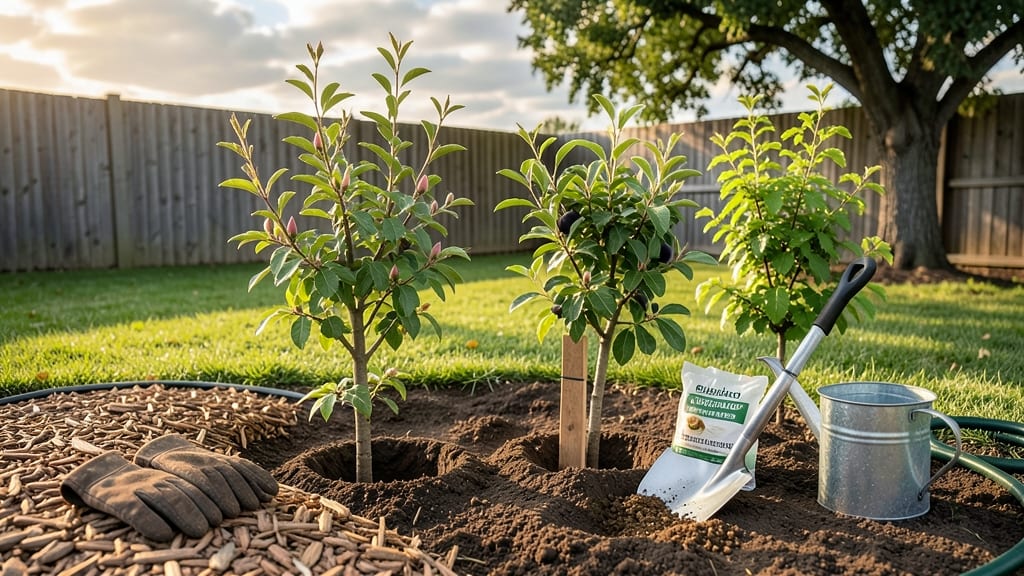
Timing your fruit tree planting in Northern California isn't just about the calendar—it's about matching your 🍎🍐🍑 to your microclimate's chill hours and frost-free windows. One wrong move, and you could end up with trees that either fail to fruit or get wiped out by late-season cold snaps.
Let me show you how to avoid those costly mistakes. Whether you're in the coastal fog belt or the hotter inland valleys, knowing when to plant—like late winter for bare-root trees or early spring for container-grown varieties—makes all the difference.
We'll break down the science behind chill hours and how to use frost date calculators to pinpoint your exact planting window.
You'll discover which fruit trees thrive in your specific USDA zone, from peaches that need 400-600 chill hours to citrus that barely tolerates any cold at all. I'll also share pro tips for soil prep, watering schedules, and frost protection that actually work in California's unpredictable climate.
By the end, you'll have a clear, actionable plan to plant your fruit trees at the perfect moment—so you can enjoy homegrown harvests for years to come without the guesswork.
Northern California planting zones by chill hours: matching trees to microclimates
Northern California’s diverse climate—from coastal fog belts to inland valleys—means chill hours vary dramatically. A peach tree in Sacramento (USDA Zone 9a) needs 300-500 chill hours, while the same tree in San Francisco (Zone 9b) may struggle with only 200 chill hours.
Matching your fruit tree variety to your local chill hours is the secret to avoiding bloom failure and poor fruit set.
Use the UC Davis Chill Hour Calculator (available online) to pinpoint your exact chill hours.
Most stone fruits (peaches, plums, cherries) require 300-700 chill hours, while apples and pears thrive with 500-1,000 chill hours. Citrus trees, on the other hand, prefer 0-200 chill hours—ideal for coastal areas like Santa Cruz or San Diego.
The summary table below breaks down USDA zones 7b-10a in Northern California, listing chill-hour requirements for popular fruit trees and where they’ll thrive. For example, ‘El Dorado’ peaches (400-500 chill hours) are perfect for the Central Valley, while ‘Bonanza’ peaches (200-300 chill hours) suit coastal regions.
| USDA Zone | Chill Hours | Best Fruit Trees | Notes |
|---|---|---|---|
| 7b (Coastal Foothills) | 600-1,000 | Apples, Pears, Cherries | High elevation areas like Lake Tahoe or Napa Valley foothills. |
| 8a (Central Valley) | 400-600 | Peaches, Plums, Nectarines | Ideal for Sacramento and Stockton. |
| 8b (Bay Area) | 300-400 | Low-Chill Peaches, Plums, Apricots | Avoid standard apple varieties—opt for ‘Anna’ apple (300 chill hours). |
| 9a (Inland Valleys) | 200-300 | Citrus, Figs, Pomegranates | Perfect for Fresno or Bakersfield. |
| 9b-10a (Coastal) | 0-200 | Citrus, Olives, Subtropical Trees | No stone fruits—stick to lemon or orange trees. |
If you’re in a transition zone (e.g., Santa Rosa with 350 chill hours), choose low-chill varieties like ‘Redhaven’ peaches (300-400 chill hours) or ‘Sierra Beauty’ plums (350-450 chill hours). For high-chill zones (e.g., Chico with 700+ chill hours), ‘Fuji’ apples or ‘Bing’ cherries will reward you with abundant harvests.
Pro tip: Check the last frost date for your area using the National Weather Service or Almanac.com. In Northern California, coastal areas like San Francisco rarely see frost after February 15, while inland valleys like Modesto may experience frost until March 15.
Planting too early risks frost damage to new growth.
For citrus trees, timing is less critical since they hate frost. Plant container-grown trees in
Best planting months by fruit tree type: avoiding frost and heat stress
Northern California’s diverse microclimates mean your peach tree might thrive in February while your citrus needs spring planting. The key is matching chill-hour needs to your last frost date.
For most regions, late winter to early spring (February–April) is ideal, but coastal areas can plant earlier due to milder winters.
Stone fruits like peaches and nectarines need 300–700 chill hours and should go in the ground 4–6 weeks before last frost. In USDA Zone 9a (e.g., Sacramento), that’s February–March.
Pome fruits (apples, pears) with 500+ chill hours also fit this window, but delay until March–April in colder inland areas like Zone 7b.
Citrus and subtropical trees (e.g., pomegranates, figs) hate frost and should wait until after last frost—typically April in Zone 9a or May in Zone 8b. These trees thrive with container planting for flexibility, letting you move them indoors during unexpected cold snaps.
📅 Numbered Highlights: Planting by Tree Type
- Stone Fruits (Peaches, Nectarines, Plums): February–March (300–700 chill hours). Plant bare-root in late winter for fastest root growth.
- Pome Fruits (Apples, Pears): March–April (500+ chill hours). Wait until soil warms to 50°F to avoid root rot.
- Citrus & Subtropicals: April–May (0–200 chill hours). Use container growing for frost-prone areas.
- Avocados: Spring or Fall (Zone 9a–10a). Avoid summer heat stress by planting in cooler months.
- Olives: Fall (October–November) for dormant planting. Established trees handle drought but need well-draining soil.
Timing isn’t just about frost avoidance—it’s also about heat stress. Planting citrus in summer can shock roots, while stone fruits planted too early may suffer from late frosts.
Use the UC Master Gardener frost calculator to pinpoint your local last frost date—coastal areas like Santa Cruz often have 2–4 weeks earlier safe planting than inland Chico.
Pro tip: Bare-root trees planted in late winter establish roots before spring growth begins, giving them a 30% head start over container-grown trees. If you’re using container-grown stock, plant anytime except peak summer (June–August) when root systems struggle in 100°F+ soil.
For container-grown trees, amend soil with compost and mycorrhizal fungi to improve root establishment. Water deeply immediately after planting and mulch with wood chips to retain moisture. Drip irrigation set to 1–2 gallons per day for the first 2 weeks reduces transplant shock.
Remember, Northern California’s microclimates can vary by just miles. Check with your local agricultural extension (e.g., UC Cooperative Extension) for hyper-local advice. With the right timing, your fruit tree could bear harvest in as little as 2–3 years—just in time for summer picnics! 🍑🍎