
Plants
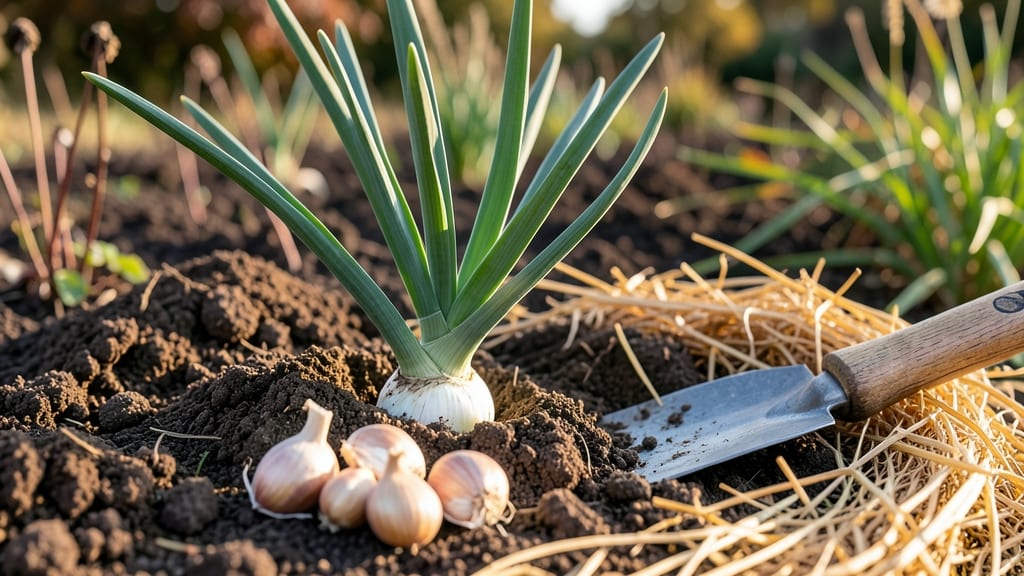
Timing your garlic planting in 6b could mean the difference between a bumper crop of flavorful bulbs and a disappointing harvest. In Zone 6b, where winters can be harsh and summers unpredictable, getting those cloves in the ground at the right moment is the key to success.
Most gardeners swear by fall planting—specifically between October and November—when soil temperatures drop but haven’t frozen solid. This gives garlic time to establish roots before winter dormancy, setting the stage for robust growth come spring.
But what if you miss that window? I’ll show you how to adjust for late starts or even spring planting, so you never miss a chance to grow your own 🧄.
You don’t need a green thumb or fancy equipment to nail this. With just a few simple steps—like checking soil temps, spacing cloves correctly, and knowing when to stop watering—you’ll be on your way to harvesting plump, papery-skinned bulbs by next summer.
Let’s break down the best months, soil prep tricks, and common mistakes that even experienced gardeners make.
Ready to grow garlic that rivals store-bought? I’ll walk you through everything you need to know, from the ideal planting timeline to how to tell when your harvest is ready. No more guesswork—just reliable, flavorful garlic straight from your garden.
Best months to plant garlic in Zone 6b for maximum yield
In USDA Zone 6b, where winters can be chilly but not extreme, timing your garlic planting is critical for developing those prized, flavorful bulbs. The ideal window is 4-6 weeks before the ground freezes, typically between mid-October and November.
This gives the cloves time to root before winter dormancy begins. For example, if your first hard frost hits around November 15, aim to plant by early October.
Why fall? Garlic thrives when it experiences cold winter temperatures (down to 20°F) to form bulbs. Planting in spring works too, but bulbs tend to be smaller and less flavorful compared to fall-planted varieties.
Zone 6b’s variable microclimates mean your exact dates may shift slightly—check local frost records to fine-tune your schedule.
If you miss the fall window, don’t panic! You can still plant in early spring (March to April), but expect smaller harvests. Spring-planted garlic matures faster, so it’s best for green garlic (harvesting the shoots) rather than full bulbs. For maximum yield, prioritize fall planting.
🌱
For Zone 6b gardeners, late fall planting (December) is possible if the ground remains unfrozen, but it’s a gamble. If temperatures drop below 32°F, cloves may heave out of the soil or rot.
To mitigate risks, plant hardneck varieties (like ‘German White’ or ‘Music’)—they handle cold better than softnecks.
Another key factor is moon phases. While not scientifically proven, many gardeners swear by planting garlic during the waning moon (after the full moon) for stronger roots. For Zone 6b, aim for the waning crescent moon in October—just another trick to maximize your harvest.
If you’re in a warmer microclimate within Zone 6b (like near a lake or urban heat island), you might push planting to early December. Conversely, in colder pockets, start by late September to avoid early frosts.
Always check your last frost date—Zone 6b’s average is November 15, but local variations exist.
🌿
To ensure your garlic thrives, pair planting with proper soil prep. Amend your beds with compost or aged manure to improve drainage, as garlic hates soggy soil.
A pH of 6.0–7.0 is ideal, and adding a low-nitrogen fertilizer (like 5-10-10) at planting time gives cloves the nutrients they need to establish roots before winter.
Finally, space cloves 4–6 inches apart in rows 12 inches apart. This prevents crowding and disease, ensuring each bulb has room to grow. In Zone 6b, where winters can be unpredictable, a thick layer of mulch (straw or leaves) protects cloves from freezing and thawing cycles.
✂️
Best months to plant garlic in Zone 6b for maximum yield
In Zone 6b, garlic thrives when planted in fall—specifically between October and November. This timing allows roots to establish before winter dormancy, while the bulbs mature over the following spring and summer.
The key is planting 4-6 weeks before the ground freezes, typically by November 15 in most of Zone 6b.
Spring planting is possible but riskier—cloves planted in March or early April may produce smaller bulbs.
The ideal window is narrow, so don’t wait until December or plant too early in September, as both can disrupt bulb development. Microclimates in Zone 6b (like sheltered valleys) may extend your planting window slightly, but frost dates remain the ultimate guide.
| Planting Window | Zone 6b Deadline | Soil Temp Threshold | Bulb Maturity Risk |
|---|---|---|---|
| Fall Planting (Oct-Nov) | By November 15 | 40-50°F (roots establish) | Low (optimal dormancy) |
| Spring Planting (Mar-Apr) | By April 1 | 50-60°F (sprouting) | High (smaller bulbs) |
| Late Fall (Dec) | Avoid (ground too cold) | Below 32°F (frozen) | Critical (root rot risk) |
For Zone 6b gardeners, I recommend testing soil temperatures with a soil thermometer—aim for 40-50°F at planting depth (2-3 inches). If your area experiences early frosts, adjust by planting 2-3 weeks earlier in October.
Hardneck varieties (like Music or German White) handle cold better than softnecks, so choose wisely for your climate.
Moon phases can influence planting, but frost dates are non-negotiable. Planting during a waxing moon (root growth phase) may help, but prioritize soil temps over lunar calendars.
In Zone 6b, the last frost typically arrives around April 15, so spring-planted garlic must sprout before then to avoid stunted growth.
Pro tip: Mark your garlic rows with stakes to track growth stages. In Zone 6b, bulbs need 90-120 days of cool weather to develop properly.
If you miss the fall window, spring-planted garlic can still work—but expect 30-50% smaller yields compared to fall planting. Don’t gamble with timing—this crop rewards precision!
Finally, mulch heavily after planting with straw or leaves to insulate bulbs through winter. This protects roots from freeze-thaw cycles, which can damage emerging shoots in early spring. With the right timing and care, your Zone 6b garlic will deliver bold flavor and impressive bulbs by next summer. 🌱