
Plants
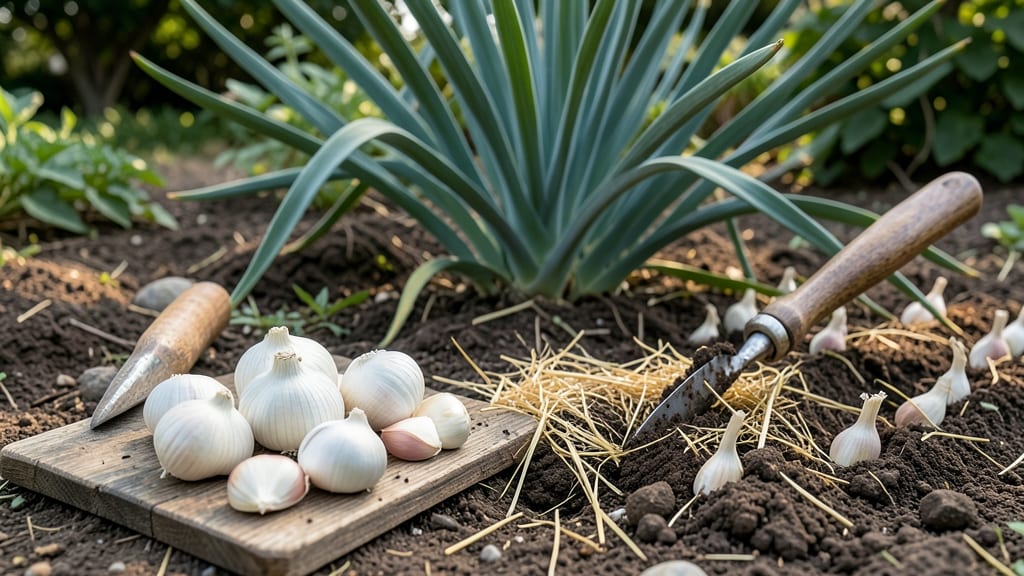
Timing your garlic planting in Seattle isn't just about following a calendar—it's about outsmarting the Pacific Northwest's wet, unpredictable fall. Plant too early, and your 🧄 might rot in the soggy soil; too late, and you risk bolting before harvest.
But with the right window, you can grow plump bulbs that rival store-bought—even in our chilly Zone 8a climate.
Most gardeners here swear by October through November as the sweet spot, but hardneck and softneck varieties have different needs. Hardnecks, like Rocambole, crave that cold snap to form robust bulbs, while softnecks prefer a gentler transition.
I'll break down exactly when to plant each type—and how to adjust if Seattle's weather throws you a curveball.
Don't let the rain or early frosts fool you. The key is watching soil temperatures (aim for 40–50°F) and planting 4–6 weeks before the ground freezes.
I'll share my foolproof method for preparing beds that drain well, even in our famously damp winters. Ready to grow garlic that'll make your neighbors jealous?
From mulching strategies to frost protection hacks, I've got the insider tips Seattle gardeners use to turn fall planting into a summer harvest. Let's dive into the exact steps that'll give you the best 🧄 yield this side of the Cascades.
Seattle’s ideal garlic planting window: hardneck vs softneck timing breakdown
Seattle’s cool, wet climate makes garlic planting a delicate balance—plant too early, and your cloves might rot; too late, and they’ll bolt before harvest. The key is understanding the 6-week window before your first hard frost (typically mid-October in Seattle’s USDA Zone 8a).
For most gardeners, this means October through early November is prime time for both hardneck and softneck varieties.
Hardneck garlic, like ‘German White’ or ‘Purple Stripe’, thrives in Seattle’s climate because it needs cold vernalization to form bulbs. Plant these 4-6 weeks before the ground freezes—usually between October 1st and November 15th.
Softneck varieties, such as ‘Artichoke’ or ‘Silverskin’, are more flexible but still benefit from a September-October planting to avoid winter stress.
Here’s the critical difference: Hardneck garlic must experience consistent cold temperatures (40–50°F) for at least 60 days to develop properly. Softneck garlic, while also cold-hardy, can tolerate slightly warmer soil conditions and may extend your planting window by 2-3 weeks later.
🌱
| Variety | Ideal Planting Window | Soil Temp Threshold | Key Notes for Seattle |
|---|---|---|---|
| Hardneck (e.g., 'German White') | October 1 – November 15 | 40–50°F (4–10°C) | Needs 60+ days of cold; plant 4-6 weeks before frost. |
| Softneck (e.g., 'Artichoke') | September 15 – November 1 | 45–55°F (7–13°C) | More flexible; can handle slightly warmer soil. |
| Both Varieties | Avoid planting after November 15 | N/A | Late planting risks bolting or poor bulb formation. |
To nail your planting timeline, monitor soil temperatures—not air temperatures. Use a soil thermometer to confirm the ground is below 50°F before planting. In Seattle’s urban areas, soil may stay warmer due to heat island effect, while rural or elevated sites cool faster.
Adjust your schedule accordingly: urban gardeners might push planting to early November, while rural areas should aim for mid-October.
Pro tip: If you’re unsure about frost dates, use the National Weather Service’s Seattle forecast or local gardening groups (like Puget Sound Gardening) for real-time updates. Planting 4 weeks early is better than 1 week late—garlic is forgiving but not infinite.
Once you’ve chosen your window, prepare your soil by amending it with compost or well-rotted manure to improve drainage—a critical factor in Seattle’s wet winters. Hardneck garlic, in particular, hates soggy soil, so raised beds or mounded rows are ideal for Seattle’s clay-heavy soils.
After planting, mulch heavily with straw or leaves (6–8 inches) to insulate bulbs during winter. This mulch layer also suppresses weeds and retains moisture, which is especially helpful in Seattle’s drizzly springs when garlic resumes growth.
🌿
5 Critical factors that determine your garlic’s success in Seattle’s climate
Seattle’s USDA Zone 8a climate creates unique challenges for garlic growers. The 40–50°F soil temperature threshold is your first critical factor—plant too early, and cloves rot; too late, and they bolt prematurely.
I’ve learned the hard way that October 15–November 15 is the sweet spot for most Seattle gardens, but microclimates can shift this window by weeks.
Next, frost timing dictates everything. Seattle’s first frost typically arrives around October 15, but urban areas like Ballard may delay it until November. Plant 4–6 weeks before ground freeze to give roots time to establish before winter dormancy.
This means if frost hits early, aim for mid-September planting—but only for softneck varieties.
🌱 Critical Factor #1: Soil Temperature
| Requirement | Seattle Specification |
|---|---|
| Ideal Planting Temp | 40–50°F (4–10°C) |
| Danger Zone | Above 55°F or below 35°F |
| Testing Tool | Soil thermometer (check at 4" depth) |
Don’t overlook microclimate variations. Urban heat islands in downtown Seattle can keep soil 5–10°F warmer than rural areas like Woodinville. I’ve seen garlic planted in late November succeed downtown where it would fail in cooler suburbs.
Use local frost maps (like the PNW Gardeners’ Network resources) to adjust your timing.
Another game-changer is soil drainage. Seattle’s heavy clay soil can drown garlic roots if not amended. I always mix in compost and coarse sand to prevent waterlogging.
Poor drainage causes white rot, a fungal disease that wipes out entire beds. Test your soil’s percolation rate—if water pools after 6 hours, amend immediately.
Finally, light exposure matters more than most Seattle gardeners realize. While garlic tolerates partial shade, 6+ hours of sun daily maximizes bulb size. In shaded urban yards, I’ve had to space plants farther apart (8–10 inches) to reduce competition.
This trade-off ensures each bulb gets enough energy to mature properly by July harvest.
Master these five factors, and you’ll turn Seattle’s chilly, wet climate into an advantage—producing plump, flavorful garlic that outperforms store-bought varieties. The key is adapting traditional advice to local conditions rather than following generic planting charts. 🌱