
Plants
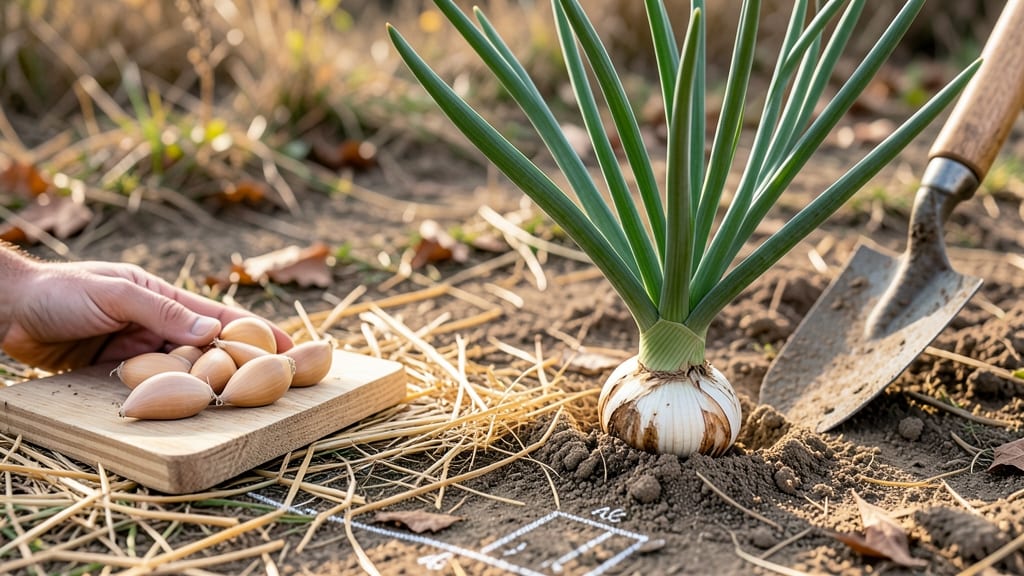
South Louisiana’s garlic planting timeline: chill-hours explained
Garlic thrives on chill hours—those 400-600 hours below 40°F that trigger bulb formation. South Louisiana’s mild winters (USDA Zones 8b-9a) mean we must plan strategically to meet these needs. Unlike northern climates, we can’t rely on winter’s natural chill, so timing and location adjustments are key to success.
Most gardeners in New Orleans, Lafayette, or Baton Rouge aim for a fall planting window (October-November) to ensure garlic gets enough cold exposure before spring warmth arrives.
However, microclimates matter—coastal areas may need earlier plantings, while inland zones can stretch dates slightly. The goal? Balance chill hours with heat tolerance to avoid bolting.
Pro Tip: Use a garlic thermometer or local weather data to track chill hours. For example, Lafayette’s average hits ~500 chill hours by late January—perfect for varieties needing 500-600 hours. Adjust your planting date 6-8 weeks before your area’s typical chill accumulation begins.
Here’s how South Louisiana’s planting windows break down by chill-hour needs:
| Chill-Hour Range | Ideal Planting Window | Regional Adjustments | Risk if Planted Late |
|---|---|---|---|
| 400-500 hours | Late October - Early November | Coastal areas (e.g., Grand Isle) | Bolting by March |
| 500-600 hours | Mid-October - Late November | Inland (Lafayette, Baton Rouge) | Small bulbs, weak flavor |
| 600+ hours | January - Early February | Northern parishes (e.g., Natchitoches) | Heat stress by May |
For hardneck varieties (e.g., ‘Music’ or ‘German White’), which need 600+ chill hours, a January planting works in cooler inland zones.
However, these may bolt prematurely in humid coastal areas. Softneck varieties (like ‘Silverskin’) tolerate fewer chill hours (400-500) and are safer for fall plantings.
Watch for unseasonable warmth—South Louisiana’s January thaws can disrupt chill accumulation. If temperatures spike above 50°F for 3+ days, garlic may break dormancy too early, leading to small, weak bulbs. Use row covers or shade cloth to extend chill exposure during warm spells.
Another trick? Pre-chill garlic cloves for 4-6 weeks in your fridge (35-40°F) before planting in December. This mimics winter chill and can boost bulb size by 20-30% in short-chill zones like New Orleans. Store cloves in a paper bag (not plastic) to prevent rot.
Timing isn’t just about chill hours—it’s also about soil temperature. Garlic roots best when soil stays between 40-60°F. In South Louisiana, October plantings often hit this sweet spot, while November or December plantings may struggle if soils warm too quickly.
Test soil temp with a thermometer or plant when daytime highs drop below 75°F.
Remember: Late plantings (after December 15) rarely mature fully in Louisiana’s heat. Even if garlic survives, bulbs may split or rot before harvest. Plan ahead—order seeds/cloves by September to secure your favorite varieties and avoid last-minute rushed plantings.
🌱
Step-by-step garlic planting guide for humid climates
South Louisiana’s heat and humidity demand a different approach to garlic planting. Unlike cooler climates, we can’t rely on winter chill alone—so strategic timing and soil prep are key. Start by selecting hardneck varieties like ‘Creole’ or ‘Silverskin’; they handle our mild winters better than softnecks.
Break your garlic bulbs into individual cloves 1-2 days before planting. Remove excess papery skins but leave the root end intact. This helps them establish faster in our warm, moist soil. For best results, plant cloves pointy-end up and root-end down, about 2 inches deep.
🌱 Step-by-Step Planting Guide
- Break cloves: Separate bulbs 1-2 days before planting
- Soil prep: Amend with compost to pH 6.0-7.0
- Spacing: Plant 6 inches apart in rows 12 inches apart
- Depth: Cover cloves with 2 inches of soil
- Mulch: Apply 3-4 inches of straw after planting
- Water: Deep soak morning only to prevent rot
In South Louisiana, aim to plant between mid-October and November—this gives bulbs time to root before our mild winter chill (400-600 hours). If you miss this window, a January-February planting can work, but yields may suffer. Avoid planting after December 15 when frost risks rise.
After planting, mulch heavily with straw or pine needles to insulate bulbs from temperature swings. This also suppresses weeds and retains moisture—critical in our humid summers. Remove mulch in late winter to allow soil to warm for spring growth.
Water deeply once a week in the morning to encourage strong root development. Avoid overhead watering to prevent fungal diseases like white rot, common in Louisiana’s damp air. Fertilize lightly with a 10-10-10 balanced mix at planting and again in early fall for steady growth.
Harvest when lower leaves turn brown and crispy (usually April-May), but before bulbs split. Cure in a dry, shaded area for 2-3 weeks to extend storage life—perfect for Louisiana’s long, hot summers ahead! 🌱