
Plants
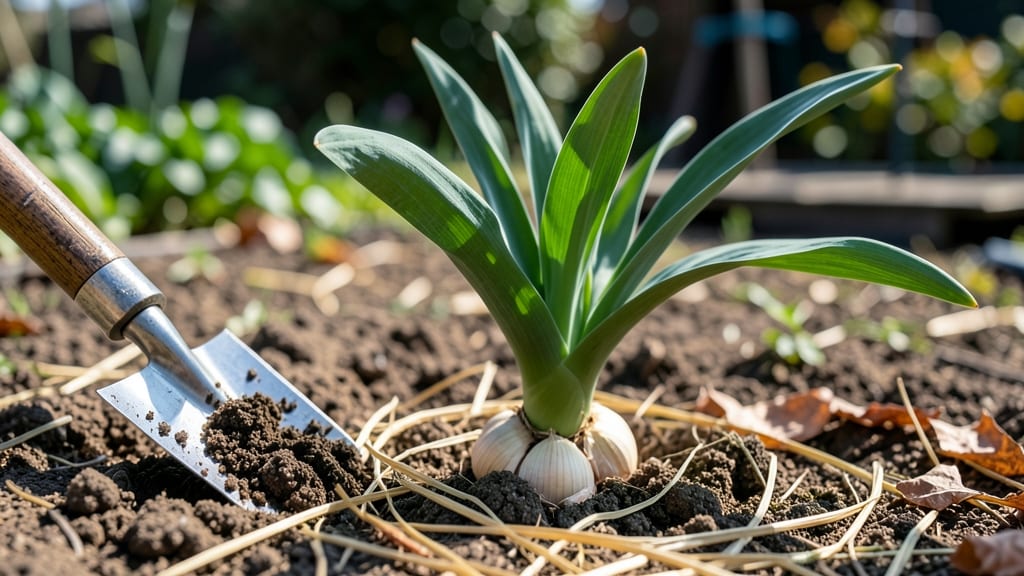
If you're a gardener in Zone 4b (think Northern New York or Minnesota), knowing when to plant garlic in zone 4b could mean the difference between a bumper crop and a disappointing harvest.
The key to growing robust 🧄 bulbs lies in timing—plant too early, and your cloves might sprout before winter sets in; too late, and frost could stunt root development.
Fall planting is your golden window for garlic success in cold climates like yours. The ideal time is 4-6 weeks before the ground freezes, typically between late September and mid-October. This timing ensures your garlic establishes strong roots before winter dormancy, setting the stage for bigger bulbs next summer.
But here's the catch: not all garlic varieties thrive on the same schedule. Hardneck types, popular in Zone 4b, need that early fall window, while softer varieties might tolerate later plantings.
I'll break down the exact dates, soil prep tips, and how to adjust for your local frost patterns—so you can avoid common mistakes that kill garlic in cold climates.
Ready to grow garlic that rivals the pros? Let's dive into the science-backed secrets for planting garlic in Zone 4b, so you can enjoy homegrown 🧄 from late June through July—and maybe even share extras with neighbors!
Optimal fall planting window for Zone 4B garlic (with exact dates)
In Zone 4B, where winters are long and frosts arrive early, timing your garlic planting is critical for success. The ideal window is 4-6 weeks before the ground freezes, typically between late September and mid-October.
This timing ensures garlic develops strong roots before winter dormancy, setting the stage for large bulbs the following summer.
Garlic thrives when planted in cool soil (40-50°F). In Zone 4B, soil temperatures drop below freezing around mid-October, so aim to plant by October 15th in most areas.
Early plantings (before September 20th) risk overgrowth before winter, while late plantings (after October 20th) may not establish roots before frost.
Here’s why this window works: Garlic needs 60-80 days of root growth before winter. Planting in late September gives roots time to anchor before the ground freezes, while mulching protects them from extreme cold. The hard freeze actually helps garlic by triggering dormancy, but roots must be established first.
🌱
| Stage | Action | Zone 4B Timeline |
|---|---|---|
| Soil Prep | Loosen soil, add compost | Late August - Early September |
| Planting Window | Plant cloves 4" deep, 6" apart | Late September - Mid-October |
| First Frost | Mulch heavily (4-6" straw) | Mid-October |
| Winter Dormancy | Roots grow slowly under snow | November - March |
| Spring Growth | Remove mulch, watch for shoots | April - May |
| Harvest Ready | Lower leaves brown, bulbs firm | Late June - July |
If you miss the ideal window, don’t panic—garlic can still be planted in early November, but success depends on soil conditions. In Zone 4B, late plantings may not establish roots before winter, leading to smaller bulbs.
Use a soil thermometer to confirm temperatures are above 40°F before planting.
For hardneck varieties (like Music or German White), which are best for Zone 4B, aim for the earlier end of the window (late September).
These varieties need cold exposure to form scape stalks and larger bulbs. Softneck varieties (like Artichoke) can tolerate slightly later plantings but still benefit from early fall timing.
Pro tip: Mark your planting date and track soil temperatures using a freeze warning app. In Zone 4B, 32°F soil temps signal it’s time to mulch with straw or leaves (4-6 inches thick) to insulate roots. This protects garlic through sub-zero temperatures while allowing root growth to continue slowly.
✂️
Optimal fall planting window for Zone 4B garlic (with exact dates)
In Zone 4B, garlic thrives when planted in late September to mid-October. This window ensures cloves establish roots before the ground freezes, setting the stage for strong bulbs next summer.
The key is planting 4-6 weeks before your first hard frost—typically around October 1-15 in most Zone 4B regions like Northern Michigan or Minnesota.
Garlic needs 40-60 days of root growth before winter dormancy. If you plant too early, cloves may sprout and get damaged by cold. Too late, and roots won’t develop enough to survive winter. Aim for soil temperatures between 40°F and 60°F—ideal for germination without stress.
🌱 Zone 4B Garlic Planting Timeline
| Stage | Action | Key Notes |
|---|---|---|
| Late September | Prepare soil (amend with compost) | Soil should be 60°F+ and well-draining |
| October 1-15 | Plant cloves 4" deep, 6" apart | Pointy end up; mulch after planting |
| Mid-October | Add 2-3" of straw mulch | Insulates roots during winter |
| Winter (Dec-Feb) | Leave undisturbed; snow cover helps | No watering needed; natural moisture suffices |
| Late June | Harvest when lower leaves brown | Cure bulbs in dry, shaded area for 2 weeks |
For Zone 4B’s short growing season, prioritize hardneck varieties like ‘Music’ or ‘German White’. These types need cold vernalization to form bulbs and tolerate winter well. Softneck varieties (like ‘Silverskin’) can also work but may struggle with extended cold or wet springs.
If your fall is unusually warm, plant hardneck garlic in early October to avoid early sprouting. Conversely, in cooler years, extend planting to early November—just ensure roots have 4+ weeks to establish before freezing. Use a soil thermometer to confirm temperatures drop below 32°F.
Pro tip: Mark your planting date and track frost-free days (Zone 4B averages 150 daysearly or late winters. For example, if frost arrives earlier than usual, shift planting to September 20-30.
Remember, garlic planted in fall matures faster than spring-planted garlic, giving you a larger harvest in Zone 4B’s short season. The earlier you plant in the fall window, the bigger your bulbs will grow—just don’t rush it! 🌱