
Plants
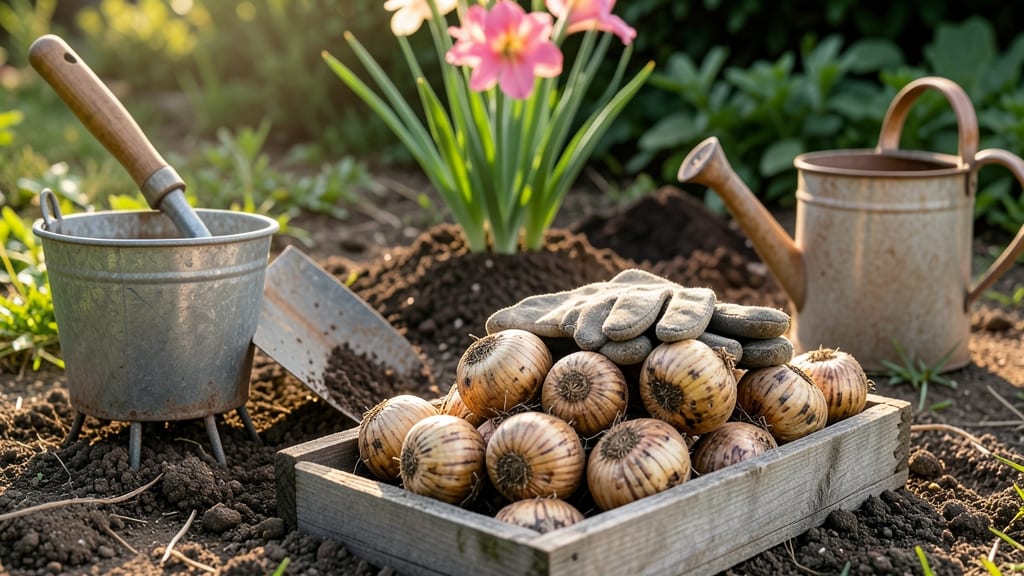
Timing your gladiolus bulb planting perfectly in the UK can mean the difference between stunning summer blooms and frost-damaged failures—especially when regional frost dates vary dramatically.
If you’ve ever watched your 🌸 gladiolus struggle or fail to thrive, it’s likely because the planting window wasn’t ideal for your specific UK zone.
The key to success lies in understanding your local climate. Most UK gardeners in zones 8a-9a should aim to plant gladiolus bulbs between April and June, but the exact timing depends on when the last frost hits your area.
Planting too early risks frost damage, while waiting too long can delay those vibrant summer blooms you’re craving.
I’ll break down the best planting times for England, Scotland, Wales, and Northern Ireland, so you can avoid common mistakes. Whether you’re in a milder coastal region or a colder inland area, knowing when to get those bulbs in the ground is the first step to a show-stopping display.
Ready to transform your garden? Let’s dive into the frost-free timeline and soil prep tips that will give your gladiolus the best possible start. You’ll discover exactly when to plant—and how to keep them thriving until harvest time.
UK gladiolus planting dates by region: avoiding frost damage
Gladiolus bulbs thrive in the UK’s spring warmth, but planting too early risks frost damage while late planting delays those showstopping summer blooms. The key is timing your planting 4-6 weeks after your region’s last frost date, which varies dramatically across England, Scotland, Wales, and Northern Ireland.
In warmer southern regions like Sussex or Kent, you can start as early as early April. Meanwhile, cooler northern areas like Scotland’s Highlands may need to wait until late May. Understanding these regional differences ensures your gladiolus get the frost-free growing period they need to flourish.
🌱
| Region | Last Frost Date | Ideal Planting Window | Early Varieties | Late Varieties |
|---|---|---|---|---|
| England (South) | Mid-April | Early April - Mid-May | Early April | Mid-May |
| England (North) | Late April | Late April - Early June | Late April | Early June |
| Scotland | Early May | Early May - Late May | Early May | Late May |
| Wales | Late April | Late April - Early June | Late April | Early June |
| Northern Ireland | Late April | Late April - Early June | Late April | Early June |
For gardeners in cooler microclimates, like upland areas, consider container growing to move pots indoors during unexpected late frosts. This flexibility lets you plant slightly earlier while protecting your investment.
If you’re unsure about your local frost dates, check the Met Office’s frost forecast or use your last frost date calculator. Many UK gardeners also rely on neighboring gardeners’ experiences—ask around at local gardening clubs for firsthand insights!
Pro tip: Early varieties like ‘White Friendship’ bloom faster and can handle slightly earlier planting, while late varieties such as ‘Black Star’ reward patience with dramatic late-summer color.
🌿
Once planted, gladiolus need consistent moisture and full sun to reach their 4-5 foot height. In drier regions, like parts of East Anglia, mulch around the base to retain soil moisture during their 120-day growing cycle.
Remember: No blooms this summer? It might not be the bulbs—check your planting timing first! Even the hardiest gladiolus varieties need that frost-free window to thrive.
☀️
How to prepare gladiolus bulbs for UK planting: step-by-step guide
Preparing your gladiolus bulbs properly before planting is key to avoiding frost damage and ensuring vibrant summer blooms. Unlike some hardy perennials, gladiolus bulbs need specific care to thrive in the UK climate.
Start by selecting firm, plump bulbs—these will give you the best chance of strong growth.
Before planting, check for any soft spots or mold on the bulbs. Discard any that look damaged, as these won’t survive the cool UK springs. Healthy bulbs should feel heavy for their size and have a papery skin that isn’t torn or discolored.
This step alone can save you from failed blooms later in the season.
🌱 Step-by-Step Gladiolus Bulb Prep for UK Planting
- Pre-Chill Bulbs (4-6 weeks before planting): Place bulbs in a cool, dark place (like a fridge) at 4-7°C (40-45°F) to simulate winter dormancy. This mimics the UK’s gradual warming and encourages strong root growth.
- Soak in Fungicide (Optional but Recommended): Soak bulbs in a mild fungicide solution (or a mix of 1 tsp hydrogen peroxide per liter of water) for 30 minutes to prevent rot and fungal diseases common in damp UK soils.
- Test Soil Drainage: Gladiolus hates waterlogged soil. Mix compost or grit into heavy clay soils to improve drainage. Aim for soil that feels like a damp sponge, not mud.
- Choose the Right Spot: Select a sunny location with at least 6 hours of direct sunlight daily. In the UK, this often means a south-facing border or raised bed to avoid late spring frosts.
- Plant at the Correct Depth: Dig holes 4-6 inches deep and space bulbs 6 inches apart. Larger bulbs can go slightly deeper (6 inches) for stability, while smaller ones need 4 inches of coverage.
- Add a Slow-Release Fertilizer: Mix a balanced fertilizer (10-10-10) into the planting hole to give your gladiolus a nutrient boost as it establishes roots. Avoid over-fertilizing—too much can burn delicate roots.
- Water Gently After Planting: Give the soil a light watering to settle the bulbs, but avoid soaking. Overwatering at this stage can lead to rot, especially in cool UK springs.
One common mistake UK gardeners make is planting gladiolus bulbs too early in the season. Since the UK experiences late frosts well into April, waiting until after the last frost date in your region is crucial.
For example, Scotland may still see frosts in May, while southern England might be frost-free by early April.
After planting, keep an eye on the soil moisture. Gladiolus bulbs need consistent watering but dislike soggy conditions. Mulch around the base with straw or bark chips to retain moisture and suppress weeds. This is especially helpful in dry UK summers when rainfall can be unreliable.
Finally, mark your planting spot with stakes or labels—gladiolus foliage can grow tall quickly, and you’ll want to avoid disturbing the bulbs later. With the right prep, your gladiolus will reward you with show-stopping blooms from July to September, making all the effort worthwhile! 🌸