
Plants
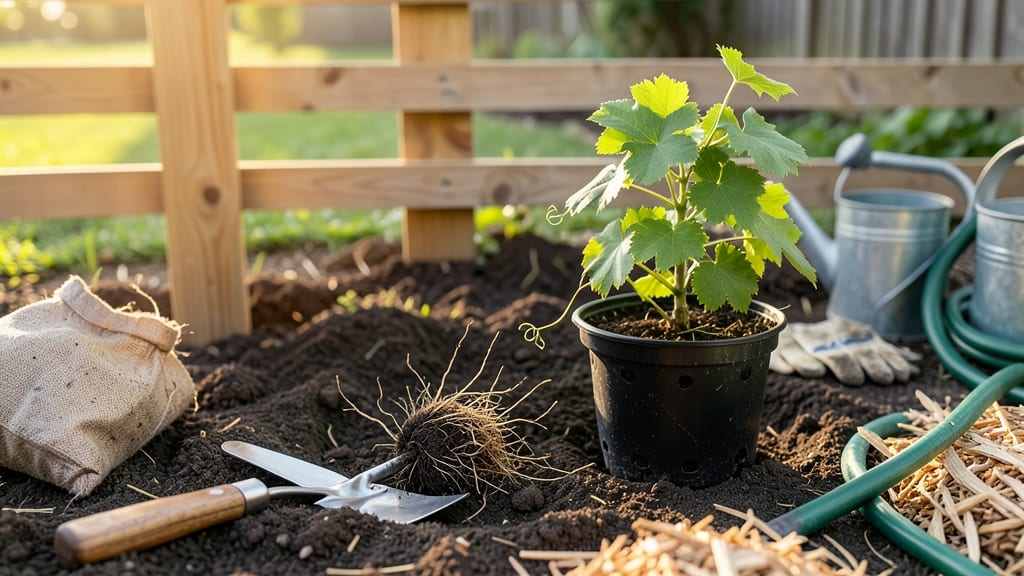
Illinois grape planting calendar: frost-free dates by Zone (5-7)
Illinois spans USDA Zones 5-7, meaning frost dates vary dramatically between northern and southern regions. In Zone 5 (northern IL), average last frost arrives May 1-15, while Zone 7 (southern IL) sees frost-free conditions by April 1-15.
These differences mean your planting window shifts by 3-4 weeks depending on location.
Soil temperature matters just as much as air temperature. Grape vines need 60°F+ soil to root successfully. In Zone 6 (central IL), this typically occurs 2-3 weeks after the last air frost. Use a soil thermometer to confirm readiness—planting too early in cold soil risks root rot.
Here’s your zone-specific planting calendar with frost-free windows and ideal soil temperatures:
| Zone | Last Frost Date | Ideal Planting Window | Soil Temp Threshold | Fall Planting Window |
|---|---|---|---|---|
| Zone 5 (Northern IL) | May 1-15 | May 15-June 15 | 60°F+ | September 15-October 15 |
| Zone 6 (Central IL) | April 15-May 1 | April 30-May 30 | 60°F+ | September 1-October 1 |
| Zone 7 (Southern IL) | March 15-April 1 | April 15-May 15 | 55°F+ | August 15-September 15 |
🌱 Pro Tip: Check your local Cooperative Extension office for hyper-local frost data—urban areas often warm 2-3°F faster than rural zones.
Spring planting gives vines 6-8 weeks to establish roots before summer heat, but fall planting has advantages too. Planting in September-October lets roots grow before winter dormancy, reducing transplant shock. Just ensure vines have 4-6 weeks to harden off before first frost.
Microclimates complicate timing. South-facing slopes warm faster than north-facing yards, while urban heat islands can push frost dates back by 1-2 weeks. If you’re unsure, opt for container planting—you can move pots to sheltered spots during late frosts.
Late frosts after planting are the biggest risk. Young grape vines can’t survive 28°F or below. Use frost cloth or row covers if nighttime temps dip near freezing after planting. For Zone 5 gardeners, this is especially critical in May.
For container-grown grapes, adjust timing by 2 weeks earlier—pots warm faster than soil. But avoid planting containers before May 1 anywhere in Illinois, as roots can’t tolerate cold soil for long.
Remember: Bare-root vines (dormant) can handle fall planting better than potted vines. If buying potted grapes, plant in spring only—their roots struggle in winter soil.
Best grape varieties for Illinois planting times (cold-hardy vs. warm-season)
Choosing the right grape variety for Illinois is critical—some thrive in northern cold, while others need warm-season protection. My top picks include Concord (hardy to -25°F) and Niagara (cold-tolerant but prefers milder winters), both perfect for spring planting in April-May.
For fall planting (September-October), consider Frontenac, a hybrid that handles Zone 4 winters without bud damage.
Warm-season varieties like Chardonnay or Cabernet Franc need extra care—plant them in south-facing slopes or use row covers for early frosts. These grapes love full sun exposure but struggle in northern Illinois without protection. Always check the USDA Zone of your county to match varieties to your microclimate.
Here’s how to pair varieties with Illinois’ planting windows:
For fall planting, prioritize varieties like Frontenac or Valvin Muscat—they establish roots before winter and sprout earlier in spring. Avoid planting warm-season grapes like Cabernet Sauvignon in northern Illinois unless you’re willing to extend the season with row covers.
Always soak bare-root plants for 2-4 hours before planting to reduce transplant shock.
Pro tip: If you’re in Zone 5, delay planting Chardonnay until late May to avoid late spring frosts. Use a soil thermometer—grapes need 60°F soil to root successfully. For container growing, choose dwarf varieties like Thomcord and move pots indoors before first frost.
Remember, dormant season (November-March) is when grape vines build resilience. Prune in late winter to remove dead wood and shape the vine for next year’s fruit. This keeps your grapes healthy and productive for years to come.