
Plants
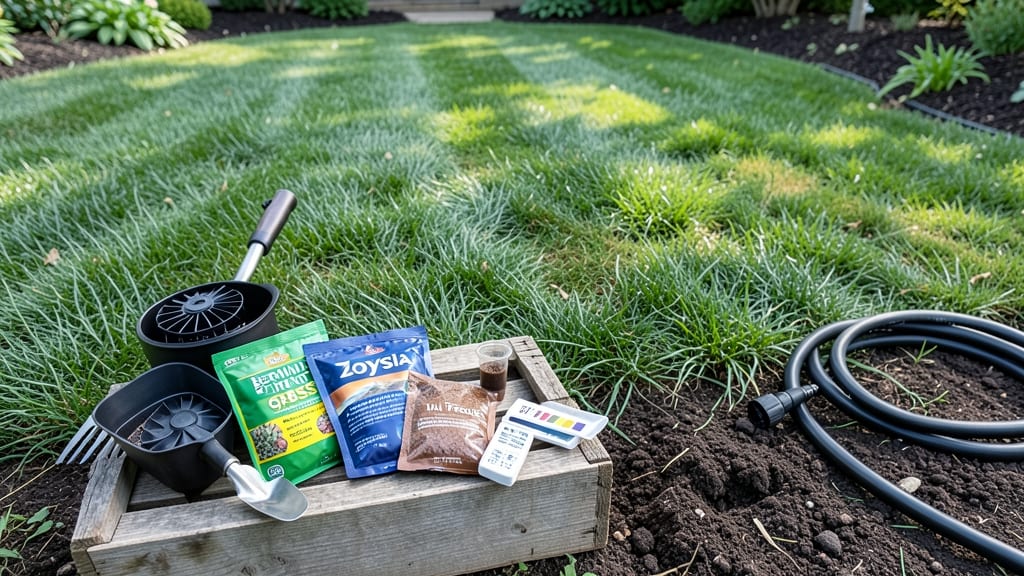
Best planting months for Alabama grass based on soil temperature
Alabama's climate creates two ideal windows for planting grass—spring and fall—but timing depends on your grass type and soil temperature. Cool-season grasses like tall fescue need soil at 55°F+, while warm-season varieties such as Bermuda grass thrive when soil hits 65°F+.
These thresholds ensure strong root development before extreme heat or frost. Ignoring soil temperature can lead to seed dormancy or poor germination.
North Alabama's frost-free window typically runs from mid-March to mid-November, while South Alabama enjoys a longer window from early-February to late-November. This regional difference means North Alabama gardeners should prioritize late April to early June for warm-season grasses, while South Alabama can extend planting into late May.
Always check your local USDA Zone (7a-8b) for precise timing.
Here’s how Alabama’s climate breaks down for optimal planting:
| Season | Grass Type | Soil Temp Threshold | Best Months (North AL) | Best Months (South AL) |
|---|---|---|---|---|
| Spring | Cool-Season (Fescue, Ryegrass) | 55°F+ | March–April | February–April |
| Spring | Warm-Season (Bermuda, Zoysia) | 65°F+ | Late April–June | March–June |
| Fall | Cool-Season (Fescue, Ryegrass) | 60°F+ | August–September | July–September |
| Fall | Warm-Season (Bermuda, Zoysia) | 70°F+ | Late August–September | July–September |
For cool-season grasses, aim to plant 6–8 weeks before the first expected frost in your area. In North Alabama, this is typically by early October, while South Alabama can extend planting into mid-October.
Fall planting allows grass to establish roots before winter dormancy, resulting in a thicker, greener lawn the following spring.
Warm-season grasses, however, should be planted when soil temperatures are consistently above 65°F—usually late April to early June in North Alabama and March to June in South Alabama.
Planting too early risks seed rot, while waiting too long may cause poor germination due to summer heat stress. Use a soil thermometer to monitor temperatures if you're unsure.
Alabama’s humidity and heat can also affect planting success. After sowing, keep the soil moist but not soggy to prevent fungal diseases like damping-off. Mulching with straw helps retain moisture and regulate soil temperature.
In coastal areas, where humidity is higher, reduce watering slightly to avoid fungal growth while ensuring roots stay hydrated.
If you’re planting in mountainous regions like the Appalachians, expect cooler microclimates that may extend your frost-free window. Monitor local weather forecasts and adjust planting dates accordingly.
For example, Huntsville (Zone 7a) may need to wait until mid-April for warm-season grasses, while Mobile (Zone 8b) can start as early as March.
Pro tip: Test your soil’s pH level before planting. Most Alabama grasses prefer a pH of 6.0–7.0. If your soil is too acidic or alkaline, amend it with lime or sulfur 4–6 weeks before planting to give the soil time to adjust.
This step is often overlooked but critical for optimal germination and growth.
Finally, avoid planting grass during Alabama’s peak summer months (June–August). The intense heat and drought conditions create stress for new seedlings, leading to thin, patchy lawns. Instead, focus on overseeding in fall or repairing bare spots with sod during cooler months.
With the right timing, your Alabama lawn can achieve lush, year-round greenery.
🌱
Cool-season vs. warm-season grass planting: Alabama-specific guide
Alabama’s climate creates a perfect split between cool-season and warm-season grasses, but planting timing makes all the difference. Cool-season varieties like tall fescue and ryegrass thrive in Alabama’s mild winters, while warm-season types such as Bermuda and Zoysia dominate summer’s heat.
Let’s break down the best planting windows for each type based on Alabama’s unique growing zones.
For cool-season grasses, the ideal window is late August through October, giving them time to establish roots before winter dormancy. In North Alabama (USDA Zone 7a), aim for September planting to avoid early frost, while South Alabama (Zone 8a) can extend into early October.
These grasses need 55°F+ soil temperatures to germinate, which aligns perfectly with Alabama’s fall cooling trend.
Warm-season grasses, on the other hand, demand soil temperatures above 65°F and should be planted in late April through June. In South Alabama, where heat arrives earlier, start as soon as mid-April. For North Alabama, wait until May to avoid late frosts that can damage young seedlings. Varieties like Bermuda and Zoysia establish faster in warm soil, giving them a competitive edge over weeds.
Cool-Season vs. Warm-Season Grass: Alabama Planting Guide
| Grass Type | Best Planting Window | Soil Temp Requirement | Alabama Region |
|---|---|---|---|
| Tall Fescue | Late August - October | 55°F+ | North & South |
| Ryegrass | September - October | 50°F+ | North Alabama |
| Bermuda | Late April - June | 65°F+ | South Alabama |
| Zoysia | May - June | 68°F+ | North & South |
One common mistake is planting warm-season grasses too early in spring. If you plant Bermuda in March in North Alabama, a late frost can kill young seedlings before they establish. Conversely, cool-season grasses planted in summer will bolt or struggle to germinate in Alabama’s 90°F+ temperatures.
Always check soil temperatures with a soil thermometer—55°F for cool-season and 65°F+ for warm-season are your golden rules.
For St. Augustine grass, a popular choice in South Alabama’s humid climate, plant in April or May when soil is warm and humidity is high. This grass thrives in shady spots but requires consistent moisture—a challenge during Alabama’s summer droughts.
If you’re in North Alabama, consider tall fescue blends for shade tolerance combined with cool-season resilience.
Pro tip: Use mulch or straw after planting to retain moisture and regulate soil temperature. In Alabama’s clay-heavy soils, mix in compost or sand to improve drainage—especially critical for warm-season grasses that hate soggy roots.
With the right timing and prep, your Alabama lawn will establish 3x faster and outcompete weeds from day one.