
Plants
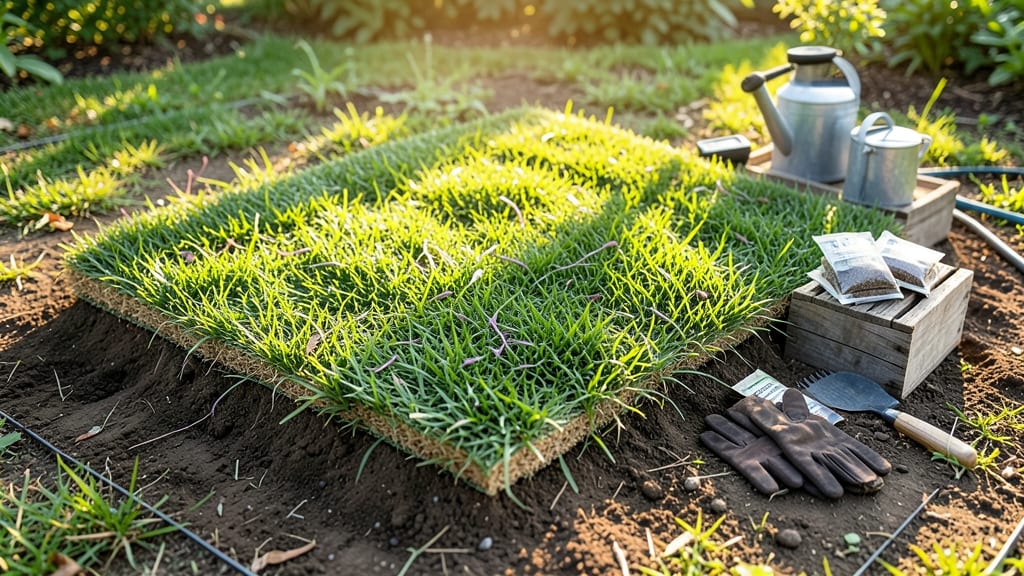
Timing your grass planting in San Antonio isn’t just about the calendar—it’s about beating the brutal heat and unpredictable droughts that can turn your 🌱 Grass (Turfgrass) into a sad, patchy mess.
Plant too early, and seedlings fry under 100°F+ soil; too late, and winter freezes stunt growth before it even starts.
Here’s the secret: Fall (August-October) is your golden window, when soil stays cool and rainfall gives young roots a fighting chance. But spring (February-March) works too—if you act fast before the heat ramps up.
I’ll break down exactly when to plant for fast germination and how to prep your lawn for San Antonio’s tough climate.
Whether you’re revamping a bare spot or overseeding an old lawn, the right timing makes all the difference. Let’s dive into the best months, soil tricks, and care tips to keep your grass thriving—no matter what Texas throws at it.
From Hill Country microclimates to urban heat islands, I’ll cover what works where so you don’t waste time (or money) on guesswork. Ready to grow grass that survives—and even loves—the Alamo City?
Best months to plant grass in San Antonio for fast germination & survival
San Antonio’s hot, dry climate (USDA Zone 8a/8b) demands precision when planting grass. The perfect window balances soil warmth, rainfall patterns, and temperature extremes—critical for seedling survival.
Warm-season grasses like Bermuda or St. Augustine thrive when planted in late summer/early fall, while cool-season options like Ryegrass need spring planting.
Timing matters because soil temperatures above 80°F stress seedlings, while winter freezes can stunt growth. My top recommendation? Plant between August and October for fall germination or February to March for spring growth—both align with San Antonio’s rainfall peaks and moderate temps.
Here’s why these months work best: August-September offers consistent moisture from summer rains, while October cools slightly, reducing heat stress. February-March avoids spring heatwaves and gives grass time to establish before summer’s intensity. Avoid planting in June-July—scorching temps and drought conditions make survival nearly impossible.
San Antonio’s microclimates also play a role. Urban areas (like Downtown) may experience heat islands, while Hill Country regions (e.g., Helotes) have cooler nights. Adjust planting by 1-2 weeks if your yard falls into these extremes—monitor soil temps with a thermometer (ideal: 60–75°F).
Pro tip: Warm-season grasses (like Zoysia) planted in fall germinate faster due to warmer soil, while cool-season grasses (like Fescue) need spring’s rising temps to thrive. Mixing grass types can extend your green season year-round.
| Season | Best Months | Soil Temp (°F) | Rainfall (in) | Grass Types |
|---|---|---|---|---|
| Fall | August–October | 60–75°F | 2–4 in/month | Bermuda, Zoysia, St. Augustine |
| Spring | February–March | 65–70°F | 1–3 in/month | Ryegrass, Fescue, Buffalo Grass |
| Avoid | June–July | Above 80°F | 0.5–1 in/month | Any (high failure) |
If you’re overseeding an existing lawn, time it with fall rains (September–October) for cool-season grasses or late spring (April) for warm-season blends. St. Augustine, for example, spreads faster in fall’s humidity, while Bermuda recovers quicker from spring’s mild temps.
Don’t overlook microclimate tweaks. Shady spots (like oak trees) may need earlier planting (July) to escape late-summer heat, while south-facing yards benefit from spring planting to avoid intense afternoon sun. Use a shade cloth if planting in July—it buys 2–3 weeks of seedling protection.
For drought-prone areas, prioritize deep-rooted grasses like Buffalo Grass or Tall Fescue, which handle San Antonio’s erratic rains better. Pair planting with mulching (straw or wood chips) to retain moisture and outcompete weeds—critical in urban heat islands.
Remember: Patience pays off. Grass planted in optimal windows germinates in 7–21 days (depending on type) and establishes fully in 60–90 days. Skimp on timing, and you’ll face brown patches, thin coverage, or fungal issues—all avoidable with the right schedule.
How to prepare your lawn for planting: soil, watering & drought-proofing tips
San Antonio’s clay-heavy soil and hot, dry climate demand extra prep work before planting grass. Skipping soil testing or water prep is a fast track to stunted growth or seed failure.
Let’s break down the essential steps to set your lawn up for success—starting with soil that’s fertile, well-draining, and drought-resistant.
First, test your soil pH using a home test kit (available at local nurseries). San Antonio’s ideal pH range for most grasses is 6.0–7.0.
If your soil is too alkaline (common in Texas), amend it with sulfur or peat moss to lower the pH. For clay soil, mix in compost or sand to improve drainage—this prevents waterlogging, which suffocates grass roots.
🌱 Did You Know? Adding 1–2 inches of compost before planting boosts organic matter by 30–50%, helping grass roots access moisture and nutrients more efficiently. Spread compost evenly over the area and till it into the top 4–6 inches of soil.