
Plants
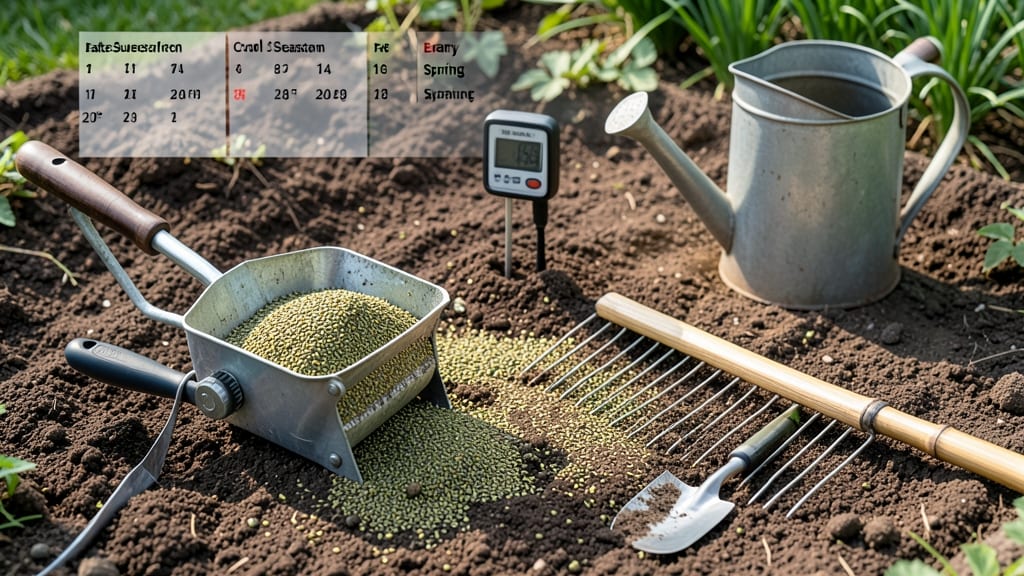
Timing your grass seed planting in Zone 5 could make or break your lawn's success—get it right, and you'll enjoy a thick, vibrant lawn by next summer. The key lies in understanding your local frost dates and soil temperatures, which can vary even within the same zone.
Most gardeners in Zone 5 (like me!) swear by early fall planting, but spring offers a second chance if you missed the window.
If you're wondering when to plant grass seed in Zone 5, the ideal window is early spring (March-April) or early fall (August-September), when soil temps hover between 50-65°F. This range gives your 🌱 seeds the perfect balance of warmth and moisture to germinate without stress.
Waiting too late in spring risks summer heat, while planting too early in fall means dealing with frost before roots establish.
Here's the game-changer: most Zone 5 areas experience their last frost around mid-April, so aim to plant 4-6 weeks before that date in spring. For fall, shoot for 6-8 weeks before the first frost—typically by early September.
This timing ensures your grass has time to grow strong roots before winter dormancy kicks in.
I'll walk you through exactly how to check your local microclimate, which grass types thrive in your area, and how to adjust for northern vs southern Zone 5 variations. Let's get your lawn off to the best possible start!
Ideal soil temperature and frost-free window for Zone 5 grass seed planting
Planting grass seed in Zone 5 hinges on two critical factors: soil temperature and the frost-free window. Get these wrong, and your seeds may rot, fail to germinate, or struggle to establish roots.
The best time to plant aligns with 50-65°F soil temperatures—this sweet spot ensures seeds germinate quickly without overheating or freezing.
In Zone 5, the frost-free window typically spans 150-180 days, from mid-April to mid-October. However, exact dates vary by location. For example, Chicago’s last frost is usually around April 15, while Pittsburgh’s can linger until May 1.
Always check your local USDA Plant Hardiness Zone map for precise timing.
Here’s the golden rule: Plant 4-6 weeks before the first frost in fall or after the last frost in spring. This gives seedlings enough time to establish roots before winter or summer stress sets in.
For most of Zone 5, this means late August to early September for fall planting and mid-April to early May for spring.
🌱 Pro Tip: Use a soil thermometer to confirm temperatures. Stick it 2-3 inches deep—this is where seeds will germinate. If the reading is below 50°F, wait a few more days.
| Factor | Zone 5 Ideal Range | Actionable Tip |
|---|---|---|
| Soil Temperature | 50–65°F (10–18°C) | Use a soil thermometer; avoid planting if temps drop below 50°F. |
| Spring Planting Window | Mid-April to early May | Wait until after the last frost and soil warms to 50°F+. |
| Fall Planting Window | Late August to early September | Plant 4-6 weeks before first frost for root establishment. |
| Frost-Free Days | 150–180 days | Check local averages; adjust planting 2 weeks earlier if your area has shorter windows. |
| Microclimate Adjustments | ±7–14 days | South-facing slopes warm faster; north-facing areas may need later planting. |
Microclimates within Zone 5 can shift planting windows by up to 2 weeks. For instance, a south-facing slope might warm up faster than a north-facing yard.
If your lawn is shaded by trees or buildings, consider planting 2 weeks later in spring or 2 weeks earlier in fall to avoid heat stress or frost.
Another critical factor is seed viability. Cool-season grasses like Kentucky Bluegrass and Fescue germinate best in 50-60°F soil, while warm-season Bermuda grass needs 65-75°F. If you’re planting in late spring, opt for cool-season varieties to avoid summer heat stress.
💧 Warning: Planting too early in spring risks frost damage to tender seedlings. Conversely, planting too late in fall may leave grass weak before winter. Aim for early September in most of Zone 5—this balances root growth and frost risk.
To confirm your local frost dates, check resources like the Old Farmer’s Almanac or your state’s agricultural extension service. These tools provide hyper-localized data that generic Zone 5 guidelines can’t match.
For example, Detroit’s last frost is often April 20, while Buffalo’s can be as late as May 10.
Finally, prepare your soil 2-3 weeks before planting. Rake out debris, loosen compacted soil, and mix in compost to improve drainage. This ensures seeds make contact with warm, fertile soil—setting the stage for a thick, lush lawn.
Best months to plant grass seed in Zone 5 by seed type (cool vs warm season)
Zone 5 gardeners have two prime windows to plant grass seed: late spring and early fall. But not all grass types thrive in the same season—cool-season grasses like Kentucky Bluegrass and Fescue prefer fall, while warm-season Bermuda needs summer heat.
Let’s break down the best months for each type to maximize your lawn’s success.
For cool-season grasses (most common in Zone 5), September is ideal—soil stays warm enough for germination but cools before winter.
If you miss fall, late April to early May works for spring planting. Warm-season grasses like Bermuda are rare in Zone 5 but should be planted in late May to June when soil temperatures exceed 65°F.
Here’s how each grass type aligns with Zone 5’s seasonal windows:
| Grass Type | Best Planting Months | Why This Timing? |
|---|---|---|
| Kentucky Bluegrass | September (fall) or April-May (spring) | Thrives in cool soil; fall planting avoids summer heat stress. |
| Tall Fescue | August-September (fall) or late April (spring) | Drought-tolerant but needs consistent moisture for germination. |
| Perennial Ryegrass | March-April (spring) or September (fall) | Germinates quickly; spring planting risks summer drought. |
| Bermuda (warm-season) | Late May-June (if used in Zone 5) | Needs soil temps above 65°F; rare in Zone 5 but possible in southern areas. |
If you’re planting in spring, wait until after the last frost date (typically mid-April in Zone 5) and ensure soil temperatures are above 50°F.
For fall planting, aim for 4-6 weeks before the first frost—usually late August to early September—to give seeds time to establish roots before winter.
Pro tip: Test your soil’s moisture before planting. Cool-season grasses need consistent moisture for germination, so water lightly daily until seedlings appear (about 2-3 weeks). Avoid planting in July or August—the heat can cause seed desiccation, even if soil temps are ideal.
Remember, fall planting often yields better results in Zone 5 because cooler temps reduce weed competition and stress on young grass. But if you’re late to the game, early spring is your backup plan—just be prepared for slower growth during summer’s heat.