
Plants
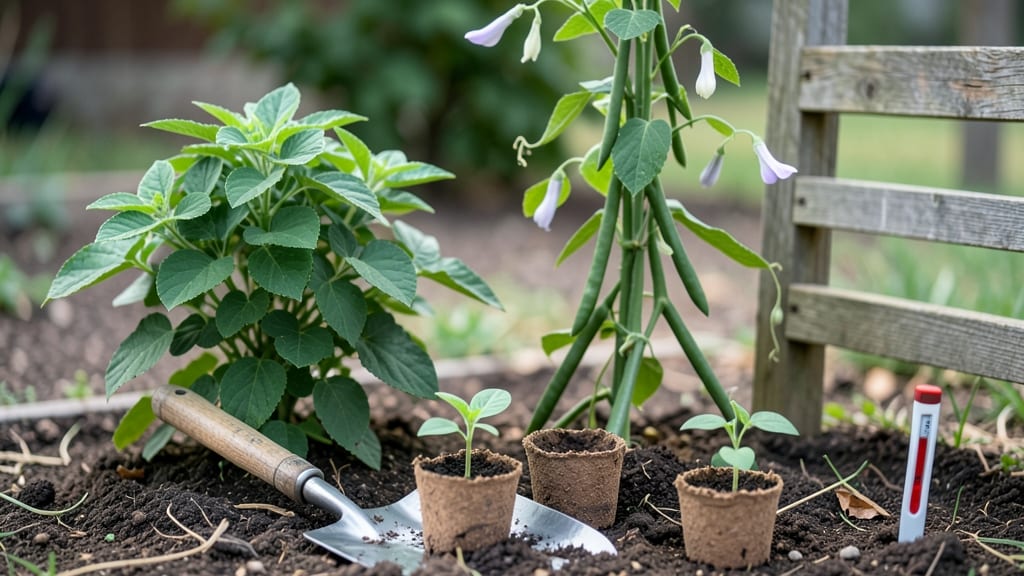
Timing your green bean planting in Utah isn't just about the calendar—it's about beating the high desert's unpredictable frosts and elevation shifts.
Whether you're in Salt Lake City's valleys or Park City's slopes, getting those seeds in the ground at the right moment means the difference between a bountiful harvest and a sad, wilted 🌱 disappointment.
Most gardeners in Utah's USDA zones 5-7 know the struggle: plant too early, and a late frost will turn your tender seedlings into ice cubes. Plant too late, and you'll miss the 150-200 frost-free days that green beans need to thrive.
But here's the good news—with the right strategy, you can nail those planting windows and enjoy fresh pods from July through October.
I've tested the best methods for Utah's unique climate, from tracking soil temperatures (they need to be at least 60°F) to adjusting for elevation zones.
Whether you're a first-time gardener or a seasoned pro, these localized tips will help you avoid common mistakes and maximize your yield—no matter where you live in the Beehive State.
Ready to grow your best green bean crop yet? Let's break down the exact planting dates for your elevation zone and how to protect your plants from Utah's tricky weather patterns. Your future harvest is waiting!
Utah’s green bean planting calendar by elevation zone
Utah’s dramatic elevation shifts—from the Great Salt Lake’s low valleys to the Wasatch Mountains’ peaks—mean your green bean planting dates can vary by 4-6 weeks within a single state.
At 2,000 feet in St. George, you might plant in early March, while at 9,000 feet in Park City, you’ll wait until mid-June. Understanding your elevation zone is the first step to avoiding frost damage and ensuring a bountiful harvest.
Green beans thrive when soil temperatures reach 60°F+, but they’re frost-sensitive seedlings. In Utah, this means timing your planting to after the last average frost date for your area.
For most low-elevation zones (2,000–5,000 ft), this falls between mid-April and early May. Meanwhile, high-elevation areas (7,500+ ft) often wait until late June or early July to plant.
Here’s how to match your elevation to the perfect planting window:
| Elevation Zone | Last Frost Date | Ideal Planting Window | Soil Temp for Germination | Fall Planting Window |
|---|---|---|---|---|
| Low (2,000–5,000 ft) | Mid-April | Early April–early May | 60°F+ | Late July–early August |
| Mid (5,000–7,500 ft) | Early May | Late April–mid-May | 60°F+ | Early August–mid-August |
| High (7,500+ ft) | Mid-June | Late May–early July | 65°F+ | Late August–early September |
For low-elevation gardens like those in Southern Utah, you can even squeeze in a fall planting by sowing seeds in late July. This second crop benefits from cooler temperatures and often produces sweeter pods.
In contrast, high-altitude gardeners should focus on fast-maturing varieties to avoid early frosts in September or October.
Pro tip: Use a soil thermometer to confirm your soil is warm enough before planting. Green beans won’t germinate below 55°F, and waiting for 60°F+ ensures faster sprouting. In cold springs, consider using black plastic mulch to warm the soil 5–10°F faster than bare earth.
If you’re unsure about your last frost date, check the Utah Climate Center’s historical data or use the Almanac’s Frost/Freeze Calculator. These tools account for microclimates like urban heat islands or sheltered valleys, which can shift frost dates by 1–2 weeks.
For container gardening in Utah, start seeds indoors 4–6 weeks before your last frost date. Small pots or grow bags work well, and you can move them outdoors after hardening off. This method extends your growing season by 2–4 weeks compared to direct sowing.
Remember: Green beans are heat-tolerant but struggle in extreme summer heat (above 90°F). In low-desert areas, provide afternoon shade during July and August to prevent flower drop and poor pod formation.
Once you’ve nailed your planting dates, the next step is choosing the right varieties for Utah’s climate.
Fast-maturing types like ‘Contender’ (50 days) or ‘Blue Lake’ (55 days) are ideal for high elevations, while ‘Kentucky Wonder’ (pole beans) thrive in longer growing seasons like those in Northern Utah. 🌱
How to adjust planting dates for Utah’s microclimates
Utah’s microclimates can shift planting windows by weeks—even within the same county. For example, Salt Lake Valley (4,200 ft) might see its last frost in mid-April, while Park City (7,800 ft) could face frost until late May.
Adjust your schedule based on your local frost dates and elevation.
In cold valleys like Cache or Weber, start seeds indoors 4-6 weeks before your last frost date to give seedlings a head start. Use grow lights if natural light is limited, then transplant outdoors as soon as soil reaches 60°F—even if nighttime temps dip into the 40s.
For high-altitude areas (8,000+ ft), delay planting until mid-to-late June to avoid late frosts. Choose fast-maturing varieties (like ‘Contender’ or ‘Blue Lake’) that can produce pods before the first frost in October. A row cover can extend your season by 2-3 weeks in both spring and fall.
🌱
Check the National Weather Service or Utah Climate Center for your local frost dates. Bookmark this tool: NOAA Frost Prediction.
Plant seeds 2-3 weeks earlier in a cold frame to protect seedlings from late frosts. Remove the frame when soil warms to 55°F.
In areas above 7,500 ft, wait until July 15 or later for a fall crop. Aim to harvest before September 15 to avoid frost.
Acclimate seedlings to outdoor temps over 7-10 days by placing them in partial shade for increasing durations each day.
Use a soil thermometer—green beans need soil at 60°F+ to germinate. In cold zones, wait until late May or early June.
If you’re in a transition zone (like Provo or Ogden), split your planting: sow half in late April and half in mid-June for a staggered harvest. This reduces risk if early frosts strike.
For container gardening, plant seeds 1-2 weeks later than ground planting to account for slower soil warming in pots. Use black plastic mulch to raise soil temps by 5-10°F and speed up germination.
🌿