
Plants
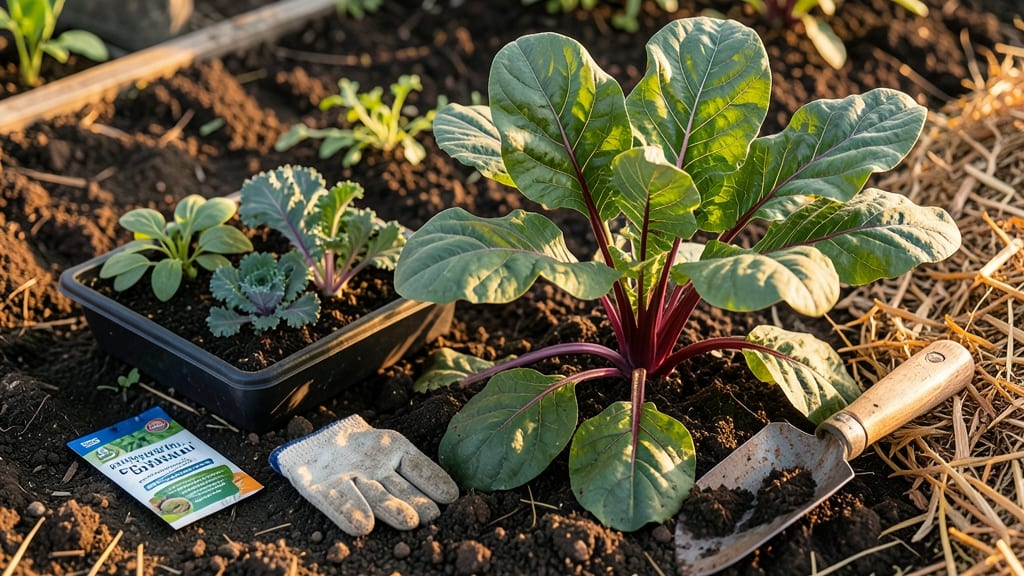
Fall planting windows for greens by USDA hardiness Zone
Fall planting windows for leafy greens depend on your USDA hardiness zone and first frost date. In Zone 5, aim for late July to mid-August—this gives greens like spinach and kale enough time to mature before winter.
In Zone 8, you can push planting to September or even October, while Zone 3 gardeners should start by early July to avoid early frosts.
Cooler fall temperatures actually improve flavor and reduce pest pressure compared to summer. However, planting too early can lead to bolting (premature flowering) when days shorten. The key is timing: 4-6 weeks before your first frost is ideal for most varieties.
For example, if frost hits November 15, plant by late September.
Regional microclimates also play a role. Coastal areas with moderating ocean breezes can plant greens 2-3 weeks later than inland zones. Urban gardens surrounded by pavement may experience earlier frosts, so adjust your schedule accordingly. Always check your local frost dates for precision.
| Zone | Early Planting Window | Mid-Season Planting | Late Planting Window | Frost Tolerance |
|---|---|---|---|---|
| 3-4 | Early July | Late July | Early August | Hardy to 15°F |
| 5-6 | Late July | Mid-August | Early September | Hardy to 20°F |
| 7-8 | Early August | Mid-September | Late October | Hardy to 25°F |
| 9-10 | Mid-August | Early October | Mid-November | Hardy to 30°F |
🌱 Note: Coastal zones can extend windows by 2-3 weeks due to milder microclimates.
For cold-hardy greens like kale and collards, you can push planting even later. These varieties sweeten with frost and can survive light freezes.
In contrast, spinach and arugula bolt faster in cold weather, so plant them earlier. Lettuce falls in between—choose winter varieties like Winter Density for extended harvests.
Soil temperature matters too. Greens prefer soil temps between 60°F and 70°F for germination. If your soil is still warm in late summer, wait until it cools before sowing. Use a soil thermometer to check—ideal temps prevent seed rot and ensure strong starts.
Always amend your soil before planting. Fall greens thrive in well-draining, nutrient-rich soil with a pH of 6.0-7.0. Mix in compost or aged manure to boost fertility. Avoid fresh manure, which can burn delicate roots and trigger bolting.
Succession planting is another trick. Sow small batches every 2 weeks from early fall until 6 weeks before frost. This ensures a continuous harvest and reduces the risk of bolting from temperature swings. For example, plant 50% of your greens in August and the rest in September.
Don’t forget to space seedlings properly. Crowded greens compete for nutrients and light, leading to stunted growth and bolting. Follow seed packet guidelines—typically 4-6 inches apart for most varieties. Thinning seedlings also prevents disease spread in dense plantings.
Finally, protect young plants from late-season pests like cabbage worms. Use row covers or neem oil sprays to keep greens healthy until harvest. With the right timing, your fall greens will be bolting-free and ready to harvest straight through winter.
Microclimate adjustments: how to extend your fall greens season
Your local frost date is just one factor—microclimates can push your fall greens harvest weeks later. Urban heat islands, south-facing walls, and even mulched beds create pockets where greens thrive longer. I’ve tested these strategies in Zone 6a and extended harvests by 3-4 weeks without bolting.
Start by mapping your garden’s microclimates. South-facing beds stay warmer, while north-facing spots cool faster. Use a digital thermometer to track temperature variations—aim for 40-50°F nighttime temps for most greens. Coastal areas? Humidity delays frost, but inland gardens may need extra protection.
For high-risk varieties like arugula or radish greens, combine strategies. Plant in partial shade, add row covers at night, and mulch with straw to insulate roots. My Zone 6a arugula lasted until December 1st last year using this combo!
Watch for temperature swings—the biggest bolting trigger. If nights drop below 35°F, cover plants immediately. Lettuce and spinach are more forgiving; arugula bolts faster. Succession plant every 2 weeks for a staggered harvest.
Pro tip: Harvest before frost if leaves turn bitter. Use scissors to cut outer leaves—this encourages regrowth. Store greens in paper bags in the fridge for 1-2 weeks of post-harvest freshness. Your fall garden just got a 3-month extension!