
Plants
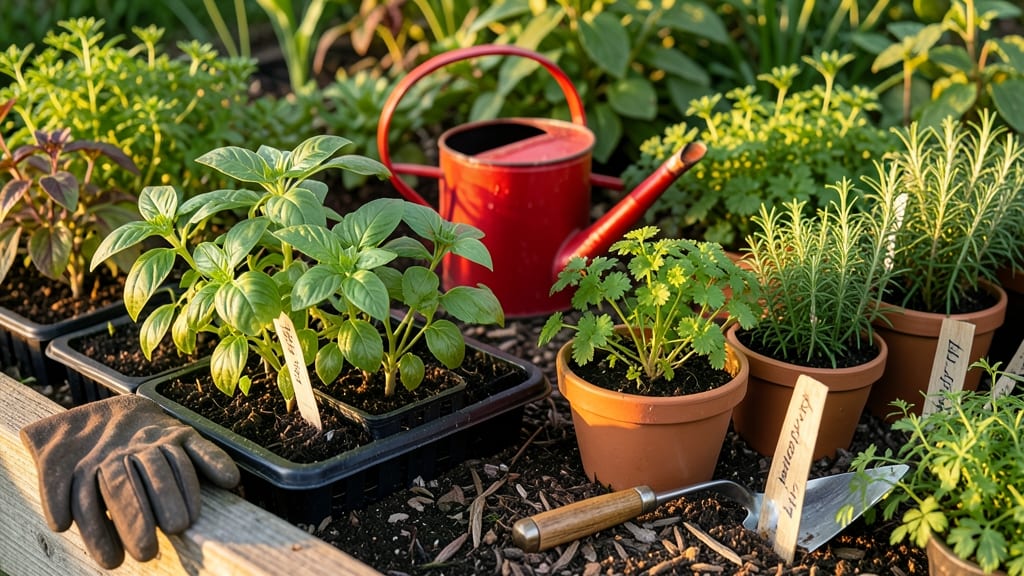
North Texas herb planting calendar by month: frost dates and heat tolerance guide
North Texas' USDA Zone 8a/b climate means frost dates and heat tolerance dictate when to plant your herbs. The last frost typically hits around March 15, while the first frost arrives November 15.
This 210-day growing season is perfect for both spring and fall herb planting—if you time it right!
Spring planting starts in February for cold-hardy herbs like parsley and cilantro, while heat-lovers like rosemary and oregano wait until April. Fall planting begins in August for a second harvest before winter. Let’s break it down month by month to maximize your herb garden’s potential.
| Month | Cold-Hardy Herbs (Spring) | Heat-Tolerant Herbs (Spring) | Fall Planting Window | Notes |
|---|---|---|---|---|
| January | Parsley, Chives | — | August-Sept | Start seeds indoors for early spring. |
| February | Cilantro, Dill | Rosemary (potted) | August-Sept | Direct sow cold-hardy herbs outdoors. |
| March | Basil (after last frost) | Thyme, Oregano | August-Sept | Transplant seedlings after March 15. |
| April | — | All heat-lovers | — | Full sun and watering critical. |
| August | — | Basil, Cilantro | August-Sept | Plant in partial shade to avoid heat stress. |
| September | Parsley, Chives | Rosemary, Sage | — | 4-6 weeks before first frost for fall harvest. |
In North Texas, spring planting begins with cold-hardy herbs like parsley and chives in January-February. These herbs can handle light frosts and even thrive in cooler temperatures. By March, you can safely plant basil and cilantro after the last frost date, typically around March 15.
For heat-tolerant herbs, wait until April to avoid spring heatwaves that can stress young plants. Rosemary, thyme, and oregano do best when temperatures stabilize, so late spring is ideal. These Mediterranean herbs need well-draining soil and full sun to thrive in North Texas’ intense summer heat.
Fall planting is just as critical for a second harvest. Start sowing cold-hardy herbs like parsley and chives in August, while heat-sensitive herbs like basil should go in by early September.
This gives them time to establish roots before the first frost in November. Use row covers in late fall to extend the season even further.
North Texas’ urban vs. rural microclimates also play a role. Urban areas like Dallas and Fort Worth experience heat islands, making it harder for herbs to establish in summer.
Rural areas may have cooler nights, which benefits heat-sensitive herbs like basil. Always monitor your local weather forecasts and adjust planting dates accordingly.
Pro tip: Use Texas A&M AgriLife Extension’s frost date maps to pinpoint your exact last frost date. This ensures you’re planting at the optimal time for your specific location in North Texas. With the right timing, you can enjoy fresh herbs from early spring through late fall!
Remember, soil preparation is key. Amend your soil with compost and ensure it drains well to prevent root rot, especially during
How to extend your herb growing season in North Texas without frost damage
North Texas’ unpredictable weather—freezing winter nights followed by scorching summer days—can make herb gardening a challenge. But with the right strategies, you can extend your harvest from early spring through late fall.
The key is protecting tender herbs from late frosts and beating the heat for summer-sensitive varieties like basil and cilantro.
Start by choosing heat-tolerant herb varieties like rosemary, oregano, and thyme, which thrive in North Texas’ summer heat. For cooler-season herbs, use season-extending tools like row covers, cold frames, and even simple DIY cloches. These methods create microclimates that shield plants from unexpected frost or intense afternoon sun.
🌱 Pro Tip: Urban gardeners in Dallas/Fort Worth can leverage containers and raised beds to control soil temperature. Fill pots with well-draining potting mix and place them on heat-resistant trays to prevent root stress during heatwaves.
🌿 5 Ways to Extend Your Herb Season
- 1. Use row covers (like frost blankets) to protect seedlings from late spring frosts (after March 15).
- 2. Set up cold frames or DIY mini greenhouses to trap heat and delay frost damage in fall.
- 3. Plant heat-lovers early (like rosemary and oregano) in February to establish roots before summer.
- 4. Succession plant fast-growing herbs (e.g., basil, cilantro) every 2-3 weeks for continuous harvests.
- 5. Mulch heavily with straw or wood chips to insulate soil and retain moisture during droughts.
For urban balconies, prioritize compact, heat-tolerant herbs like thyme, marjoram, or dwarf rosemary. Place pots near south-facing walls to maximize sunlight and use lightweight row covers during unseasonably cold nights.
In rural areas, elevated beds with black plastic mulch can warm soil faster in spring, giving herbs a head start.
Don’t forget watering adjustments—deep watering in the early morning reduces stress, while shallow evening watering can encourage fungal growth. Pair these tactics with regular pruning to encourage bushier, more resilient plants.
With these strategies, you’ll enjoy fresh herbs year-round, even in North Texas’ extreme climate. Start small, experiment with what works best in your microclimate, and soon you’ll have a thriving herb garden that defies the seasons! 🌡️