
Plants
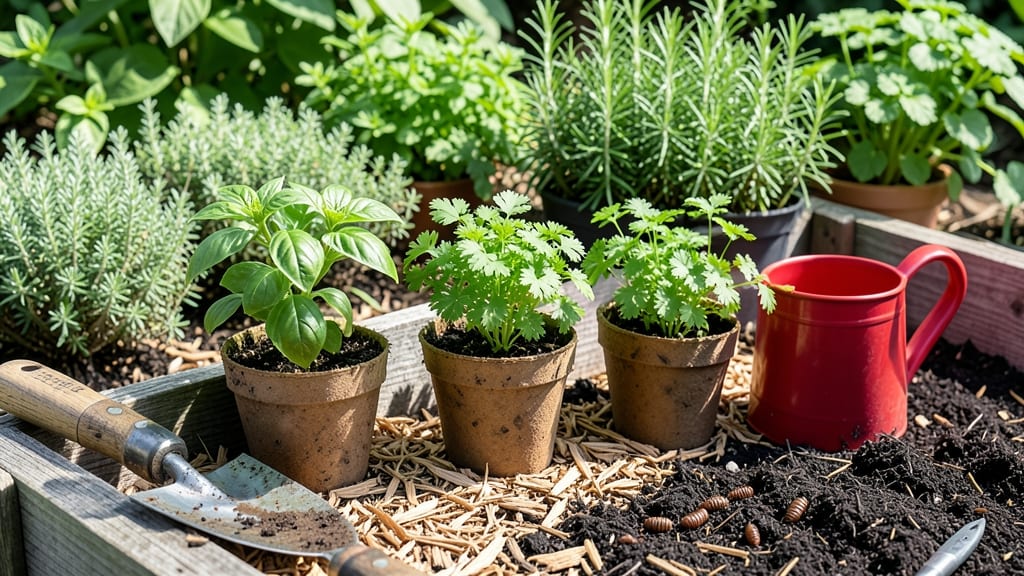
If you've ever wondered why your basil bolts in the heat or your cilantro bolts before you can harvest it, timing is the key to growing thriving herbs in Zone 9b. The perfect planting window for these flavorful plants isn't just about spring—it's about working with your mild winters and long summers to maximize yields all year.
Zone 9b gardeners have a unique advantage with its nearly frost-free climate, but even here, planting too early or too late can mean weaker growth, bitter flavors, or even lost crops.
I've tested the best months for everything from heat-loving rosemary to cool-season cilantro, so you can avoid common mistakes and enjoy fresh herbs from spring through fall.
Whether you're a beginner or a seasoned gardener, knowing when to plant each herb makes all the difference. You'll discover the ideal timing for fall starts, how to protect tender plants from rare frosts, and which herbs thrive in Zone 9b's microclimates.
Let's get your herb garden growing stronger than ever.
From extending your harvest into winter to avoiding summer stress, these strategies will transform your herb garden into a year-round flavor powerhouse. Ready to grow herbs that taste better and last longer? Let's dive into the exact months that work best for your climate.
Best months to plant herbs in Zone 9b by type
Zone 9b’s mild winters and long growing season mean you can grow herbs almost year-round—but timing still matters for flavor and yield. Cold-hardy herbs like oregano and thyme thrive in cooler months, while tender varieties like basil and cilantro need precise planting windows to avoid heat stress or frost damage.
Let’s break down the best months for each type, including how to stretch your harvest across all four seasons.
In Zone 9b, fall planting (September–November) is ideal for many herbs because cooler temperatures reduce pest pressure and slow down rapid growth. Spring planting (February–April) gives tender herbs a head start before summer heat arrives, while winter planting (December–January) works for cold-hardy varieties.
Below, I’ll cover the exact timing for popular herbs, including frost sensitivity and heat tolerance notes.
🌱 Herb Planting Guide for Zone 9b
| Herb | Best Planting Months | Frost Sensitivity | Heat Tolerance | Notes |
|---|---|---|---|---|
| Basil | March–April, September | Frost-killed | Moderate (bolts in heat) | Start indoors in Feb |
| Cilantro | September–November, February | Moderate (light frost OK) | Low (bolts in heat) | Succession plant every 3 weeks |
| Oregano | September–March | Cold-hardy (25°F) | High | Perennial; divide every 2 years |
| Rosemary | February–March | Cold-hardy (15°F) | Very high | Drought-tolerant; prune yearly |
| Thyme | September–November, February | Cold-hardy (10°F) | High | Perennial; thrives in poor soil |
| Mint | March–April, September | Moderate (light frost OK) | Moderate | Invasive; grow in containers |
For basil, I recommend planting in early spring (March–April) or late summer (September) to avoid the peak summer heat, which causes bolting.
Start seeds indoors in February for a jump on the season. Cilantro, on the other hand, prefers cooler weather, so fall (September–November) and winter (February) are ideal. It bolts quickly in heat, so succession planting every 3 weeks keeps you harvesting fresh leaves.
Cold-hardy herbs like oregano and thyme can handle Zone 9b’s mild winters and should be planted in fall (September–November) or early spring (February–March).
These perennials establish deep roots and thrive with minimal care. Rosemary, another cold-hardy herb, loves the dry heat of Zone 9b summers and should be planted in February–March to establish before the hottest months.
If you’re new to Zone 9b gardening, mint might seem tricky because it spreads aggressively. Plant it in containers in March–April or September to control its growth. Its peppery flavor pairs well with teas and cocktails, but its invasive roots can take over garden beds if left unchecked.
One common mistake I see is planting tender herbs like basil in July. The intense heat causes the plants to bolt prematurely, turning bitter and woody. Instead, focus on cool-season herbs like parsley or dill during summer’s peak. These thrive in the heat and provide
How to extend your herb harvest in Zone 9b's mild winters
Zone 9b’s mild winters let you grow herbs nearly year-round—but without the right strategies, your harvest can still fizzle when temperatures dip. The key is succession planting and protective measures that shield tender varieties from light frosts (typically 28-32°F in this zone).
Even herbs like basil and cilantro, which bolt in heat, can thrive in cooler months with the right approach.
Start by identifying which herbs are cool-season lovers (like parsley and thyme) versus those that need winter protection (like rosemary and oregano). In my garden, I’ve found that container-grown herbs are the easiest to move indoors or under cover when frost threatens.
A simple frost cloth or row cover can add 5-10°F of protection, turning a risky harvest into a reliable one.
- 📅 Succession Plant every 4-6 weeks for basil and cilantro to avoid gaps in harvest.
- 🪴 Use containers to move tender herbs indoors near south-facing windows (6+ hours of light).
- ❄️ Protect with frost cloth or mini greenhouses during light frosts (28-32°F).
- 🌡️ Choose cold-hardy varieties like winter cilantro or purple basil for cooler months.
- 💧 Reduce watering in winter to prevent root rot from soggy soil.
For container gardening, I swear by 5-gallon pots with drainage holes—herbs like rosemary and thyme thrive in them and can be rolled into a garage or sunroom when nights get chilly.
If you’re growing outdoor herbs, mulch heavily with straw or wood chips to insulate roots. I’ve even seen mint survive winter in Zone 9b with just a thick layer of mulch!
Don’t overlook microclimates in your garden. A south-facing wall or paved area can trap heat and extend the growing season for heat-loving herbs like basil and oregano.
In my backyard, the spot near the brick patio stays 10°F warmer than the open garden bed, letting me harvest fresh basil even in January.
Finally, prune back woody herbs like rosemary and lavender in late winter to encourage new growth as temperatures rise. This trick has helped me get a head start on the season, with harvest-ready herbs by March instead of May.
The secret? Timing and protection—two simple strategies that make all the difference in Zone 9b’s mild but unpredictable winters.
With these techniques, you’ll turn Zone 9b’s long growing season into a year-round herb haven, ensuring fresh flavors for cooking and crafts no matter the month. Happy growing!