
Plants
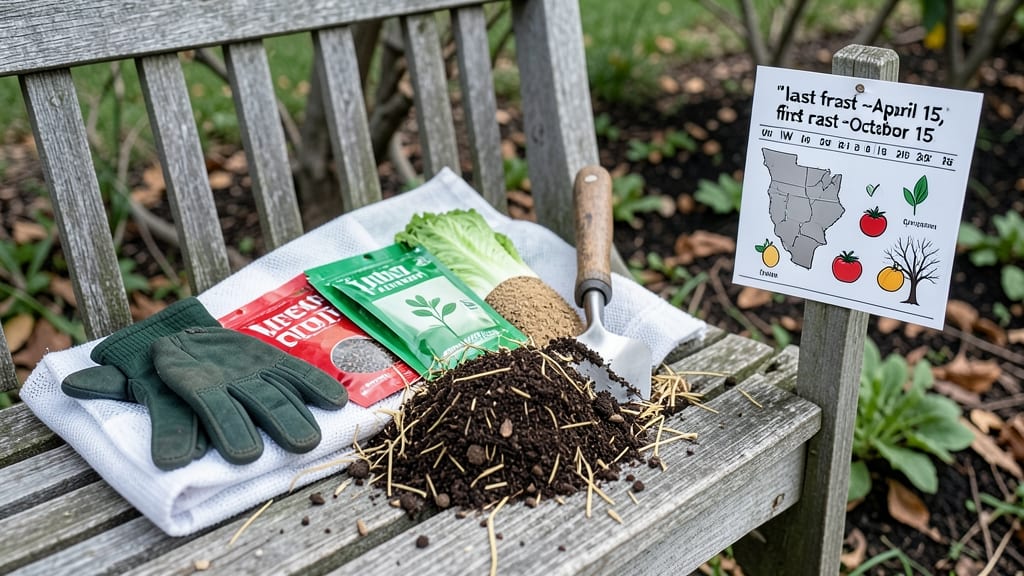
WV planting calendar by USDA zone (4-7) with frost dates
West Virginia’s USDA zones 4-7 create distinct planting windows. Northern counties (zone 4) face earlier frosts, while southern regions (zone 7) enjoy 30-45 extra frost-free days. Understanding these zones helps you time cool-season crops like spinach and warm-season plants like tomatoes perfectly.
Spring planting begins in zone 7 (late March) but waits until May in zone 4. Fall crops can extend until October in southern WV but must be in by September in the north. These differences mean your planting schedule could vary by 6-8 weeks depending on location.
Here’s how to use this calendar: Match your county to the USDA zone, then follow the monthly planting windows. For example, lettuce thrives in spring but bolts in summer heat—so plant it in March-April in zone 7 or April-May in zone 4.
🌱 Key frost dates to remember:
- Last frost (average): Zone 4 (April 15), Zone 5 (April 1), Zone 7 (March 15)
- First frost (average): Zone 4 (October 15), Zone 5 (October 10), Zone 7 (November 1)
| Zone | Last Frost | Spring Planting | Summer Planting | Fall Planting |
|---|---|---|---|---|
| 4 (Northern WV) | April 15 | May 1 - June 15 | June 15 - July 31 | August 1 - September 15 |
| 5 (Central WV) | April 1 | April 15 - May 31 | May 31 - August 15 | August 15 - October 1 |
| 7 (Southern WV) | March 15 | March 15 - May 15 | May 15 - September 1 | September 1 - October 15 |
🌱 Planting windows adjust for elevation: Add 1-2 weeks for every 1,000 ft above sea level.
Cool-season crops like broccoli, cabbage, and peas should be planted 4-6 weeks before your last frost. In zone 4, that’s March 15-April 1, while zone 7 gardeners can start as early as February 15 under row covers.
Warm-season crops like tomatoes, peppers, and cucumbers need soil temperatures above 60°F. In zone 4, wait until May 30-June 15, but zone 7 gardeners can plant April 15-May 15. Use a soil thermometer to confirm readiness.
Fall planting extends your harvest by focusing on cold-hardy crops. In zone 7, you can plant kale and carrots until October 15, while zone 4 gardeners must finish by September 1. Succession planting—sowing seeds every 2-3 weeks—maximizes yield.
🌿 Pro tip: Use frost cloth to extend spring planting by 2-3 weeks in cooler zones. For example, zone 4 gardeners can plant spinach in late March under protection, while uncovered plants would risk frost damage.
Adjust for microclimates: River valleys (like the Kanawha Valley) stay warmer, allowing 2-3 weeks earlier planting than nearby hills. Similarly, urban areas with pavement may experience 5-10°F warmer soil than rural spots.
Track your local frost dates using the National Weather Service or West Virginia State Climate Office. Historical data shows zone 4 can have late frosts until May 15, while zone 7 rarely sees frost after November 1. Plan accordingly!
Best vegetables and flowers to plant in WV by season
West Virginia’s short growing season demands strategic planting to maximize yields. In spring, focus on cool-season crops like lettuce, peas, and spinach that thrive in 50-60°F soil. These hardy plants can handle late frosts, giving you an early harvest before summer heat arrives.
For summer, switch to heat-loving crops such as tomatoes, peppers, and cucumbers, which need consistent warmth and well-draining soil to flourish. Fall is perfect for kale, broccoli, and carrots, which tolerate cooler temperatures and even light frosts.
Native flowers like black-eyed Susans and coneflowers thrive in WV’s conditions, requiring minimal care while adding vibrant color. These perennials return year after year, making them ideal for low-maintenance gardens. For annuals, try marigolds or zinnias, which bloom prolifically in WV’s 6-8 hours of summer sun.
Pairing vegetables with companion flowers, like basil with tomatoes, can deter pests and boost growth naturally.
🌱
🌱 WV Seasonal Planting Highlights
- Spring (March-May): Lettuce, peas, spinach, broccoli, pansies
- Summer (June-August): Tomatoes, peppers, cucumbers, marigolds, zinnias
- Fall (September-November): Kale, carrots, radishes, chrysanthemums, asters
- Perennials (Year-Round): Coneflowers, black-eyed Susans, lavender
Timing is critical for warm-season crops like tomatoes, which should only be planted after the last frost date (typically mid-May in most of WV). Use row covers or cold frames to extend the season for early or late plantings.
For flowers, direct sowing in spring ensures strong roots before summer heat sets in. If starting indoors, begin seeds 4-6 weeks before the last frost date for optimal transplant success.
Don’t overlook herbs like basil and cilantro, which grow well in WV’s climate. Basil thrives in full sun and warm soil, while cilantro prefers cooler temperatures and partial shade.
Both can be harvested continuously throughout the growing season. For a low-maintenance garden, prioritize drought-tolerant plants like lavender or Russian sage, which require minimal watering once established.
🌿
Plan your garden layout to stagger plantings for a continuous harvest. For example, sow radishes every 2 weeks in spring and fall to enjoy fresh produce all season. Similarly, succession planting of lettuce ensures a steady supply even as summer heat arrives.
Group plants with similar water and sunlight needs together to simplify care and improve efficiency. With the right selection and timing, your WV garden can be productive from early spring to late fall.