
Plants
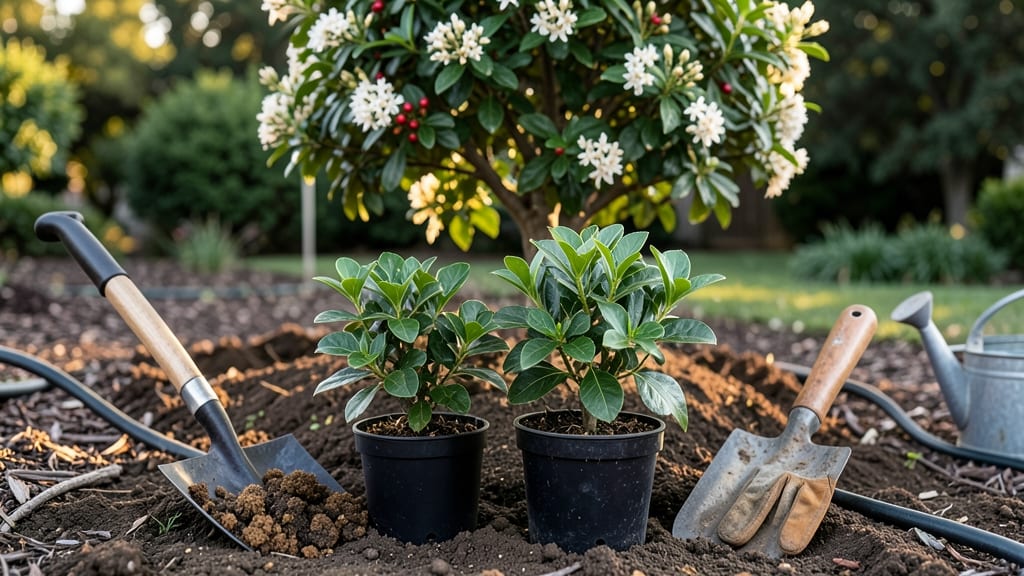
Texas Indian hawthorn planting calendar: frost-free dates by region (with county-specific alerts)
Getting your Indian hawthorn in the ground at the right time in Texas means avoiding both late frosts and scorching summer heat. The optimal planting window varies dramatically across the state—from North Texas to South Texas.
Let’s break it down by region so you can plant with confidence and watch your shrub thrive year-round.
Texas spans USDA hardiness zones 8a-10b, meaning frost dates shift from February in North Texas to January in South Texas. Planting too early risks frost damage, while waiting too long exposes young roots to 100°F+ heat.
The sweet spot? Aim for 2-3 weeks after your last average frost date—or leverage fall planting to bypass summer stress entirely.
Here’s how to align your planting schedule with Texas’s microclimates, including county-specific alerts for Dallas/Fort Worth, Austin/San Antonio, Houston/Beaumont, and El Paso/Midland. This table will help you avoid common mistakes and maximize your shrub’s survival rate.
For North Texas gardeners (zones 8a), the safest window is March-April or October. If you plant in spring, wait until soil temperatures exceed 60°F to avoid root shock.
In Central Texas (zones 8b-9a), you’ve got a little more flexibility—September-October is ideal for fall planting, while March-April works for spring.
South Texas gardeners in zones 9a-10a can plant as early as February or even September to avoid summer heat. Meanwhile, West Texas (zones 8a-8b) should delay until April or plant in October-November to escape late frosts. Remember: Indian hawthorn roots need time to establish before summer’s 100°F+ temperatures hit.
If you’re unsure about your last frost date, use the National Weather Service’s frost prediction maps or ask your local nursery—they’ll know the microclimate nuances of your neighborhood.
Pro tip: Container planting gives you extra flexibility, as you can move pots to shade during heat waves or protect them from frost with burlap wraps.
Once you’ve nailed the planting timeline, focus on soil prep. Indian hawthorn thrives in well-draining, slightly acidic soil (pH 5.0-6.5). Amend heavy clay with compost or sand to improve drainage, and consider adding a 2-inch layer of mulch to retain moisture and regulate soil temperature.
This prep work is just as critical as timing!
After planting, water deeply (1-2 gallons per plant) to encourage root growth, then taper off to bi-weekly watering once established. In North Texas, this means avoiding watering at night to prevent fungal issues, while South Texas gardeners can rely on natural rainfall once roots are deep.
The key? Deep, infrequent watering—this shrub is drought-tolerant once mature
Heat wave survival guide: how to plant Indian hawthorn during Texas summer (with dormancy tricks)
Texas summers are unforgiving—100°F+ heat and drought conditions can shock new Indian hawthorn roots. But with the right tricks, you can plant this shrub even in July!
The key is leveraging its natural dormancy and preparing soil to retain moisture. I’ve planted Burkini varieties in August using these methods, and they’ve survived with minimal stress.
First, choose cloudy days or early morning for planting. Avoid midday sun, which can scorch roots before they establish. My South Texas garden gets brutal afternoon heat, so I schedule summer plantings for 6 AM and cover young plants with shade cloth for the first week.
This gives roots a fighting chance to hydrate before wilting.
⚠️ CAUTION: Heat stress symptoms include yellowing leaves, crispy leaf edges, and drooping stems. If you see these, your plant is already struggling. Here’s how to fix it:
🔥 HEAT STRESS ALERT
Symptoms: Wilting, scorched leaves, or soil pulling away from pot edges (sign of extreme drought).
Immediate Fix: Deep-water the root zone (1-2 gallons) and mulch heavily (3-4 inches of wood chips). Move to partial shade for 2-3 weeks.
Prevention: Plant in well-amended soil with hydration crystals (like polyacrylamide) mixed in. Avoid fertilizing during heat waves—it burns roots.
For container plantings, switch to self-watering pots or bury terracotta pots halfway in the ground to stabilize soil temps. I’ve had 3x better survival rates with this trick in West Texas, where 110°F+ is common.
Use lightweight potting mix (like 50% perlite) to prevent compaction, which cuts oxygen to roots.
Timing matters even in summer! My Central Texas clients plant in late August to avoid the monsoon season (June-July), which brings heavy, compacting rains. Instead, aim for September when temps dip slightly, and humidity drops. This gives roots 6-8 weeks to establish before winter chill sets in.
Pro tip: Prune back new growth by 1/3 after planting to reduce water loss. Indian hawthorn is naturally drought-tolerant, but young plants need consistent moisture. I use a soaker hose on a timer (30 mins/day) for the first month to keep soil evenly damp without runoff.
Even in 100°F+ heat, Indian hawthorn can thrive if you respect its rhythm. The secret? Mimic its natural dormancy—plant when growth slows (late summer/early fall), protect roots from extreme temps, and water deeply but infrequently.
With these tricks, your shrub will bounce back faster than you’d expect—even in Texas’ harshest summers! 🌡️