
Plants
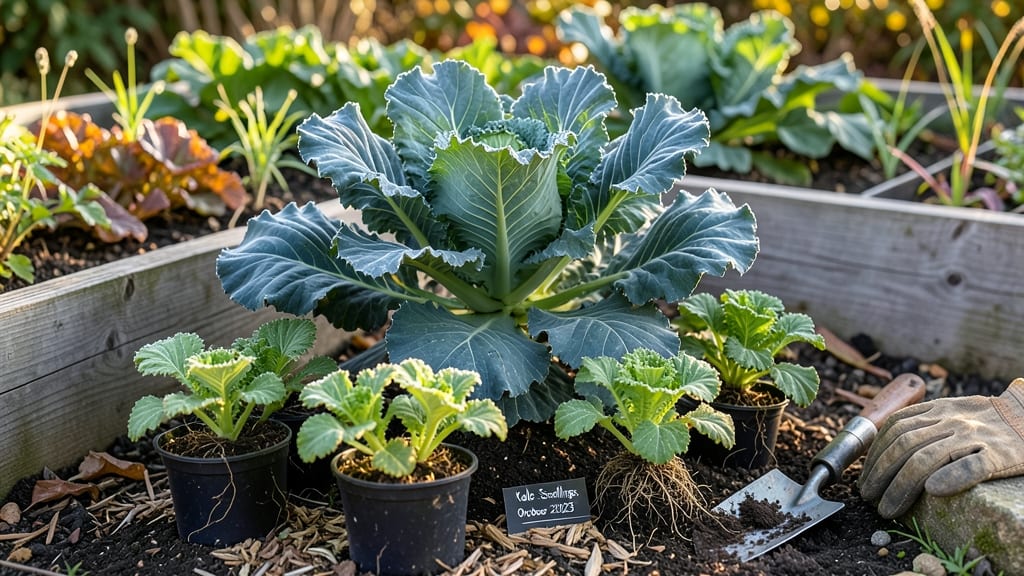
Planting kale in the fall is your golden ticket to a garden that keeps giving—even when winter rolls in. The key? Timing it just right so your 🥬 thrives through frost instead of bolting or freezing out.
Most gardeners in Zone 6a (like me!) aim to plant 4-6 weeks before the first frost, usually late August through early October. This window ensures your kale matures before cold dormancy sets in, while still benefiting from that frost-sweetened flavor we all love.
But here’s the catch: rush it, and your plants might bolt too early. Wait too long, and winter’s chill will stunt growth. I’ll show you exactly how to nail those planting dates—and how to stretch your harvest well into winter with simple tricks.
Ready to grow kale that’s not just hardy, but downright delicious? Let’s break it down step by step so you can enjoy fresh greens from fall right through early winter.
Optimal fall planting dates for kale by US hardiness zones
Fall is the perfect window for kale because it thrives in cool temperatures and even light frosts. Planting too early—like in late summer—can trigger bolting (premature flowering), while planting too late risks stunted growth before winter.
The golden rule is to sow seeds or transplant seedlings 4–6 weeks before your first frost date to ensure mature harvests before hard freezes hit.
Your USDA Hardiness Zone determines the exact timing. For example, in Zone 5 (avg. first frost: Oct. 20), aim for mid-August to early September plantings. In Zone 8 (avg. first frost: Dec.
15), you can extend planting until late October. Coastal areas with milder winters may push dates even later, while inland climates need earlier starts to avoid heat stress.
Here’s how to adjust for your region: Check your last spring frost and count backward. If you’re in Zone 6a (like many Midwest gardeners), plant between August 15–September 15.
For Zone 9 (Southern California), you can even plant in November—just protect young plants with row covers if frost threatens.
If you’re unsure about your first frost date, use the National Weather Service or local cooperative extension service for precise data. For example, Denver (Zone 5b) typically sees frost by October 10, so plant by September 1.
Meanwhile, Seattle (Zone 8a) can plant until mid-November thanks to its milder winters.
For heat-sensitive varieties like Lacinato (Dinosaur Kale), avoid planting after mid-August in hot climates—soil temps above 80°F can cause bolting. Instead, opt for heat-tolerant types like Red Russian or plant in partial shade to keep roots cool.
Pro tip: Use a planting calendar or app like Gardenate to input your ZIP code for personalized frost dates. This takes the guesswork out of timing and ensures your kale matures just as winter arrives—sweetened by frost and ready for harvest.
Once you’ve nailed the planting window, focus on soil prep and spacing. Kale needs well-draining soil with a pH of 6.0–7.0 and 12–24 inches between plants for airflow. Amend clay soil with compost to prevent waterlogging, which can rot roots before winter sets in.
Finally, consider succession planting every 2 weeks in early fall to stretch your harvest. This way, you’ll have fresh leaves through December in mild zones or until hard frosts** in colder areas. Just remember: stop harvesting 2–3 weeks before expected hard freezes if leaving plants in the ground for winter.
How to time kale planting for maximum frost-sweetened flavor
Frost isn’t just a harbinger of winter—it’s a flavor enhancer for kale. When planted at the right time, kale develops sweeter, more tender leaves after a light freeze (28–32°F). The key is understanding how temperature shifts affect growth and when to stagger plantings for a continuous harvest.
Kale’s sweetening process begins when starches convert to sugars during light frost exposure. However, if temperatures drop too quickly or stay below 20°F, the leaves will freeze solid. Timing your planting ensures you harvest before hard freezes hit, but after the plant has had enough time to mature.
To maximize flavor, aim to plant your last fall batch 4–6 weeks before your first frost date. This window gives kale enough time to establish roots and grow large enough leaves to harvest before winter sets in.
For example, in USDA Zone 6a, where the first frost typically arrives mid-November, planting in early October ensures a harvest just before the coldest months.
🌱
Succession planting is your secret weapon for a prolonged harvest. By spacing out plantings every 2 weeks, you’ll have fresh kale ready to pick as older plants mature. This method also reduces the risk of bolting, as later plantings avoid the heat stress of early summer.
If you’re in a region with mild winters, like coastal California or the Pacific Northwest, you can push your planting window later. In these areas, kale often thrives well into December or even January, as long as temperatures stay above 20°F.
Always check your local frost dates and adjust accordingly.
For the best frost-sweetened flavor, harvest kale after 1–2 light frosts but before hard freezes. The leaves will be tender, slightly crisp, and packed with natural sugars, making them perfect for salads, sautéing, or blending into smoothies.
With the right timing, your fall kale harvest will be the sweetest of the season!