
Plants
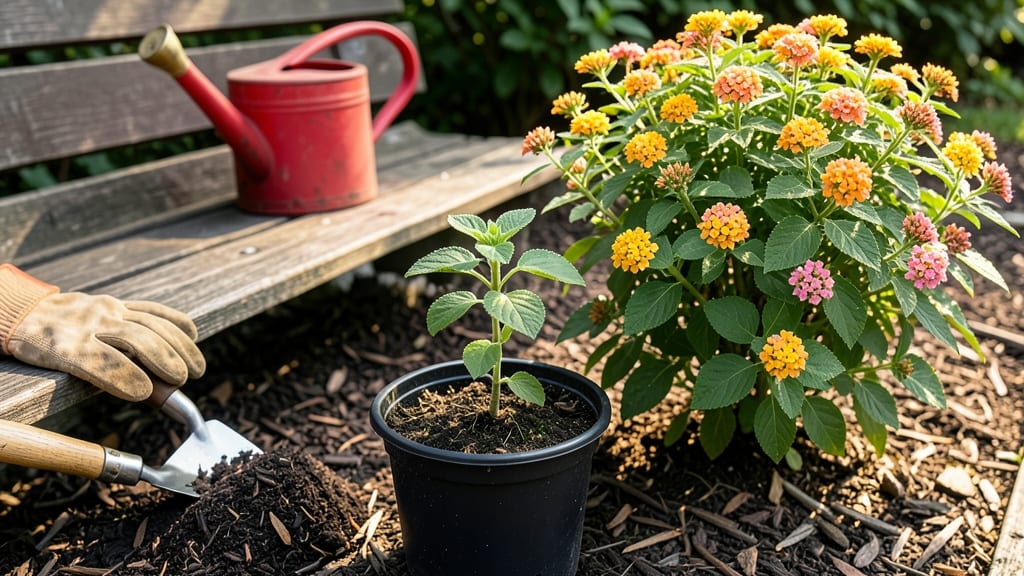
Timing is everything when it comes to growing lantana 🌸 in Georgia, and planting it at the wrong moment could mean missing out on its stunning year-round blooms. Unlike delicate annuals, lantana loves the heat and thrives in Georgia’s 7a-8b zones—but only if you get the schedule right.
Most gardeners make the mistake of rushing in too early, only to watch their plants struggle with late frosts or wilt in Georgia’s sweltering summers. The secret? Plant after the last frost, typically between late March and April, when soil temperatures hit at least 60°F.
But there’s a second chance too—late summer planting in September or October gives lantana time to establish roots before winter.
Why does this matter? Because a well-timed planting means fewer pests, more vibrant flowers, and a shrub that practically takes care of itself. I’ll walk you through the exact steps to prepare your soil, space your plants, and keep them blooming from June through October—no guesswork required.
Ready to enjoy a low-maintenance, drought-resistant garden favorite that attracts butterflies and hummingbirds? Let’s get started with the perfect planting schedule for Georgia’s climate.
Best planting times for lantana in Georgia’s climate zones
Georgia’s USDA zones 7b-8a offer two ideal windows for planting lantana: early spring and late summer. Timing is critical—plant too early, and frost damage risks your young shrubs; too late, and summer’s heat can stress them before rooting.
Let’s break down the best strategies for each zone and planting method.
For spring planting, aim for mid-March to early May after Georgia’s last average frost date (March 15). This gives lantana’s roots 6-8 weeks to establish before summer’s peak heat. In Zone 8a (coastal areas like Savannah), you can start as early as February—just monitor soil temps.
Fall planting is less common but works well in September-October for a second flush of blooms next spring. This strategy leverages Georgia’s mild winters—lantana can handle brief dips to 20°F but prefers above 30°F. Avoid planting after October 15, or new growth may not harden off before winter.
| Planting Window | Zone 7b (North GA) | Zone 8a (Coastal GA) | Key Consideration |
|---|---|---|---|
| Spring Planting | March 15–April 30 | February 15–May 15 | Soil temps ≥60°F; avoid late frost |
| Fall Planting | September 1–October 15 | September 15–November 1 | 6+ weeks before first frost |
| Direct Sowing | April–May only | March–June | Seeds need consistent warmth |
| Transplanting Seedlings | March–May or Sept–Oct | February–May or Sept–Nov | Hardened-off plants only |
Transplanting seedlings (from nurseries) gives you a head start—just ensure they’re hardened off (acclimated to outdoor temps) for 7-10 days before planting. For direct sowing, start seeds indoors 6-8 weeks before your last frost date, then transplant outdoors after April 15 in most of Georgia.
Pro tip: In Zone 7b (e.g., Atlanta), use black plastic mulch in early spring to warm soil faster. In Zone 8a (Savannah), prioritize afternoon shade during May-June to prevent heat stress on young plants.
Both zones benefit from well-draining soil—amend clay-heavy Georgia soil with compost or sand for best results.
Lantana’s drought tolerance kicks in after 60 days, but newly planted shrubs need consistent moisture for root establishment. Water deeply 2-3 times per week for the first month post-planting, then taper to weekly deep waterings.
Mulch with 2-3 inches of pine straw to retain moisture and regulate soil temps.
Georgia’s microclimates matter—urban areas like Atlanta can be 5-10°F warmer than rural zones, delaying frost dates. Check your local Cooperative Extension Service for precise frost data. For example, Athens (Zone 7b) averages its last frost March 22, while Brunswick (Zone 8a) rarely sees frost after January.
If you’re container gardening, plant anytime the soil stays above 55°F. Containers dry out faster, so use self-watering pots and fertilize every 4-6 weeks with a balanced 10-10-10 mix. Just avoid planting in terracotta pots—they dry out too quickly for lantana’s needs.
Remember: Lantana’s continuous blooms start 60-90 days after planting, but timing your schedule right ensures year-round color in Georgia’s heat. Spring-planted lantana will flower by June, while fall-planted varieties may bloom as early as next March.
Best planting times for lantana in Georgia’s climate zones
Georgia’s USDA zones 7b-8a offer two ideal windows to plant lantana—spring and fall—each with unique advantages.
Spring planting (after the last frost, typically late March to April) gives your lantana a head start for summer blooms, while fall planting (late September to October) lets roots establish before winter.
Both strategies work, but timing depends on your microclimate—whether you’re in Atlanta’s cooler hills or Savannah’s coastal warmth.
For spring planting, wait until soil temperatures hit 60°F (15°C)—usually after March 15. This ensures roots don’t suffer from Georgia’s unpredictable late frosts. In fall, plant 6-8 weeks before the first frost (around November 15) to allow roots to anchor before dormancy.
Lantana’s heat tolerance makes it perfect for Georgia’s long summers, but getting the timing right maximizes your first year of blooms.
| Planting Window | Best For | Soil Temp | Frost Risk | Bloom Time |
|---|---|---|---|---|
| Late March - April | Spring growth | 60°F+ | Low (after frost) | Summer-Fall |
| Late September - October | Fall root growth | 55°F+ | Moderate (pre-frost) | Next spring |
If you’re transplanting seedlings, spring is your best bet—lantana grows 1-2 feet in its first year when planted early. For direct sowing, fall is ideal because cooler temps reduce transplant shock.
Georgia’s humid summers can stress young plants, so give them a head start by planting in well-draining soil with compost mixed in to improve drainage.
Pro tip: In Zone 8a (coastal Georgia), you can plant as late as May and still get summer blooms, but avoid planting after June 1—the heat will stress young roots.
For Zone 7b (north Georgia), stick to the March-April window to avoid late frosts that can damage tender new growth.
One mistake I see often is planting lantana too early in spring, when soil is still cold. Use a soil thermometer to confirm temps—lantana roots won’t thrive below 55°F (13°C).
If you’re in doubt, wait until mid-April to be safe. Patience here pays off with vibrant, continuous blooms all summer long.
Remember, lantana’s drought resistance is a major perk, but young plants still need consistent moisture for the first 4-6 weeks after planting. Mulch around the base to retain moisture and suppress weeds—this is especially critical in Georgia’s clay-heavy soils, which can bake hard in summer.