
Plants
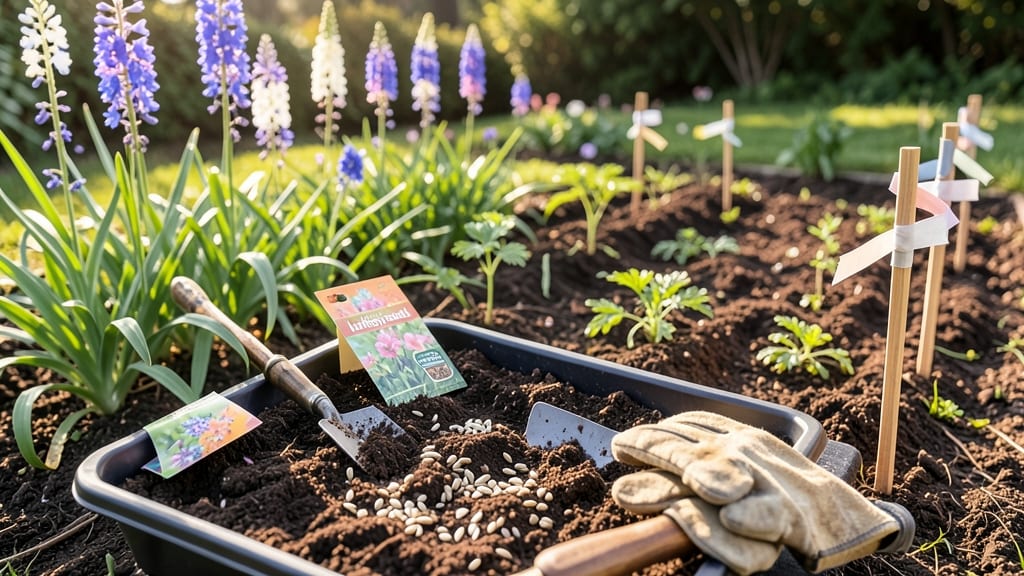
Best planting windows for larkspur seeds in Zone 6’s climate
In Zone 6, larkspur seeds thrive when planted during two distinct windows: early spring and late summer. These timing strategies account for the region’s average last frost date (mid-April) and first frost (mid-October), ensuring seeds germinate in optimal temperatures.
Let’s break down the best approach for each window to maximize your bold, spiky blooms.
For spring planting, aim to sow seeds 4-6 weeks before your last frost date—typically late March to early April. This timing gives seeds time to cold-stratify naturally in the soil, a critical step for breaking dormancy.
Larkspur seeds require consistent soil temperatures between 40°F and 50°F to germinate successfully, which aligns perfectly with Zone 6’s spring conditions.
If you prefer fall planting, late summer (around August) is ideal. This method leverages the natural cooling trend of autumn, mimicking the cold stratification process. Planting in August ensures seeds experience mild frost exposure before winter, priming them for vigorous growth in spring.
However, avoid planting too late—after September 15th—as seeds may not complete stratification before freezing temperatures arrive.
| Planting Window | Ideal Months (Zone 6) | Soil Temperature | Key Consideration |
|---|---|---|---|
| Spring Planting | Late March - Early April | 40°F - 50°F | Avoid frost; seeds need moisture |
| Fall Planting | Late August | 50°F - 60°F | Seeds need mild frost exposure |
| Avoid Planting | September 15th+ | N/A | Seeds won’t stratify before winter |
Zone 6’s climate varies significantly between its northern and southern regions. In northern Zone 6 (e.g., Chicago, Buffalo), last frost dates can occur as late as May 1st, so adjust your planting window to late April.
Conversely, southern Zone 6 (e.g., Nashville, Richmond) typically sees last frosts by April 1st, allowing for earlier sowing in mid-March. Always check your local frost dates—tools like the National Weather Service or Old Farmer’s Almanac provide reliable forecasts.
Before planting, prepare your soil to ensure larkspur seeds have the best chance to thrive. Larkspur prefers well-draining, slightly alkaline soil with a pH between 6.5 and 7.5. Amend heavy clay soils with compost or sand to improve drainage, and avoid fresh manure, which can burn delicate seedlings.
A light mulch after planting helps retain moisture and regulate soil temperature, especially in dry spring conditions common in Zone 6.
One pro tip for Zone 6 gardeners: stagger your plantings. Sow a portion of seeds in late March and another in early April to extend your blooming season.
This technique ensures a continuous display of larkspur flowers from late spring through summer, giving you cutting garden material for weeks. Just be mindful of pests like slugs and aphids, which are more active during warm, moist springs—use row covers or neem oil to protect young seedlings.
If you’re new to growing larkspur, start with a small batch of seeds to test your timing. Larkspur seeds can be finicky about germination, so don’t be discouraged if your first attempt yields sparse results.
With practice, you’ll nail the perfect planting window for your specific microclimate. Once established, larkspur is drought-tolerant and low-maintenance, making it a rewarding addition to any Zone 6 garden.
Remember, patience is key—larkspur seeds can take 2-3 weeks to germinate, and seedlings grow slowly at first. But once they establish, you’ll be rewarded with tall, dramatic spikes of purple, blue, or pink blooms that add vertical interest to borders and cutting gardens.
With the right timing, your Zone 6 garden will be a showstopper come summer!
Best planting windows for larkspur seeds in Zone 6’s climate
Zone 6’s cool springs and warm summers create perfect conditions for larkspur (Consolida ajacis), but timing your planting is critical. Larkspur seeds need cold stratification—a natural winter chilling period—to germinate properly.
Plant too early, and frost will kill tender seedlings; too late, and you’ll miss their summer-long blooms.
For most of Zone 6, the ideal planting window spans from late February to early April for spring blooms. This aligns with soil temperatures warming to 40–50°F, which triggers germination without risking frost damage.
Southern parts of Zone 6 (like Virginia or Kentucky) can start as early as mid-February, while northern areas (like Wisconsin or Upstate New York) should wait until late March.
🌱 Comparison Table: Larkspur Planting Windows in Zone 6
| Planting Window | Soil Temp | Frost Risk | Bloom Time |
|---|---|---|---|
| Late February (Southern Zone 6) | 40–45°F | Low (after mid-April) | June–July |
| March–Early April (Northern Zone 6) | 45–50°F | Moderate (late frost risk) | June–August |
| Late Summer (August) | 60–70°F | None (fall blooms) | September–Frost |
Don’t overlook late summer planting (August)—this strategy extends your blooms into fall! Larkspur seeds sown in August will germinate slowly over winter and produce late-season flowers just as other annuals fade. This works best in northern Zone 6, where summers are shorter.
For cutting gardens, stagger plantings every 2–3 weeks in spring to ensure a continuous supply of long-stemmed blooms. Use a seed starting tray indoors under grow lights if your spring is unusually cold, but transplant seedlings outdoors only after soil warms to 50°F to avoid shock.
Pro tip: Test your soil’s moisture retention before planting. Larkspur hates soggy soil—amend heavy clay with compost or sand to improve drainage. A well-draining, slightly alkaline soil (pH 6.5–7.5) is ideal for robust germination.
Missed the spring window? Don’t despair—fall planting (late August to early September) can still yield blooms next year. The seeds will overwinter naturally, just like they would in their native Mediterranean climate. Just mulch lightly to protect them from harsh winters.