
Plants
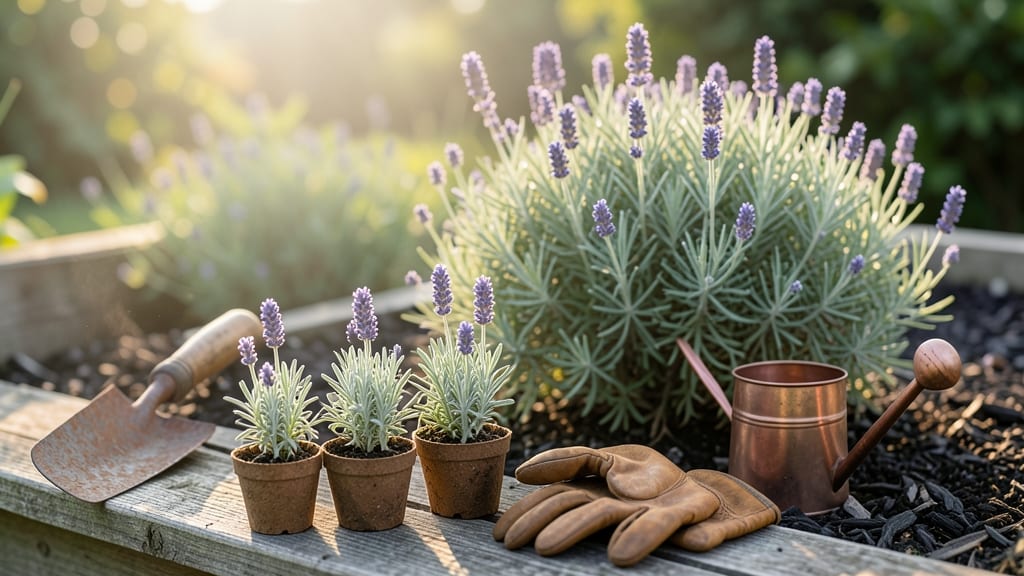
Optimal planting windows for Indiana’s Hardiness Zones 5-6: spring vs. fall timing
Indiana’s USDA Hardiness Zones 5b-6b create a delicate balance for lavender lovers. The perfect planting windows are early to mid-spring (March–April) or early fall (September–October), when soil temperatures and frost risk align with lavender’s needs.
Planting at the wrong time—like soggy spring soil or late fall frosts—can stunt growth or kill your plant before it establishes.
In Northern Indiana (Zone 5b), aim for late April to early May in spring, when soil warms to 50°F (10°C). For Southern Indiana (Zone 6b), you can plant 2–3 weeks earlier (early April).
Fall planting works best from mid-September to early October, giving roots time to establish before winter dormancy.
Lavender thrives on well-draining soil and full sun (6+ hours daily). Indiana’s clay-heavy soils often need amending with sand or gravel to prevent root rot. Test your soil’s pH (6.5–7.5 is ideal) and adjust with lime or sulfur if needed.
Here’s how Indiana’s microclimates affect timing: Urban areas (like Indianapolis) may have warmer microclimates than rural zones, allowing slightly earlier spring planting. Conversely, northern Indiana’s shorter growing season demands fall planting by mid-October to avoid winter damage.
| Season | Best Planting Month | Soil Temp | Key Consideration |
|---|---|---|---|
| Spring | March–April (Zone 6b) / April–May (Zone 5b) | 50°F (10°C)+ | Avoid frost; amend clay soil |
| Fall | September–October | 60°F (15°C)+ | 6–8 weeks before first frost |
| Avoid | Late May–August | N/A | High heat stress; poor root establishment |
For container-grown lavender, transplant after the last frost (typically mid-April in Indiana). Gently remove plants from pots, loosen roots, and space them 18–24 inches apart in well-draining soil. Water deeply after planting to settle roots, but avoid overwatering—lavender hates soggy conditions.
Mulch with gravel or coarse sand (not organic mulch) to improve drainage and retain heat. This is especially critical in Indiana’s humid summers, where organic mulch can suffocate roots. A 3-inch layer of gravel around the base also deters weeds and regulates soil temperature.
If you miss the ideal windows, fall planting is safer than spring. Lavender planted in late October may not establish well, but a well-mulched, sheltered spot can help it survive. For spring plantings, harden off potted lavender for 7–10 days before transplanting to reduce shock.
Pro tip: Use a soil thermometer to confirm soil temps. Lavender roots struggle below 45°F (7°C), so wait for consistent warmth. In Zone 5b, this often means delaying until late April.
🌿
Optimal planting windows for Indiana’s Hardiness Zones 5-6: spring vs. fall timing
Indiana’s USDA Hardiness Zones 5b-6b create a delicate balance for lavender planting, where timing directly impacts survival and blooming success. The ideal windows are early to mid-spring (March–April) or early fall (September–October), but regional microclimates—like colder northern Indiana vs. milder southern areas—demand flexibility.
For example, Northern Indiana (Zone 5b) should wait until after the last frost (mid-April), while Southern Indiana (Zone 6b) can start as early as late March.
Spring planting offers lavender time to establish roots before summer heat, but soil temperatures below 50°F can stunt growth. Fall planting, however, lets plants root before winter dormancy, reducing transplant shock.
My personal trick is to plant in September—just 4–6 weeks before the first frost—to give roots time to anchor without competing with summer’s intensity.
🌱 Indiana Lavender Planting Comparison
| Season | Best Months | Soil Temp | Key Consideration |
|---|---|---|---|
| Spring | March–April | 50°F+ | Avoid soggy soil; wait for last frost. |
| Fall | September–October | 60°F+ | Plant 4–6 weeks before frost for root growth. |
💡 Pro Tip: Test soil moisture—lavender hates wet feet. Amend clay soil with sand or gravel to improve drainage.
For Northern Indiana gardeners, prioritize fall planting in September to avoid spring’s unpredictable frosts. In Southern Indiana, early spring (late March) works, but monitor soil warmth—use a soil thermometer to confirm it’s above 50°F.
I’ve seen lavender planted too early in Zone 5b struggle with root rot from lingering cold and moisture. Always mulch lightly (1–2 inches) with gravel or straw to protect roots and retain warmth.
Transplanting potted lavender? Time it for overcast days in spring or fall to reduce stress. Remove the plant from its pot, loosen roots gently, and place it in a hole twice as wide as the root ball.
Water deeply immediately after planting to settle soil and eliminate air pockets. Avoid fertilizing for 6–8 weeks—lavender prefers lean soil and thrives with minimal intervention.
One common mistake in Indiana is planting lavender in heavy clay soil without amending it. Native soils here are alkaline and dense, which lavender despises. Mix in sand, perlite, or composted pine bark to create a well-draining, slightly acidic (pH 6.5–7.5) environment.
I’ve had firsthand success with raised beds filled with a 50/50 mix of native soil and coarse sand—this mimics lavender’s Mediterranean habitat and prevents waterlogging.
Finally, microclimates matter. Urban areas like Indianapolis may experience heat islands, while rural spots near Lake Michigan stay cooler. Observe your yard’s sun exposure and wind patterns: lavender needs full sun (6+ hours daily) and good airflow to prevent fungal diseases.
If your site is shady, consider container growing near a south-facing wall or patio for maximum light.