
Lawn
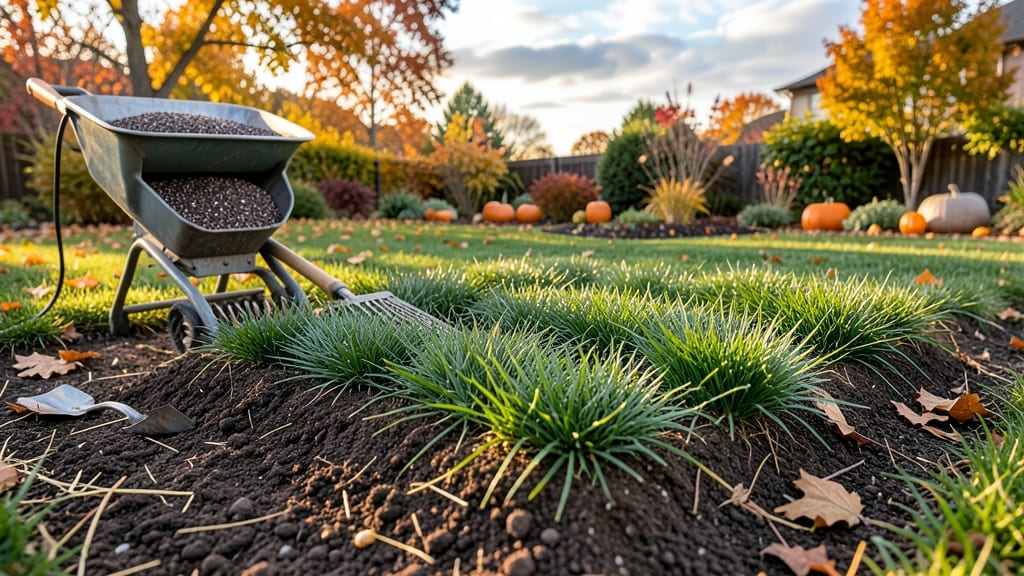
Timing your lawn seed planting in the fall can make or break your grass's success—get it wrong, and you'll end up with patchy, weak growth that struggles to survive winter.
The 4-6 week window before frost isn't just a suggestion; it's the sweet spot where cooler temps and increased rainfall give your 🌱 lawn grass the perfect conditions to establish deep, resilient roots.
If you're in USDA Zone 6 (like most of the Midwest and Northeast), aim for early September to mid-October—this gives your seeds time to germinate before the ground freezes. But here's the catch: soil temperature matters more than the calendar.
You want it between 50-70°F, which is why fall planting often outperforms spring attempts where weeds and heat can sabotage your progress.
What sets fall apart is how it outsmarts common problems. Weeds? Less competition when you plant in cooler months. Drought stress? Rainfall typically increases, giving your new grass a hydration boost.
And those strong roots you hear about? They develop faster in fall, setting your lawn up for a head start when spring rolls around.
Ready to skip the guesswork? I'll walk you through exactly how to read your local climate cues, prep your soil like a pro, and avoid the 3 biggest mistakes that turn fall planting into a gamble. Let's get that lawn growing right—without the trial and error.
Best fall planting dates by US hardiness zone and soil temperature
Fall planting gives your lawn a head start on spring growth, but timing is everything. The ideal window is 4-6 weeks before your first frost, when soil temps stay between 50-70°F.
This ensures seeds germinate before winter dormancy. Let’s break it down by USDA hardiness zones so you know exactly when to act in your area.
Cool-season grasses like tall fescue, ryegrass, and bluegrass thrive in fall’s mild temperatures. If you plant too early, weeds may outcompete your seedlings. Too late, and frost will stunt growth before roots establish. Here’s how to nail the perfect timing for your zone.
🌱 PRO TIP: Use a soil thermometer to confirm temps are in the 50-70°F range before planting. Early mornings are best for checking—soil cools overnight.
🌡️ Fall Lawn Planting by Zone & Soil Temp
| Zone | Ideal Planting Window | Soil Temp Range (°F) | Grass Types | Notes |
|---|---|---|---|---|
| 3-4 | Mid-August to Early September | 50-60°F | Tall Fescue, Perennial Ryegrass | Short window—act fast! |
| 5-6 | Early September to Mid-October | 55-65°F | Kentucky Bluegrass, Fine Fescue | Best balance of warmth and moisture. |
| 7-8 | Late August to Early November | 60-70°F | Bermuda (warm-season), Tall Fescue | Southern zones can plant later. |
| 9-11 | September to Early November | 65-75°F | St. Augustine, Zoysia | Warm winters allow later planting. |
⚠️ REGIONAL EXCEPTION: Pacific Northwest and Alaska may need to plant earlier (July-August) due to cooler soils.
If you’re in Zone 5 or 6 (like much of the Midwest), aim for early September. This gives seeds 6-8 weeks to germinate before frost. In Zones 7-9, you can push it to late October—just monitor soil temps closely.
Southern zones (10+) can even plant in November if temps stay mild.
Missed the window? Don’t panic. Spring planting is possible, but fall is ideal because cooler temps reduce weed competition and water stress. Your grass will also establish deeper roots before summer heat hits.
For warm-season grasses (like Bermuda or Zoysia), fall is still great—but focus on late summer to early fall (August-September) to avoid winter dormancy. These grasses need warmer soil (65°F+) to germinate quickly.
🌿 KEY BENEFIT: Fall-planted lawns often outperform spring plantings by 30-50% due to reduced stress and stronger root systems. That’s a lush lawn with less effort!
Best fall planting dates by US hardiness zone and soil temperature
Fall planting gives your lawn a head start on spring growth, but timing matters. Cool-season grasses like tall fescue and Kentucky bluegrass thrive when soil temps stay between 50-70°F.
Plant too early, and weeds steal the show; too late, and frost stunts roots. Let’s break it down by USDA zone so you know exactly when to act.
Your local frost date is your best guide. Aim to plant 4-6 weeks before the first frost—this gives seeds time to germinate and establish roots before winter slows things down.
For example, in Zone 5, that’s usually mid-September to early October, while Zone 8 can stretch until late October or early November.
Here’s a quick reference for ideal soil temperatures by zone. Use a soil thermometer (just $10 at garden centers) to check—dig 2 inches deep in the shade for the most accurate reading.
Southern states (Zones 9-11) can plant later because milder winters reduce frost risk. But avoid planting in summer heat—seeds dry out fast. In northern zones (3-6), early fall is critical. If you miss the window, wait until early spring (as soon as soil thaws).
Pro tip: If your area gets early frosts, opt for perennial ryegrass—it germinates faster (5-10 days) than fescue (14-21 days), giving you a buffer. For slow-growing grasses like fine fescue, plant on the earlier side of your zone’s window.
Don’t forget: Soil temp > air temp. A crisp fall day might feel chilly, but the ground could still be warm. Check temps morning and evening for consistency. If nights dip below 40°F, hold off until temps stabilize.