
Plants
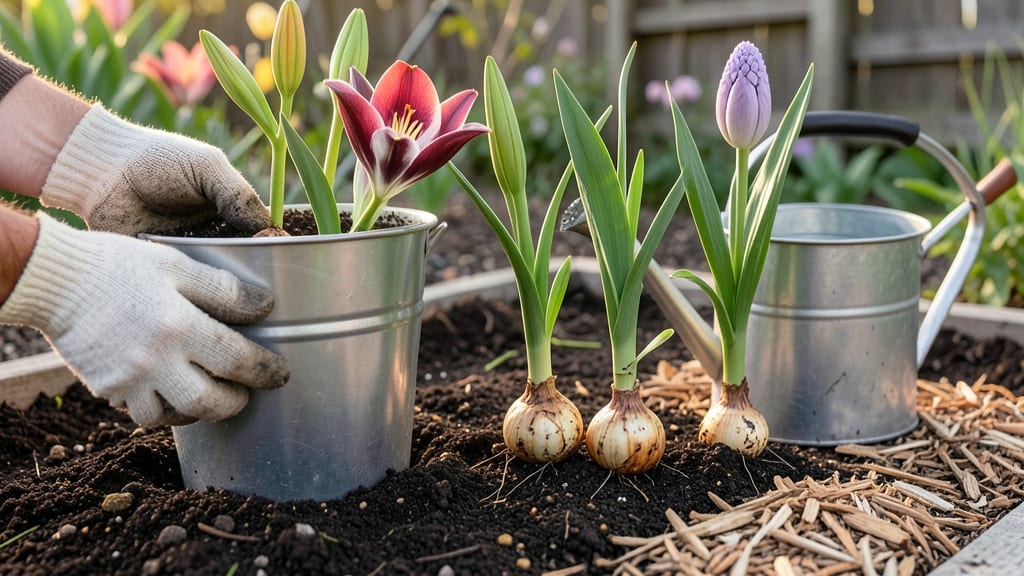
Planting lilies in Michigan at the wrong time can mean the difference between stunning 🌸 blooms next summer and wasted effort. The perfect window—late summer to early fall or early spring—lets these hardy flowers establish roots before Michigan’s unpredictable frosts hit.
I’ve seen firsthand how a few weeks’ difference can change everything: plant too early, and your bulbs may rot; too late, and they won’t have time to grow strong before winter.
For Zone 5-6 gardeners, timing isn’t just about the calendar—it’s about soil temperature, frost dates, and even your local microclimate.
In this guide, I’ll break down the exact months to plant for reliable blooms, plus pro tips to adjust for Michigan’s variable weather. Whether you’re a first-time gardener or a seasoned pro, these strategies will help you avoid common mistakes and enjoy healthier lilies year after year.
Ready to transform your garden? Let’s dive into the best planting schedule—so you can skip the guesswork and start planning your showstopping displays today.
Best planting months for lilies in Michigan’s Zone 5 climate
Michigan’s Zone 5 climate means lilies need precise timing—plant too early, and they’ll rot in cold soil; too late, and they’ll struggle to establish roots before winter. The ideal window is late summer to early fall, but spring planting works too if you follow local frost dates.
Most Michigan gardeners swear by September planting for the best root growth before dormancy.
For fall planting, aim for 4-6 weeks before the first frost (typically mid-September to early October in most of Michigan). This gives bulbs time to root deeply before the ground freezes.
In southern Michigan (Zone 6), you might push planting to early November, but northern areas (Zone 4b) should finish by late September.
Spring planting is riskier but works if you plant as soon as the ground thaws (mid-April in most areas). Wait until soil temperatures reach 50°F (10°C)—use a soil thermometer to check. Planting too early in cold soil can cause rot, especially for Oriental lilies, which are more sensitive.
🌱 Key Tip: Michigan’s variable weather means flexibility is key. If your area had an early frost, plant bulbs in containers and bury them in the garden later, or wait for spring.
Lily bulbs need well-draining soil to prevent rot. In Michigan’s clay-heavy soils, mix in compost or sand before planting. Choose a location with 6+ hours of sunlight, though some varieties tolerate partial shade. Mulch after planting to protect roots from temperature swings.
Here’s a quick reference for Michigan’s planting zones and ideal months:
Different lily varieties have unique needs. Asiatic lilies are the hardiest and bloom earliest, making them ideal for Michigan’s short season. Oriental lilies, like ‘Stargazer,’ need warmer soil and may require black plastic mulch in colder zones to speed up root growth. Trumpet lilies (like ‘Regale’) are more cold-tolerant but benefit from well-draining soil to prevent winter rot.
If you’re unsure about your last frost date, check local records or use the Michigan State University Extension frost calendar. Planting too late in fall can leave bulbs vulnerable to rodents or frost heave, while spring planting risks late frosts damaging new shoots.
For peace of mind, fall planting is the safest bet for most Michigan gardeners.
Pro tip: Store bulbs in a cool, dry place (like a garage) if you can’t plant them immediately after purchase. Avoid refrigeration, as lilies need a dormancy period to prepare for growth. Once planted, water deeply to encourage root establishment, but avoid overwatering—lilies hate soggy soil.
With the right timing, your lilies will reward you with bold blooms from July to August, adding height and drama to your Michigan garden. Just remember: patience pays off—lilies take 1-2 years to reach full maturity, but the wait is worth it for those show-stopping flowers! 🌷
Best planting months for lilies in Michigan’s Zone 5 climate
Michigan’s Zone 5 climate means timing is critical for lilies—plant too early, and bulbs rot in cold soil; too late, and they won’t establish roots before winter. The ideal window is late summer to early fall, when soil stays warm but frosts aren’t imminent.
For most Michigan gardeners, August through early September is perfect, but spring planting (early April) works too if you’re in a warmer microclimate.
Lilies need 6-8 weeks to root before winter sets in. In Michigan, this means planting 4-6 weeks before the first frost (typically mid-October). Asiatic lilies and Trumpet lilies handle fall planting best, while Oriental lilies prefer slightly earlier timing to avoid stress.
Always check your local frost dates—some years, early October frost can sneak up sooner than expected.
🌱 Michigan Lily Planting Timeline
| Season | Planting Window | Soil Temp | Notes |
|---|---|---|---|
| Fall | Mid-August to early September | 50-60°F | Best for bulb establishment |
| Spring | Early April (after last frost) | 55-65°F | Risk of rot if planted too early |
| Late Spring | May (emergency only) | 60°F+ | Reduced blooms; not ideal |
Spring planting in Michigan has one critical rule: wait until the soil warms to at least 55°F (usually early April). Planting too soon risks bulb rot from cold, soggy soil. If you miss fall planting, late April is your last chance—but expect smaller blooms that first year.
For reliable results, I always prioritize fall planting and use mulch to protect bulbs through winter.
Michigan’s northern regions (like Traverse City) have shorter growing seasons, so aim for August 15-September 1. Southern areas (like Detroit) can extend planting until mid-October if soil stays workable. Test your soil’s drainage first—lilies hate soggy conditions. Amend heavy clay with compost or sand to prevent rot.