
Trees
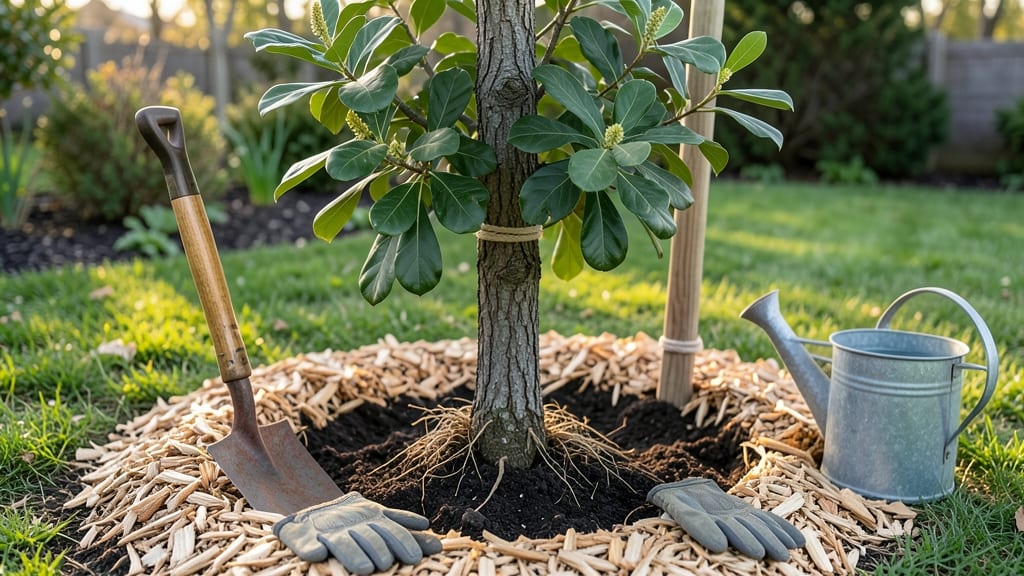
Planting a Live Oak Tree 🌳 in Texas isn’t just about timing—it’s about giving your tree the best chance to thrive in the state’s brutal heat and unpredictable weather patterns. The right months can mean the difference between a struggling sapling and a majestic, decades-long shade provider.
If you’ve ever wondered why some trees take root while others wither, the answer often lies in understanding Texas’ unique climate zones. From North Texas’ late frosts to South Texas’ early heat waves, knowing when to plant your Live Oak Tree ensures strong root establishment before summer arrives.
I’ve seen firsthand how planting outside the ideal window can lead to transplant shock or stunted growth. But don’t worry—this guide will walk you through the perfect months for your region, plus critical tips to prepare your tree for Texas’ challenges.
Whether you’re transplanting a sapling or planting an acorn, we’ll cover everything you need to know to set your Live Oak Tree up for success. Let’s get started!
Best planting months for live oak trees in Texas by region
Texas’ diverse climate means the best time to plant live oak trees varies dramatically from East Texas to West Texas. In North Texas (USDA Zones 7b-8a), your window is tight—plant between November 15 and March 15 to avoid late frosts.
Meanwhile, South Texas (Zones 9a-10a) offers a more forgiving October to April window, with February and March being ideal for root establishment before summer’s brutal heat arrives.
West Texas gardeners face the harshest conditions—plant between November 1 and February 15—but prioritize soil moisture retention since drought stress is a major risk. Central Texas (Zones 8a-8b) falls in the middle, with December to March as the sweet spot for minimal transplant shock and strong early growth.
Here’s how to match your region’s frost dates and rainfall patterns for peak success:
| Region | USDA Zone | Ideal Planting Window | Key Consideration |
|---|---|---|---|
| East Texas | 8a-9a | November 15 – March 15 | Avoid spring planting; high humidity increases fungal risks. |
| Central Texas | 8a-8b | December 1 – March 15 | Soil warms quickly; plant early to prevent drought stress. |
| West Texas | 7b-8a | November 1 – February 15 | Prioritize deep watering; alkaline soils need gypsum amendments. |
| South Texas | 9a-10a | October 1 – April 15 | Longer window; focus on late fall for best root growth. |
For East Texas gardeners, I recommend planting in February—this gives roots time to establish before the humid summer sets in.
In Central Texas, aim for January to early February to beat the 100°F+ heat that arrives by May. West Texas plantings should happen by mid-February at the latest, with drip irrigation in place before the first 105°F week.
Pro tip: Bare-root saplings planted in winter outperform container-grown trees in Texas’ heat. The cooler soil temperatures reduce transplant shock, and spring rains help jumpstart growth. Just avoid planting after March 15 in most regions—summer’s arrival means water stress becomes a death sentence for young oaks.
If you’re in South Texas, extend your window into April, but monitor soil moisture closely. The Edinburg area (Zone 9a) can still experience 95°F soil temps by late April, which stunts root growth. Use mulch rings to insulate roots and retain 2-3 inches of moisture at all times.
Remember: Live oaks are long-term investments. A tree planted in February in North Texas may take 3-5 years to fully establish, but it’ll reward you with 100+ years of shade if given the right start. Don’t rush—patience in planting pays off in decades of shade.
🌳
Critical factors that determine live oak planting success in Texas
Texas’s climate throws curveballs at live oak trees—drought stress, alkaline soil, and extreme heat can make or break your planting success. Unlike cooler climates, timing isn’t just about frost-free windows; it’s about soil moisture, temperature thresholds, and wind exposure.
Let’s break down the non-negotiables that separate thriving oaks from struggling saplings.
First, soil moisture is critical during the first 12-18 months after planting. Live oaks need consistent moisture in their root zone to establish deep roots before summer arrives. Plant too late, and you risk drought stress before roots can anchor.
Texas’s alkaline soil (pH 7.5-8.5) also demands attention—amend with compost or sulfur to improve drainage and nutrient availability.
⚠️ Warning: Don’t Plant in These Conditions
- Soil temps above 80°F – Roots struggle to establish.
- Drought conditions – Young trees can’t handle Texas heat without moisture.
- High winds (West Texas) – Saplings need staking or windbreaks.
Avoid planting when soil temps exceed 80°F or during prolonged dry spells. Monitor rainfall patterns—plant when 3+ inches of rain is forecasted in the next 4-6 weeks.
Next, temperature thresholds dictate your planting window. Live oaks prefer soil temps between 60°F and 75°F—ideal for root growth without stress. In North Texas (USDA Zones 8a-8b), aim for November to February when nights stay cool.
In South Texas (Zones 9a-10a), stretch planting to March but avoid April’s scorching heat. Use a soil thermometer to check temps before planting.
Wind exposure is another silent killer. West Texas’s dry winds desiccate young leaves, while Gulf Coast humidity can promote fungal diseases. If planting in open areas, use windbreaks or temporary staking until roots establish.
Mature live oaks handle wind, but saplings need 3-5 years of protection to develop sturdy trunks.
Finally, avoid planting during extreme weather events. Texas’s unpredictable storms, hail, or flash floods can uproot young trees. Check the National Weather Service for 7-day forecasts before digging—clear skies and moderate temps are your best allies.
With these factors in mind, you’ll give your live oak the fighting chance it deserves.
Now that you know the critical factors, let’s tackle pre-planting prep—because even the best timing won’t save a poorly prepared tree. Stay tuned for my next section on acclimating saplings and amending Texas soil for peak survival rates.