
Plants
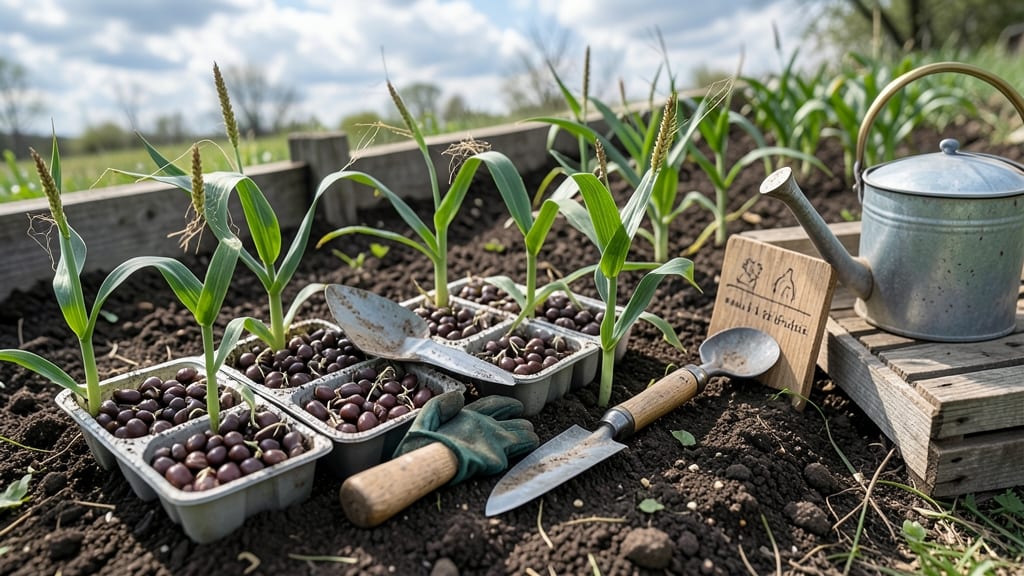
If you’ve ever dreamed of harvesting golden 🌽 cobs straight from your South African garden, timing is the secret ingredient—plant mielies too early and risk stunted growth, too late and miss the sweetest harvest window. The right months make all the difference between a thriving crop and wasted effort.
South Africa’s climate offers two prime planting windows: September–November for spring crops and February–March for summer harvests, depending on your region.
Whether you’re in the sun-drenched Free State or the cooler highlands of KwaZulu-Natal, knowing when to start ensures your mielies thrive without frost stress (yes, even in USDA Zone 10a, timing still matters!).
But here’s the kicker: soil temperature and rainfall patterns can shift your ideal dates by weeks. I’ll break down the exact frost-free windows by province and share pro tips to adjust for early or late varieties—so you can plant with confidence and avoid common pitfalls that sabotage harvests.
Ready to turn your plot into a mielie powerhouse? Let’s dive into the month-by-month guide that’ll have you picking plump cobs in no time—no guesswork, just results.
South Africa’s frost-free planting windows by region (month-by-month guide)
South Africa’s diverse climate means mielie planting times vary dramatically by region—from the frost-free summer rainfall areas of KwaZulu-Natal to the winter rainfall coast of the Western Cape. Unlike frost-prone northern hemisphere zones, most South African regions offer year-round growing potential, but timing still dictates success.
For spring planting (most common), aim for September–November when soil temperatures consistently exceed 15°C (59°F). Summer planting in February–March works for late-season varieties, especially in warmer provinces like Mpumalanga or Limpopo. The key? Avoid planting when soil is too cold or too dry—both stunt germination.
Here’s how to align your planting with South Africa’s five key agro-climatic zones, including frost risk (where applicable) and ideal harvest windows:
| Region | Best Planting Months | Frost Risk | Harvest Window | Soil Temp Requirement |
|---|---|---|---|---|
| Gauteng (Highveld) | September–October | Low (late May–July) | December–March | 15°C+ |
| KwaZulu-Natal (Coastal) | August–November | None | October–April | 18°C+ |
| Western Cape (Winter Rainfall) | February–March | None | May–July | 20°C+ |
| Mpumalanga/Limpopo | September–October | Moderate (June) | December–February | 16°C+ |
| Free State/North West | October–November | High (May–July) | January–March | 14°C+ |
🌽 Pro Tip: Use a soil thermometer to confirm 15°C+ before planting—cold soil delays germination by 3–5 days.
In summer rainfall areas like Gauteng or Mpumalanga, late September is ideal—soil warms quickly, and spring rains ensure consistent moisture. For winter rainfall zones (e.g., Western Cape), wait until February when summer rains begin. Coastal KwaZulu-Natal gardeners enjoy the longest window (August–November) thanks to year-round warmth.
Regions with frost risk (e.g., Free State, Highveld) require early planting to harvest before May–July frosts. Use row covers if seedlings appear when night temps drop below 10°C (50°F). In frost-free zones, focus on soil moisture—drought stress slows growth more than cold.
For container growing, extend your window by 2–4 weeks—pots warm faster than ground soil. Place containers in south-facing spots (Southern Hemisphere) to maximize sun exposure. Always use well-draining mix with compost to retain moisture during hot, dry spells.
Missed the ideal window? Short-season varieties
How to adjust planting dates for early/late varieties and soil conditions
Choosing the right mielie variety and monitoring soil temperature can extend your growing season by weeks. Short-season varieties like PAN 6735 mature in just 90 days, while long-season types such as SC 513 take 120 days—this flexibility lets you plant earlier or later based on your region’s climate.
For spring planting (ideal for most of South Africa), aim for September-October when soil temperatures consistently stay above 15°C (59°F). Use a soil thermometer to confirm—cool soils delay germination. In winter rainfall areas like the Western Cape, shift to February-March planting for summer harvests.
🌱 Pro Tip: Test soil moisture before planting. Stick your finger 5cm deep—if dry, water thoroughly 24 hours beforehand. Mielies need consistent moisture during germination, or seeds may rot.
Early Varieties (90-Day Maturity)
Pros:
- Plant earlier in spring
- Avoid late frost risks
- Faster harvest cycle
Cons:
- Smaller ear size
- Less drought tolerance
Late Varieties (120-Day Maturity)
Pros:
- Larger cobs
- Better yield per plant
- Extended harvest window
Cons:
- Requires later planting
- Risk of drought stress in summer
Unexpected late frosts? Protect seedlings with black plastic mulch or row covers—these raise soil temps by 3-5°C and shield tender shoots. In high-altitude areas like the Drakensberg, delay planting until mid-October to avoid frost entirely.
Soil pH matters too! Test your soil—mielies thrive in 6.0-6.5 pH. If too acidic, add lime; if alkaline, mix in sulfur. Well-drained soil prevents root rot, a common issue in heavy clay soils like those in Mpumalanga.
💧 Key Takeaway: Adjust planting dates by 1-2 weeks based on soil warmth and variety. For example, in KwaZulu-Natal, plant early varieties in August for December harvests, while Western Cape gardeners should wait until March to avoid summer drought stress.