
Plants
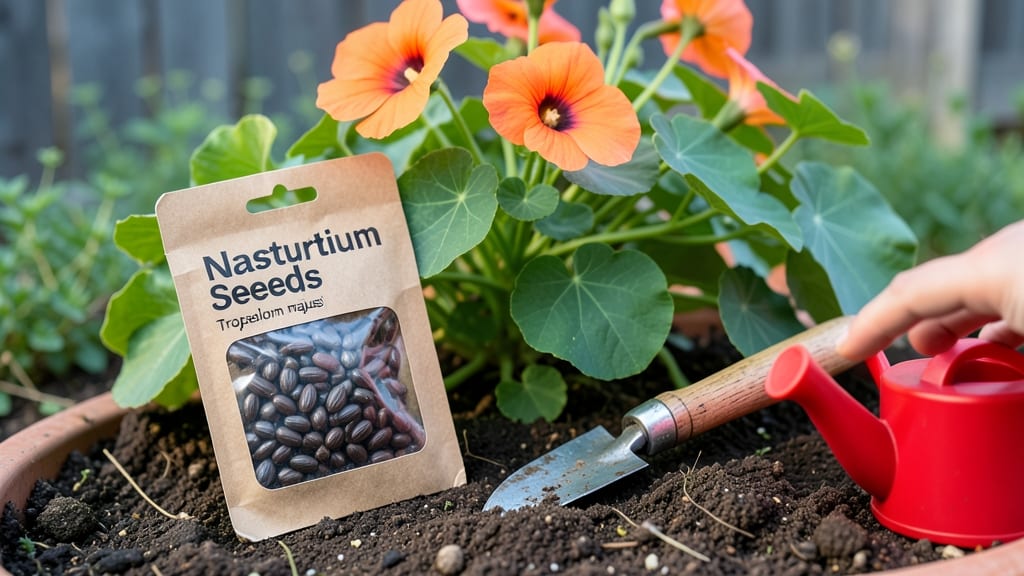
If you’ve ever wondered when to plant nasturtium seeds in Southern California for the most vibrant, edible blooms, the answer lies in the region’s unique climate. Unlike other plants, nasturtiums 🌸 actually thrive in cooler months—think fall through early spring—when temperatures stay mild and frost is rare.
This cool-season window is your golden opportunity to grow these cheerful, peppery-flavored flowers without battling summer heat or unpredictable spring rains.
Whether you’re in coastal Santa Barbara or inland Palm Springs, timing matters because nasturtiums germinate fastest when soil temps hover between 50-75°F—perfect for Southern California’s winter and early spring.
What makes this even better? Nasturtiums are year-round survivors, but they reward you most when planted between September and April. That’s when you’ll get those bold, edible blooms in just 4-6 weeks, making them ideal for succession planting or extending your harvest through the seasons.
Ready to transform your garden into a colorful, edible paradise? Let’s break down the exact months, microclimate tweaks, and soil secrets to make your nasturtiums flourish—no matter where you are in the Golden State.
Best planting timeline for nasturtium seeds in Southern California’s climate zones
Southern California’s USDA Zones 9b-11 offer a unique advantage for growing nasturtiums—they can be planted year-round, but the cool-season months deliver the most vibrant blooms and edible leaves.
Unlike northern climates, we don’t have to worry about frost damage, but microclimates like coastal areas (e.g., Santa Barbara) vs. inland desert edges (e.g., Palm Springs) create distinct planting windows.
The ideal germination temperature for nasturtium seeds is 60-70°F, making fall and winter the perfect time to start seeds outdoors.
Inland areas with hotter summers (like Zone 11) can even plant in late summer for a cooler-season harvest, while coastal regions benefit from year-round succession planting thanks to milder temperatures.
Here’s how to align your planting with Southern California’s microclimates for maximum success:
| Climate Zone | Best Planting Months | Germination Time | Key Considerations |
|---|---|---|---|
| Coastal (Zone 9b-10) | September–April | 7–14 days | Humidity may slow germination; use raised beds for drainage. |
| Inland Valleys (Zone 10-11) | October–March | 5–10 days | Hotter soils; water deeply after planting to prevent bolting. |
| Desert-Adjacent (Zone 11) | August–November | 10–21 days | Plant in shade cloth until established; mulch heavily. |
| Mountain Slopes (Zone 9b) | September–May | 14–21 days | Light frosts possible; use row covers for protection. |
For coastal gardens, I recommend starting seeds in late September to take advantage of mild ocean breezes that prevent heat stress. Inland areas should aim for October planting, while desert regions can push to November for a cooler-season harvest before summer heat arrives.
If you’re growing nasturtiums for edible flowers and leaves, prioritize fall planting (September–November). This ensures a steady supply of peppery greens and vibrant blooms just as summer’s heat ramps up. Spring plantings (February–April) work well too, but may struggle with bolting if temperatures rise too quickly.
Pro tip: Direct-sow seeds rather than starting indoors—nasturtiums hate transplanting and resent root disturbance. Plant seeds ½ inch deep in well-draining soil with full sun to partial shade. In Zone 11, provide afternoon shade during peak summer to prevent wilting.
For continuous blooms, stagger plantings every 3–4 weeks from September through March. This succession planting strategy ensures you’ll always have fresh flowers and leaves ready for salads or garnishes.
Remember, nasturtiums are drought-tolerant once established, but young seedlings need consistent moisture to prevent bolting. Water deeply once a week in coastal areas and every 2–3 days in inland desert zones during their first month of growth.
🌸
Best planting timeline for nasturtium seeds in Southern California’s climate zones
Southern California’s USDA Zones 9b-11 offer unique microclimates where nasturtiums thrive year-round, but timing matters for optimal germination and growth. The cool-season window (fall to early spring) delivers the best results, with September-November and February-April being peak months for direct sowing.
Coastal areas like Santa Barbara and San Diego experience milder winters, allowing earlier fall plantings (August-September), while inland desert-adjacent zones (e.g., Palm Springs) benefit from winter plantings (December-January) to avoid summer heat stress.
Nasturtium seeds germinate best in 60-75°F soil temperatures, making fall and early spring ideal. Coastal regions can extend planting into late spring (May) if shaded, while inland areas should avoid summer plantings (June-August) due to heat sensitivity.
| Season | Best Planting Months | Soil Temp (°F) | Coastal Adjustment | Inland Adjustment |
|---|---|---|---|---|
| Early Fall | September-October | 65-75°F | Extend to November | Plant by September |
| Winter | December-January | 55-65°F | Avoid if frost risk | Ideal for heat escape |
| Early Spring | February-April | 60-70°F | Extend to May with shade | Avoid after April |
| Late Spring | May | 70-75°F | Shade required | Not recommended |
For coastal gardens, take advantage of fall rains by planting in September-October to establish roots before winter. Inland growers should focus on winter plantings (December-January) to avoid summer drought stress.
Always direct-sow seeds ½ inch deep in well-draining soil, as nasturtiums dislike transplanting. Use succession planting every 2-3 weeks in fall/spring to ensure continuous blooms and harvests.
Remember: Nasturtiums are heat-tolerant once established, but seedlings struggle above 80°F. Prioritize shade cloth in summer if extending the growing season beyond spring.