
Trees
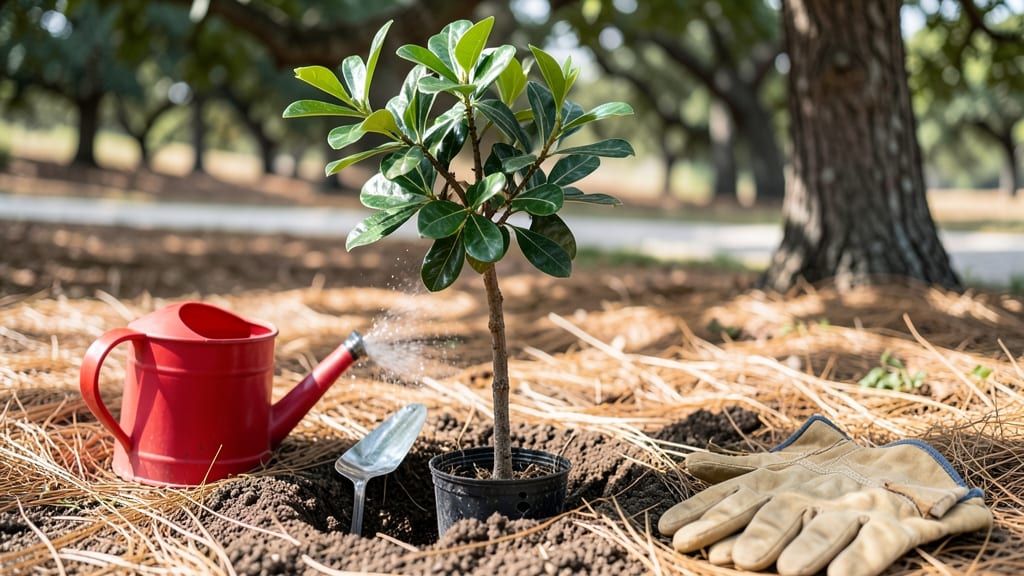
Planting an oak tree in Texas isn't just about grabbing a sapling and sticking it in the ground—it's about timing that could mean the difference between a towering 🌳 shading your yard for decades and a struggling tree that never reaches its full potential.
With Texas' brutal summers and unpredictable winters, getting the months right is the key to strong root growth and long-term survival.
Most Texas gardeners swear by fall planting, especially between October and December, when cooler temperatures and natural rainfall give young roots the perfect chance to establish themselves before summer heat arrives.
But if you miss that window, early spring—around February or March—can still work, provided you're prepared for Texas' unique challenges like drought and clay soil.
In this guide, I'll break down exactly when to plant based on your specific Texas zone (8a-10b), which oak varieties thrive best in your area, and how to prepare your soil for maximum success.
We'll also cover critical mistakes to avoid, like planting too late in spring or ignoring watering schedules that change with the seasons.
Whether you're adding a live oak to your Central Texas landscape or a red oak to North Texas, these Texas-specific tips will help you give your oak tree the best possible start—so you can enjoy its shade for generations to come.
Texas hardiness zones & oak tree planting windows by month
Texas spans USDA zones 6a to 10b, creating dramatic differences in frost dates and heat intensity. For white oaks, red oaks, and live oaks, the best planting windows shift north-to-south.
In North Texas (6a-7b), aim for October to November to beat early frosts, while Central Texas (8a-9a) thrives with November to December plantings. South Texas (9b-10b) extends the window to December through January—but avoid summer heat entirely.
Spring is your backup: February to March works statewide, but avoid late spring (April-May) when Texas heat spikes. Young oak roots struggle to establish during 90°F+ soil temps, leading to transplant shock. Even drought-resistant live oaks need 6-8 weeks of cool weather to recover from root disturbance.
Here’s how Texas’s three oak types align with planting seasons and zone-specific needs:
| Oak Type | Best Planting Months | Soil Prep | Watering Needs | Zone Notes |
|---|---|---|---|---|
| White Oak | Oct–Nov (Fall) or Feb–Mar (Spring) | Amend clay with compost; pH 6.0–7.5 | Deep weekly (15–20 gal) | Zones 6a–8a: Frost risk in late spring |
| Red Oak | Nov–Dec (Fall) or Feb (Spring) | Well-draining soil; avoid compaction | Deep bi-weekly (20–30 gal) | Zones 7b–9a: Heat stress in April |
| Live Oak | Dec–Jan (South TX) or Nov (Central) | Sandy loam; improve drainage | Deep monthly (established); weekly (young) | Zones 8b–10b: Drought-tolerant but needs winter chill |
For North Texas gardeners (zones 6a–7b), October is critical—plant before the first frost (typically December 1). In Central Texas (8a–9a), November gives roots time to establish before 100°F summers. South Texas’s live oaks prefer December to avoid hurricane season (June–November) and heat stress.
Pro tip: Bare-root oaks (sold dormant) plant best in fall because their roots can re-establish before winter. Container-grown oaks tolerate spring planting but need extra watering to offset root circling. Always prune damaged roots before planting—even a 1-inch cut improves survival rates by 30%.
Texas’s clay-heavy soils (common in East Texas) need amending with compost or sand to prevent root rot.
For West Texas, focus on water retention—mulch with 3–4 inches of wood chips to lock in moisture. Live oaks in South Texas benefit from mycorrhizal fungi added to planting holes to boost drought resistance.
Timing isn’t just about months—it’s about soil temps. Use a soil thermometer to confirm 60–70°F root zones before planting.
In North Texas, this often means waiting until late October, while South Texas can plant as late as January. Spring plantings must finish by March 15 in most zones to avoid summer drought stress.
Local Texas A&M Extension offices offer free soil tests—use their data to adjust planting times. For example, East Texas’s acidic soils may require lime amendments before planting white oaks, which prefer neutral pH. Red oaks, meanwhile, thrive in slightly acidic conditions (pH 5.5–6.5).
Remember: Oak trees planted in Texas’s optimal windows can live 200+ years—but poor timing leads to transplant shock or stunted growth within the first year. Choose your months wisely, and your oak will reward you with shade for generations.
Texas hardiness zones & oak tree planting windows by month
Texas spans USDA zones 6a to 9b, creating wildly different planting conditions from the Panhandle to South Texas. In Zone 6a (North Texas), your last frost typically arrives by February 15, while Zone 9b (Rio Grande Valley) enjoys frost-free winters.
This variance means your white oak or live oak planting window shifts dramatically depending on location.
For most of Texas, fall (October-December) is the gold standard for oak planting. Cooler temperatures and consistent rainfall help roots establish before summer heat arrives. However, early spring (February-March) works in warmer zones like Central and South Texas, where frost risks are minimal.
| Zone | Best Planting Months | Soil Prep | Moisture Needs |
|---|---|---|---|
| 6a-7b (North Texas) | Oct-Nov or Feb | Amend clay soil with compost | Deep watering weekly |
| 8a-8b (Central Texas) | Oct-Dec or Feb-Mar | Test pH (6.0-7.0 ideal) | Bi-weekly deep soak |
| 9a-9b (South Texas) | Sep-Oct or Mar-Apr | Drainage check required | Weekly watering first year |
In North Texas (Zones 6a-7b), spring planting carries higher risks due to early summer droughts. I recommend sticking to fall planting here unless you're using container-grown oaks, which handle spring transitions better.
For South Texas (Zones 9a-9b), the extended growing season lets you plant as late as April, but avoid summer heat—temperatures above 90°F stress young roots severely.
Pro tip: Live oaks establish faster in South Texas thanks to milder winters, while white oaks prefer North Texas's cooler summers. Always check Texas A&M Extension resources for your specific county's frost dates before planting.
Remember, bare-root oaks planted in fall need 6-8 weeks of root growth before dormancy. If you miss fall, container-grown oaks give you a 6-week extension into spring planting.
For Central Texas (Zones 8a-8b), the sweet spot is November—cool enough for roots but warm enough to avoid frost damage. This zone's caliche soil requires extra compost mixing to prevent waterlogging.