
Plants
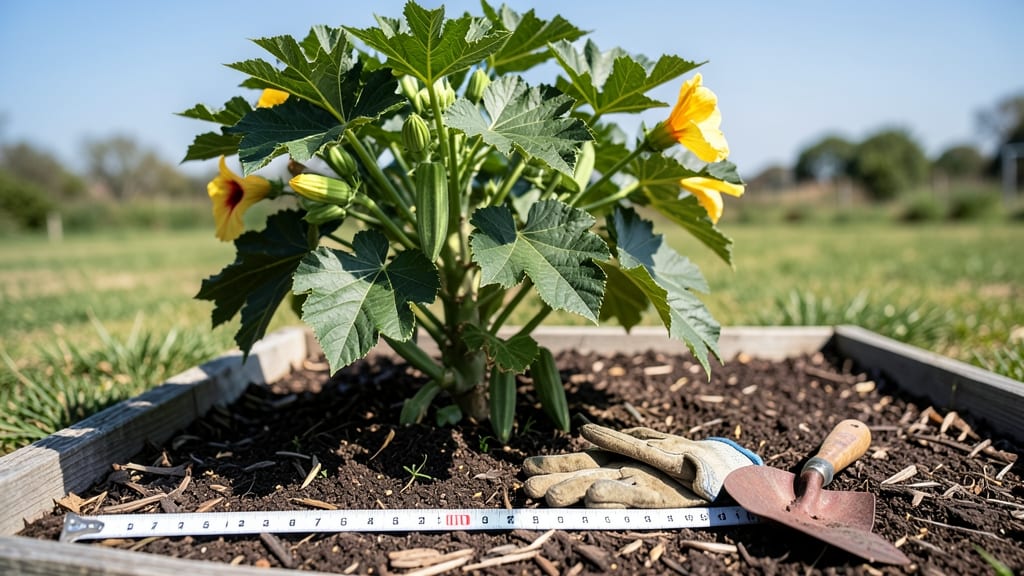
If you're dreaming of crisp, tender okra pods straight from your Oklahoma garden, timing your okra seed planting is the secret weapon you can't afford to miss. This heat-loving vegetable demands warmth to thrive, and planting too soon risks frost damage while waiting too long cuts your harvest short.
Most of Oklahoma falls in USDA zones 7a-7b, where okra flourishes when nighttime temperatures stay above 60°F. That means your best window opens in late April to early June after the last frost, or late July for a fall harvest in southern regions.
Skipping these cues could mean struggling with stunted growth or bitter pods.
I've learned the hard way that okra isn't patient—it needs consistent warmth to establish roots before summer's full heat arrives. The good news? With the right timing, you'll enjoy a 90-day harvest of pods perfect for gumbo or stir-fries.
Let me show you exactly when to plant for maximum success in your specific Oklahoma microclimate.
We'll cover soil temperature tricks, frost-free date tracking, and even how to stretch your growing season if your summer feels too brief. By the end, you'll know exactly when to pop those seeds into warm soil for a garden full of okra 🌱 that'll make your neighbors jealous.
Optimal planting windows for okra in Oklahoma’s climate zones
Oklahoma’s diverse climate—from the cooler northern regions to the sweltering southern plains—means okra planting times vary dramatically. In USDA Zones 6b-7a (north OK), wait until after the last frost (typically mid-April to early May) when soil temperatures consistently reach 70°F.
Meanwhile, Zone 8a (south OK) gardeners can start as early as late March for a jumpstart on the growing season.
For most of Oklahoma, the ideal planting window spans late April to early June. This ensures okra matures before first fall frosts (mid-October to early November). Fall planting is also possible in southern regions by late July, giving pods time to develop before winter sets in.
Here’s how to pinpoint your exact planting window using soil temperature and local frost dates:
| Region | USDA Zone | Last Frost | Planting Window | Soil Temp |
|---|---|---|---|---|
| North OK (Tulsa, OKC) | 6b-7a | Mid-April | Late April–May 15 | 70°F+ |
| Central OK (Stillwater) | 7a-7b | Early April | Late April–June 1 | 70°F+ |
| South OK (Lawton, Altus) | 8a | Late March | March 30–June 15 | 65°F+ |
| Fall Planting (South OK) | 8a | N/A | Late July–August 15 | 75°F+ |
A soil thermometer is your best tool for precision planting. Okra seeds won’t germinate in cold soil—wait until readings hit at least 70°F for 5 consecutive days. In northern Oklahoma, this often means delaying planting until late May to avoid late-spring frosts that can wipe out seedlings overnight.
For container gardening, use black pots to absorb heat and plant 2-3 weeks earlier than in-ground okra. Black pots can raise soil temperatures by 5-10°F, helping seeds germinate faster in cooler microclimates like shaded patios or urban gardens.
Pro tip: If you’re eager to start early, try a cold frame or row covers to protect seedlings from unpredictable late frosts. These low-tech solutions can extend your growing season by 2-3 weeks, giving okra a head start before Oklahoma’s brutal summer heat arrives.
Remember, okra thrives in heat and humidity, so plant after Memorial Day (late May) in most of Oklahoma for the best results. The earlier you plant, the more you’ll rely on consistent watering and mulch to keep roots cool during Oklahoma’s 100°F+ days.
Once your okra is in the ground, expect 90-day harvests if planted in late spring. For fall plantings, aim to harvest before first frost—typically by mid-October in northern regions or November in the south.
Optimal planting windows for okra in Oklahoma’s climate zones
Okra thrives in Oklahoma’s heat and humidity, but timing your planting is critical to avoid frost damage or slow growth. The last frost date varies across the state—mid-March in southern Oklahoma to early April in northern regions—so adjust your schedule accordingly.
For most gardeners, late April to early June is the sweet spot for spring planting, while late July allows for a fall harvest in southern areas.
Use a soil thermometer to confirm the ground has warmed to at least 70°F before planting. Okra seeds won’t germinate in cold soil, so waiting for consistent warmth prevents wasted efforts.
In USDA Zones 7a-7b (most of Oklahoma), this typically aligns with mid-May, but southern zones like Zone 8a can start as early as late April.
🌱 Okra Planting Guide by Oklahoma Region
| Region | USDA Zone | Last Frost Date | Ideal Planting Window | Soil Temp Threshold |
|---|---|---|---|---|
| Northern OK (Oklahoma City) | 7a | Early April | Late May | 70°F+ |
| Central OK (Stillwater) | 7b | Mid-April | Early May | 70°F+ |
| Southern OK (Tulsa) | 7b-8a | Late March | Late April | 68°F+ |
| Southwest OK (Lawton) | 8a | Mid-March | Late April | 68°F+ |
✅ Pro Tip: For a longer harvest, plant a second batch in late July—just ensure 60+ days remain before the first frost (mid-October).
If you’re eager to start early, pre-sprout seeds indoors under grow lights 2-3 weeks before the recommended outdoor date.
Transplant seedlings outdoors only after nighttime temperatures stay above 60°F—cold snaps can stunt growth or kill young plants. Direct sowing is easier and often more successful, as okra seedlings transplant poorly due to sensitive roots.
Okra’s 90-day growth cycle means a late June planting in northern Oklahoma might yield pods by mid-September, just before frost. In southern zones, a fall planting in late July can produce harvests until November. Always check local frost dates and adjust your schedule to maximize your growing season.
For container gardening, plant okra in large pots (15+ gallons) and place them in full sun. Containers warm up faster than garden beds, so you can start 1-2 weeks earlier than ground planting. Just ensure pots have drainage holes to prevent root rot in Oklahoma’s humid summers.
Monitor your okra’s progress by tracking pod development—harvest when pods are 2-3 inches long for the best texture and flavor. With the right timing, you’ll enjoy fresh okra straight from your garden for months! 🌿