
Plants
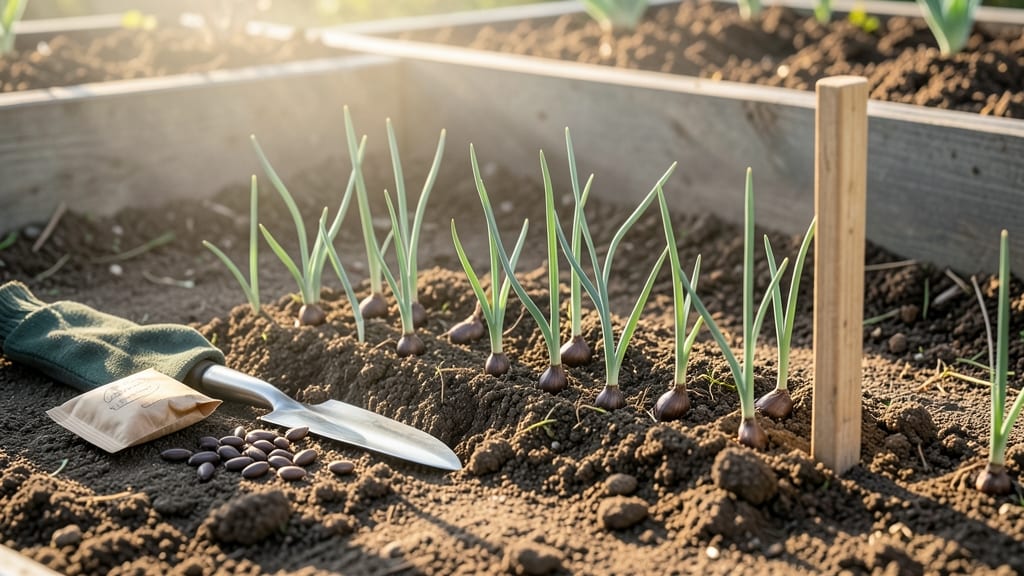
If you're planting onion seeds in Zone 8 and want a bountiful harvest without the frustration of bolting, timing is your secret weapon.
The difference between a thriving crop of 🧅 and wasted effort often comes down to when you put those tiny seeds in the ground—and whether you're planting in fall or spring.
Zone 8 gardeners know the struggle: too early, and your onions bolt before forming bulbs; too late, and they struggle to mature before summer heat sets in. The key lies in understanding soil temperatures, frost dates, and even the moon's phases to give your onions the best possible start.
Let me show you exactly when to plant for maximum success.
Whether you're a seasoned gardener or just starting with onions, this guide will walk you through the ideal planting windows for your climate. We'll cover everything from soil prep to variety selection, so you can avoid common mistakes and grow onions that actually form those sweet, plump bulbs you're craving.
Ready to transform your garden? Let's dive into the perfect timing and tricks that will have your onions thriving from seed to harvest—no bolting in sight!
Optimal soil temperature and Zone 8 planting windows for onion seeds
In Zone 8, timing your onion seeds correctly is the secret to avoiding the dreaded bolting before bulbs mature. The key lies in soil temperature—seeds need 45-65°F soil to germinate properly.
Plant too early, and cold snaps stifle growth; too late, and rising Zone 8 heat triggers premature flowering. Let’s break down the perfect windows and soil prep for your region.
For fall planting (the preferred method in Zone 8), aim for September-October when daytime temps hover around 70-75°F but nights cool below 60°F. This gives seedlings time to establish roots before winter dormancy. In spring, plant February-March for bulbs to mature before summer heat sets in.
Soil temperature is non-negotiable—use a soil thermometer to confirm readiness. 50°F+ soil signals it’s time to sow. In Zone 8’s mild winters, you can even extend the season with row covers or cold frames to protect early seedlings from unexpected 30°F drops.
Here’s the critical Zone 8 planting timeline to avoid bolting:
| Planting Window | Soil Temp (°F) | Key Consideration | Action |
|---|---|---|---|
| Early Fall (Sept-Oct) | 50-65°F | Cool nights, warm days | Direct sow seeds ½" deep |
| Late Winter (Feb) | 45-55°F | Avoid spring heat | Start indoors 6 weeks prior |
| Spring (March) | 55-65°F | Risk of bolting | Use shade cloth for seedlings |
Pro tip: Short-day onion varieties like Texas Early White or Yellow Granex thrive in Zone 8’s climate. These types resist bolting better than long-day onions when planted in fall. Pair them with well-draining soil (sandy loam works best) and a pH of 6.0-7.0 for optimal bulb development.
If you’re in a coastal Zone 8 area (like San Diego), you can push fall planting into November thanks to milder winters. Inland regions (e.g., Phoenix) should stick to September to avoid winter freezes.
Always check your last frost date—Zone 8’s average is January 15, but microclimates vary wildly.
For direct sowing, space seeds ½ inch apart in rows 12 inches apart. Thin seedlings to 4 inches apart once they’re 2 inches tall.
This spacing prevents crowding, which stresses plants and invites onion fly pests. Mulch with straw or grass clippings to retain moisture and regulate soil temp.
Ever notice how onion bulbs in grocery stores are uniform? That’s consistent soil temps and even moisture at work. In Zone 8, aim for 1 inch of water weekly (more in summer) and avoid overhead watering to prevent disease. A drip irrigation system keeps roots happy without wetting foliage.
Remember: Zone 8’s long growing season is a double-edged sword. While it allows for two harvests (fall and spring), it also means heat stress can bolt onions faster.
Start seeds indoors in January for a spring crop, or sow directly in September for a fall-winter harvest that matures before summer heat peaks.
Your onion seeds deserve the perfect start—cool soil, gentle temps, and patient timing. Master these, and you’ll go from frustrated gardener to onion bulb champion in no time! 🧅
How moon phases affect onion seed success: best planting days in Zone 8
Did you know the moon phases can dramatically impact your onion seed success? Onions are root crops, so planting during the right lunar phase encourages stronger bulb development and fewer pests.
In Zone 8, aligning your planting schedule with the moon’s cycles can mean the difference between a thriving harvest and wasted seeds.
The waning moon (after the full moon) is ideal for planting onions because it supports root growth. This phase lasts about 14 days and occurs roughly every 29.5 days. For Zone 8, aim to plant onion seeds during the waning gibbous or waning crescent phases for maximum success.
Here’s how to use the moon phases to your advantage in Zone 8: Start seeds indoors 4-6 weeks before your target outdoor planting date, but only during the waning moon.
Transplant seedlings outdoors during the waning gibbous phase—typically September 15-October 15 for fall planting or February 15-March 15 for spring.
- Waxing Moon (New to Full): Avoid planting—focus on weeding and soil prep.
- Full Moon: Best for transplanting seedlings (roots will thrive).
- Waning Gibbous (Full to Last Quarter): Ideal for direct sowing seeds.
- Last Quarter (Waning Crescent): Perfect for harvesting onions.
- New Moon: Use for soil aeration or composting (not planting).
For Zone 8 gardeners, the waning gibbous phase in early fall (around September 20-October 5) is your golden window. This timing ensures seeds germinate in cool soil (50-65°F) and mature before summer heat triggers bolting.
Use a lunar planting calendar to pinpoint exact dates—many free apps sync with your location for precision.
Pro tip: If you miss the fall window, don’t despair! Plant again in late winter (February) during the waning gibbous phase for a spring harvest. Just ensure soil temps stay above 45°F to prevent slow germination. Pair this with mulching to retain moisture and regulate soil temperature.
Aligning with the moon isn’t just folklore—it’s rooted in gravitational science. The moon’s pull affects water retention in soil and plant sap flow, which is why onions planted during the waning moon develop larger, firmer bulbs with fewer pests.
Give it a try this season and watch your onion harvest transform!