
Plants
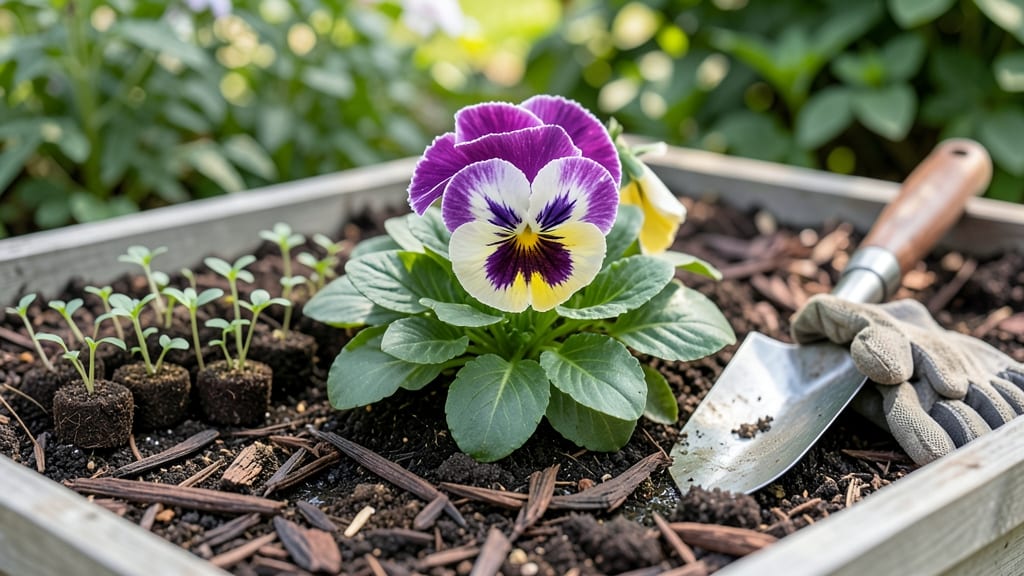
Planting pansies in Michigan at the wrong time can mean sad, frost-nipped blooms instead of the cheerful 🌸 faces you’re dreaming of—but timing these cold-hardy flowers just right unlocks months of vibrant color, even through winter.
Michigan’s Zone 5b-6b climate is actually perfect for pansies, but the secret lies in knowing exactly when to tuck them into the soil for zero-frost success.
Most gardeners assume spring is the only game in town, but fall planting is where the magic happens for Michigan growers.
By setting out pansies in early September, you’ll catch that sweet spot before the first frost—giving roots time to establish while the plants enjoy cooler temps they actually love.
And yes, spring planting works too, but only if you get them in the ground 4-6 weeks before your last frost date (usually mid-April).
What makes pansies such a game-changer for Michigan gardens? Unlike finicky annuals, they thrive in our chilly springs and survive light frosts, blooming cheerfully even when other plants are still napping under snow.
The key is avoiding those sneaky late frosts that can turn your bright 🌸s into sad, mushy messes. I’ll show you exactly how to read Michigan’s frost patterns and adjust your planting schedule like a pro.
Ready to transform your garden into a year-round rainbow? Let’s dive into the exact planting windows, soil prep tricks, and cold-hardy varieties that will keep your pansies looking fresh from September straight through to May—no guesswork required.
Best planting windows for Michigan pansies (Zone 5-6 guide)
Michigan’s cool, short growing season makes pansies a perfect choice—they bloom in spring and fall when most other flowers take a break. But timing is critical: plant too early, and frost will kill them; too late, and you’ll miss peak blooms.
For Zone 5-6, aim for two ideal windows: early spring and early fall.
The key is avoiding frost. Michigan’s average last frost date hovers around mid-April in most areas, while the first frost typically arrives in mid-October. Pansies can handle light frosts (28°F), but prolonged cold or heavy ice will damage them.
Plan your planting to give roots 4-6 weeks to establish before frost hits.
Here’s the golden rule: Plant pansies 4-6 weeks before your average last frost for spring blooms, or 6-8 weeks before the first frost for fall color. In Michigan, that means March-April for spring and September-October for fall. Soil temperature should be at least 40°F—cooler soil delays germination.
| Season | Planting Window | Soil Temp | Frost Risk | Bloom Time |
|---|---|---|---|---|
| Early Spring | March–April (4–6 weeks before last frost) | ≥40°F | Low (light frosts OK) | April–May |
| Early Fall | September–October (6–8 weeks before first frost) | ≥45°F | Moderate (avoid heavy frost) | September–October |
✅ Pro Tip: Use row covers for late-spring or early-fall plants to extend the season.
For spring planting, start seeds indoors 6-8 weeks before your last frost date (early February in Michigan). Harden off seedlings before transplanting outdoors. If you’re buying transplants, choose well-rooted ones from nurseries—avoid leggy or wilted plants.
Fall planting is trickier because Michigan’s first frost can sneak up fast. Plant 6-8 weeks before the average frost date (early September in most areas). Choose late-blooming varieties like 'Matrix' or 'Cool Wave', which handle cooler temps better. Add 2-3 inches of mulch after planting to insulate roots.
Microclimates matter! South-facing beds warm up faster in spring, while shaded spots near buildings or trees stay cooler longer. Test your soil—pansies prefer pH 5.8-6.5 and well-draining soil. Amend heavy clay with compost to prevent waterlogging, which pansies hate.
One common mistake? Planting pansies too early in fall and having them bolt in summer heat. If you plant in August, they’ll struggle with 90°F+ temps and may stop blooming. Stick to September for reliable fall color. Similarly, late-May plantings risk frost damage in northern Michigan.
Need a backup plan? Container gardening works beautifully for pansies. Use 10-12 inch pots with drainage holes and move them to protected spots (porches, patios) if frost threatens. Containers also let you rotate plants to follow the sun, maximizing bloom time.
Finally, succession planting is your secret weapon. In Michigan, you can stagger plantings every 2-3 weeks from March to September for non-stop color. Just adjust spacing: 9-12 inches apart for full sun, 6-8 inches for partial shade.
Best planting windows for Michigan pansies (Zone 5-6 guide)
Michigan’s USDA Zones 5b-6b offer two prime windows for planting pansies: early spring and early fall. These cold-hardy annuals thrive when soil temperatures hover between 45°F and 65°F, giving them time to establish roots before extreme heat or frost.
Missing these windows means risking wilted blooms or stunted growth.
For spring planting, aim for 4-6 weeks before your last frost date—typically mid-March to early April in most of Michigan. This timing ensures pansies bloom by late April or May, just as Michigan’s cool-season insects become active.
Fall planting is equally critical: sow seeds or transplants 6-8 weeks before your first frost, usually late August to mid-September.
🌱 Michigan Pansy Planting Timeline
| Season | Planting Window | Soil Temp | Bloom Time |
|---|---|---|---|
| Spring | Mid-March to early April | 45°F–65°F | Late April–June |
| Fall | Late August–mid-September | 50°F–60°F | September–November |
⚠️ Pro Tip: Use a soil thermometer to confirm temperatures—pansies hate soggy, cold soil!
Northern Michigan (Zone 5b) has a shorter growing season, so adjust planting dates 1-2 weeks earlier than southern Michigan (Zone 6b). For example, Traverse City gardeners should plant by late March for spring, while Detroit can wait until early April.
Always check your local Michigan State University Extension frost dates for precision.
Direct-sowing pansies is possible, but transplants give you a 2-3 week head start. Buy cold-resistant varieties labeled for Zone 5, like 'Matrix' or 'Cool Wave', which handle Michigan’s late spring frosts better than standard types. Harden off transplants for 5-7 days before planting to reduce shock.
After planting, mulch heavily with 2-3 inches of straw to insulate roots from temperature swings. In Zone 5b, this extra layer can mean the difference between surviving and freezing. Water deeply once a week after planting to encourage root growth, but avoid overwatering—pansies hate soggy feet.
Timing isn’t just about frost dates—it’s also about light exposure. Plant pansies in full sun to partial shade (6+ hours of light) for best blooms. In Michigan’s short spring days, prioritize south-facing beds where pansies can soak up every sunny minute.
With perfect timing, your pansies will reward you with months of color—even through Michigan’s chilly winters.