
Trees
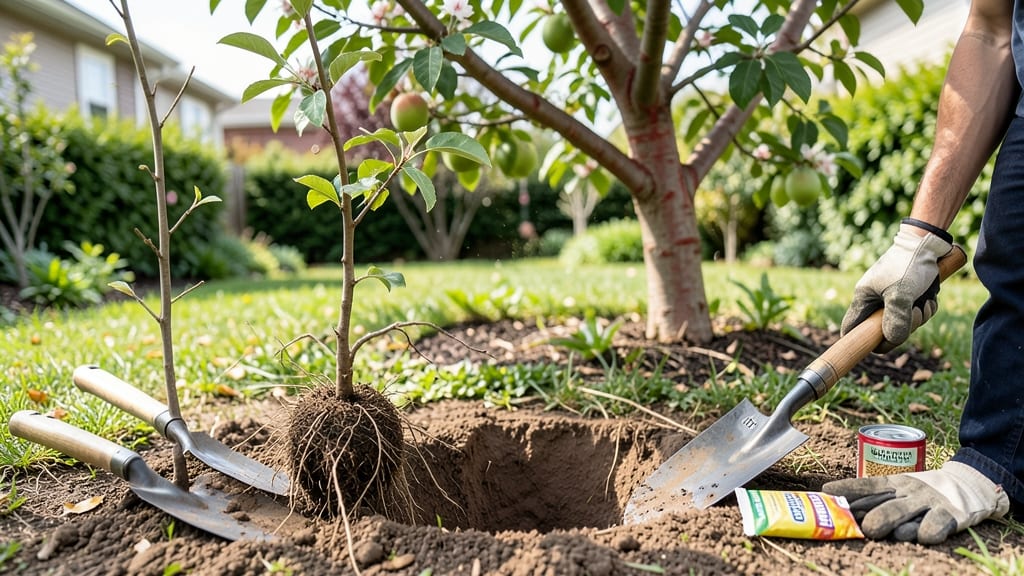
Planting a peach tree 🍑 in Alabama at the wrong time could mean wasted effort—or even losing your young tree to surprise frosts. The key isn’t just picking a month, but understanding how Alabama’s 7a-8b climate zones and chill-hour needs (300-900 hours) determine success.
Most gardeners know spring is the best window, but did you realize late winter (February-March) gives your tree a head start? This is when soil warms enough to root while avoiding late frosts that can damage tender new growth.
I’ll break down exactly how to match your peach variety to Alabama’s frost-free window, from Birmingham’s cooler microclimates to Mobile’s longer growing season. Plus, I’ll share pro tips for container planting if you’re in a frost-prone pocket.
Whether you’re planting bare-root saplings or container-grown trees, timing makes all the difference. Let’s get your peach tree off to the right start—because a well-timed planting means better fruit production and fewer headaches down the road.
Alabama’s best planting months for peach trees based on chill-hours
Alabama’s climate offers a short but intense growing season, making chill-hour requirements the most critical factor when planting peach trees. Most Alabama regions fall under USDA zones 7a-8b, where winter temperatures rarely drop below 10°F. This means peach varieties need 300-900 chill hours to produce fruit successfully.
For North Alabama (zones 7a-7b), where winters are cooler, you can plant high-chill varieties (500-900 hours) like Elberta or Redhaven in late February to early March. These trees thrive with Alabama’s 150-200 chill hours during winter months, but they need the extra cold to set fruit buds properly.
In Central and South Alabama (zones 8a-8b), where winters are milder, low-chill varieties (300-400 hours) like Contender or June Gold are ideal. These should be planted in March to early April to avoid late frosts that can damage young trees still establishing roots.
🌱 Did You Know? Alabama’s frost-free window varies by region—North Alabama averages 200 frost-free days, while South Alabama can have 240+ days. This affects when peach trees can safely transition from dormancy to active growth.
| Chill-Hour Range | Best Planting Month | Recommended Varieties | Alabama Region Fit |
|---|---|---|---|
| 300-400 hours | March-April | Contender, June Gold, Redtop | South/Central Alabama |
| 400-500 hours | Late February-March | Redhaven, Suncrest, Flordagold | Central Alabama |
| 500-700 hours | Late February-Early March | Elberta, Reliance, Halford | North Alabama |
| 700-900 hours | February (bare-root only) | Loring, Babcock, Carolina Gold | North/Cold pockets |
If you’re planting bare-root peach trees, aim for late winter (February) to give roots time to establish before the last frost date, which typically falls around March 15 in most of Alabama.
Container-grown trees can be planted slightly later, up to April, but avoid planting after May—this delays root growth and reduces fruit production the following year.
For fall planting, which is less common but possible, choose low-chill varieties and plant in October. This gives roots time to establish before winter, but be cautious—young trees planted in fall are more vulnerable to winter dieback if temperatures drop unexpectedly.
Always check the chill-hour requirements of your chosen variety before buying. A mismatch can lead to poor flowering or even no fruit at all. For example, planting a 900-hour variety in South Alabama (300-400 hours) will result in minimal to no fruit production.
Pro tip: If you’re unsure about your local chill hours, use the Alabama Cooperative Extension System’s chill-hour calculator or consult with a local nursery specialist. They can help match the perfect variety to your microclimate.
Finally, remember that soil temperature matters just as much as air temperature. Peach trees need soil to warm to at least 55°F before planting. In Alabama, this usually happens by mid-March, but cooler springs may delay it until April.
Alabama’s best planting months for peach trees based on chill-hours
Alabama’s climate—especially its chill-hour requirements—dictates the best time to plant peach trees. Most Alabama regions fall within USDA zones 7a-8b, meaning peach trees need between 300-900 chill hours to produce fruit successfully.
If you plant at the wrong time, your tree may fail to bloom or set fruit, wasting your effort and investment.
For low-chill varieties (300-400 hours), like ‘Contender’ or ‘Redhaven’, aim for planting in late February to early March. These varieties thrive in Alabama’s shorter winter chill periods.
Meanwhile, high-chill varieties (700-900 hours), such as ‘Elberta’, need cooler winters and should be planted in November or early December to establish roots before dormancy.
| Variety | Chill-Hours Needed | Best Planting Window | Alabama Suitability |
|---|---|---|---|
| Contender | 400 | Late Feb - Early March | Excellent (low chill) |
| Redhaven | 500-600 | Early March | Good (moderate chill) |
| Elberta | 700-900 | November - Early Dec | Limited (high chill) |
| Bonanza | 300-400 | Late Feb - Early March | Excellent (low chill) |
If you’re planting bare-root peach trees, do so as soon as the soil is workable—typically 2-3 weeks before the last frost date. In Alabama, this usually falls between mid-February and early March for most regions.
For container-grown trees, you can plant slightly later, up to April, as long as the soil temperature stays above 55°F.
Fall planting is risky in Alabama due to late-season frosts, but it can work for high-chill varieties if you plant in November and protect young trees with mulch or frost cloth.
Always check your local Alabama Cooperative Extension Service for frost date updates, as microclimates can vary dramatically even within the same county.
For urban gardeners in warmer microclimates, like Mobile or Huntsville, consider low-chill varieties and plant in late winter to avoid heat stress. In cooler mountain regions, like the Appalachian foothills, you may need to plant earlier in November to ensure proper root establishment before winter.
Remember, soil preparation is just as critical as timing. Amend your soil with compost or aged manure and ensure proper drainage to prevent root rot—a common issue in Alabama’s heavy clay soils.
Planting at the right time gives your peach tree the best chance to thrive and reward you with juicy, homegrown fruit for years to come. 🌱