
Plants
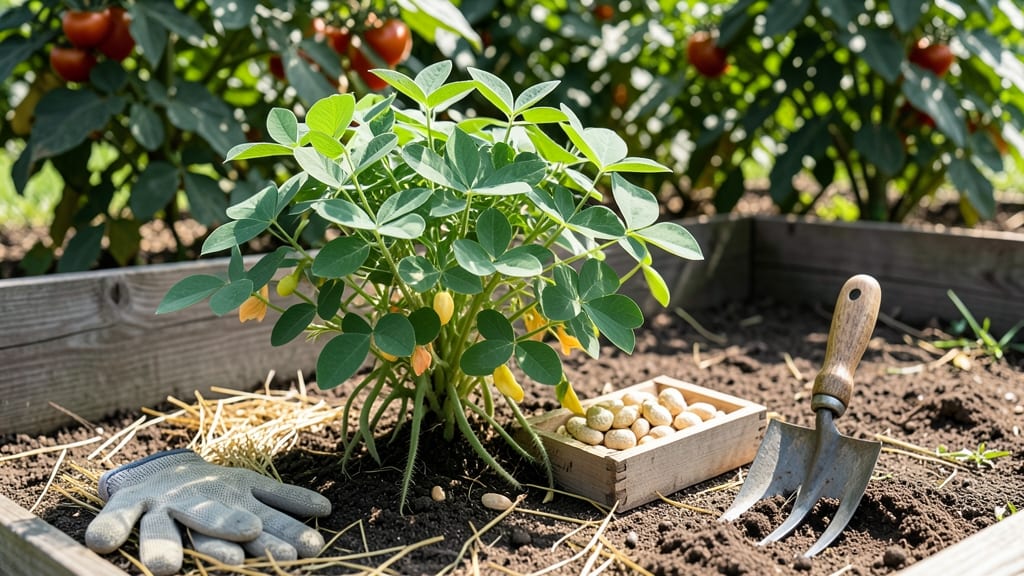
If you're dreaming of a bountiful 🥜 harvest in Georgia (GA), planting your peanuts at the right time is the key to success.
The window between late April and early June isn't just a suggestion—it's when soil temperatures hit that perfect 70°F+ mark, giving your plants the warm start they need to thrive.
Georgia's 7b-8b climate zones create ideal conditions, but getting the timing wrong can mean stunted growth or even total crop failure. I've seen gardeners miss the mark by planting too early when frost still lingers, or too late when summer heat arrives—both can ruin your harvest before it begins.
What you'll discover here is how to read your local frost-free dates, prepare your soil for peak performance, and avoid common mistakes that waste time and effort. Whether you're in North GA's cooler hills or South GA's warmer plains, these insights will help you plant with confidence.
Let's break down the exact steps to set your peanuts up for a high-yield season, from soil prep to the perfect planting window that works for your specific corner of the state.
Georgia’s ideal peanut planting window: soil temperature & frost dates
Peanuts thrive in Georgia’s warm climate, but getting the timing right is everything. Planting too early when soils are still cool can stunt growth, while waiting too long risks shorter harvest windows. The key? Soil temperatures of 70°F+ and knowing your region’s last frost dates.
Georgia spans USDA zones 7b-8b, meaning frost-free dates vary dramatically. In North Georgia (Athens, Dalton), the average last frost is April 15, while South Georgia (Savannah, Valdosta) sees frost-free conditions by March 1. Central Georgia (Macon, Columbus) falls in between, typically around March 25.
Peanuts are warm-season crops that need consistent warmth to germinate. If you plant before soils reach 70°F, seeds may rot or take weeks to sprout. Use a soil thermometer to check depth—peanut seeds should go in when the top 2 inches of soil hit that magic 70°F mark.
Pro Tip: In cooler North Georgia regions, aim for late April to early May planting. South Georgia gardeners can start as early as mid-March, while Central Georgia’s sweet spot is late March to early April. Always wait 2 weeks after your last frost date to be safe.
Don’t rely solely on calendar dates—soil temperature is your true guide. Even if your region’s frost date has passed, if the ground is still chilly, seeds won’t germinate properly. Peanuts need warmth to develop those signature underground pegs where the pods form.
For extra precision, check the University of Georgia Extension’s frost maps or use the National Weather Service’s climate data tools. These resources break down microclimates that can shift planting windows by 2-3 weeks even within the same county.
Once you’ve nailed the timing, prepare your soil by amending it with compost and sand—peanuts hate soggy conditions. Aim for a pH of 5.8-6.2 and plant seeds 1.5-2 inches deep, spaced 6-12 inches apart in rows 18-24 inches apart.
Remember: Peanuts take 120-150 days to mature, so planting too late risks harvests coinciding with Georgia’s fall rains or early frosts. Plan ahead to avoid soggy pods!
With the right timing, your Georgia peanut patch can yield 3,000-5,000 pounds per acre—worth the effort to get those soil temps and frost dates just right! 🥜
Georgia’s ideal peanut planting window: soil temperature & frost dates
Peanuts thrive in Georgia’s warm climate, but soil temperature and frost-free dates determine the perfect planting window. Unlike cool-season crops, peanuts need consistent warmth—planting too early in cold soil stunts growth, while waiting too long shortens the harvest window.
Let’s break down the critical factors for North GA vs. South GA to help you time it right.
Peanuts require soil temperatures of 70°F or higher to germinate properly. In North Georgia (USDA zones 7b-8a), this typically aligns with late April to early May, while South Georgia (zones 8a-8b) can start as early as mid-March to early April.
Always check your local last frost date—peanuts are frost-sensitive and won’t survive even light freezes.
Here’s how to use USDA hardiness zones to refine your timing: In zone 7b (North GA), aim for May 1–15 to avoid early-season cold snaps. In zone 8a (Central GA), April 15–May 1 works best.
For zone 8b (South GA), you can start as early as March 15–April 1, but monitor soil warmth closely.
🌱Pro Tip: Use a soil thermometer to confirm temperatures. Bury it 2 inches deep—the ideal depth for peanut seeds—and wait until it consistently reads 70°F+ for 3–5 days before planting.
🌡️ Georgia Peanut Planting Guide by Region
| Region | USDA Zone | Ideal Planting Window | Soil Temp Requirement | Key Consideration |
|---|---|---|---|---|
| North GA | 7b-8a | Late April–Early May | 70°F+ (consistent) | Wait for last frost (avg. March 15) |
| Central GA | 8a | Mid-April–Early May | 70°F+ (consistent) | Soil warms faster; monitor for pests |
| South GA | 8b | Mid-March–Early April | 68°F+ (minimum) | Early start; watch for late frosts |
Missed the ideal window? Don’t panic. Peanuts can tolerate light frosts if planted slightly later (up to June 1 in North GA), but yields may drop. For container growing, extend your season by planting in late May and using black plastic mulch to warm the soil faster.
🌿Remember: Peanuts need 120–150 days to mature. If you plant too late, you’ll risk immature harvests before Georgia’s first frost (typically mid-November). Use a planting calendar to calculate your harvest date and adjust timing accordingly.
For extra precision, check the University of Georgia Extension’s frost maps or local Cooperative Extension offices. They provide hyper-local frost data that can shift planting windows by 1–2 weeks depending on elevation or microclimates.