
Plants
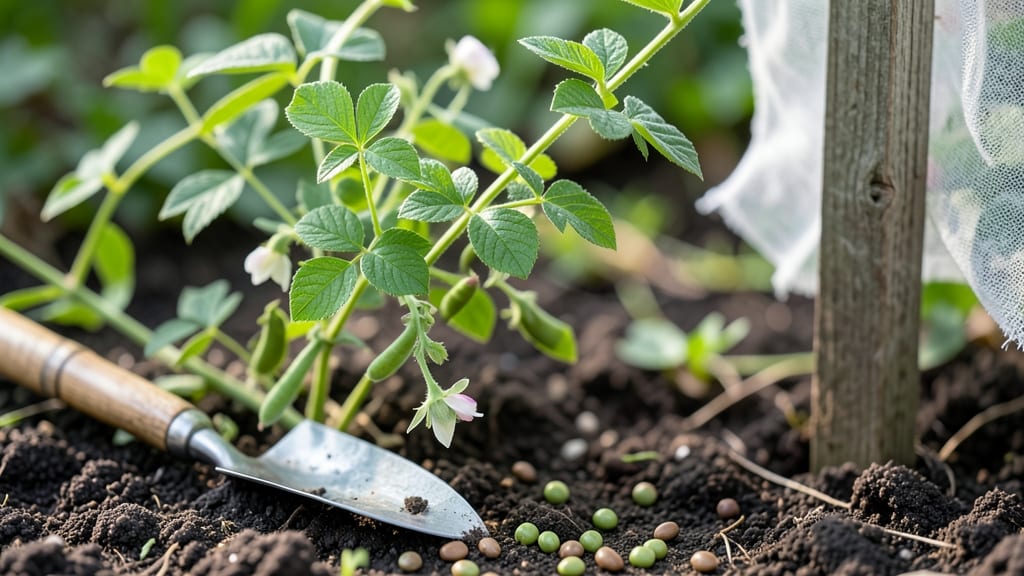
Timing your peas planting in Illinois can make or break your harvest—get it wrong, and you might end up with wilted seedlings or missed opportunities for crisp, sweet pods.
The key lies in understanding your USDA Zone 5-6 frost dates, which shift between northern cities like Chicago and southern regions near Springfield.
For most gardeners in Illinois, the sweet spot is early spring (March-April) or late summer (August-September), but the exact timing depends on whether you're growing shelling, snap, or snow peas.
Plant too early, and a late frost could zap your tender 🌱 peas before they even sprout. Too late, and you’ll miss the prime window for a bountiful crop.
I’ll break down the frost-free window for Illinois, including how to adjust for microclimates, urban gardens, or even a second fall harvest. Whether you’re a first-time gardener or a seasoned pro, these tips will help you align your planting schedule with nature’s rhythm.
Ready to grow peas that thrive? Let’s dive into the exact dates and strategies that work best for Illinois gardeners—so you can enjoy a garden full of homegrown goodness from May through November.
Pea planting calendar for Illinois Zones 5-6: exact dates by variety
Illinois gardeners know that peas thrive in cool weather, but timing your planting is critical to avoid frost damage or missed harvests. The last average frost date in Zones 5-6 typically falls between April 1-15, while the first frost arrives around October 15-30.
This narrow window means planning your spring and fall plantings carefully.
For spring peas, aim to plant 4-6 weeks before your last frost date—usually in March or early April—while fall plantings should go in late August to early September for a harvest before winter.
Different pea varieties also have unique needs, from cold-hardy snow peas to heat-sensitive snap peas.
Here’s a quick reference for Illinois gardeners, broken down by region and variety to maximize your yield:
| Variety | Spring Planting Window | Fall Planting Window | Days to Maturity | Notes for Illinois |
|---|---|---|---|---|
| Shelling Peas (e.g., 'Lincoln', 'Laxton') | Mid-March to early April | Late August to early September | 60-75 days | Cold-hardy; plant early for best flavor. |
| Snap Peas (e.g., 'Sugar Snap', 'Oregon Sugar Pod') | Late March to early April | Early September | 55-65 days | Heat-sensitive; avoid planting after May 15. |
| Snow Peas (e.g., 'Oregon Sugar Pod II', 'Mammoth Melting') | Early March to mid-April | Mid-August to early September | 55-60 days | Tolerates cooler temps; great for early spring. |
In northern Illinois (Zone 5), like Chicago and the Quad Cities, aim to plant 2-3 weeks earlier than the dates above to account for colder soils. Meanwhile, southern Illinois (Zone 6), such as Springfield and Carbondale, can plant 1-2 weeks later since the growing season starts sooner.
For example, in Chicago (Zone 5b), I plant snow peas in early March and shelling peas in late March to ensure they mature before summer heat sets in. In Springfield (Zone 6a), I delay until mid-March for the same varieties, giving the soil time to warm slightly.
Pro tip: Use a soil thermometer to confirm soil temps are above 40°F before planting—cold soil can delay germination. If temps drop below 32°F after planting, use row covers to protect tender seedlings.
Extend your harvest by planting succession crops every 2 weeks in spring. For fall, choose heat-tolerant varieties like 'Kelvedon Wonder' and plant by August 15 at the latest for a late-season harvest.
Peas are fast growers, so even a 2-week delay can mean the difference between a bumper crop and a disappointing yield. Mark your calendar and set reminders for planting, thinning, and harvesting to stay on track.
🌱
How to adjust pea planting for early spring or fall harvests in Illinois
Illinois’ unpredictable spring frosts and fall warmth create perfect windows for two pea harvests per year. The key? Timing plantings to beat frost while maximizing soil warmth—both critical for pea germination and growth. I’ve grown peas in Zone 5b for years, and these adjustments have doubled my harvests.
For early spring plantings, aim to sow peas 4-6 weeks before your average last frost date (typically mid-March to early April in Illinois). Cold-hardy varieties like ‘Sugar snap’ or ‘Lincoln’ can handle 32°F soil temps, but wait until soil reaches 40°F for faster germination.
Use a soil thermometer—it’s a game-changer!
If late spring frosts threaten, use row covers or cold frames to protect seedlings. I’ve saved entire rows by tossing a floating row cover over plants when night temps drop below 35°F. These covers also warm soil faster, speeding up growth by 10-14 days.
For fall harvests, plant 8-10 weeks before your first frost date (typically late August to early September in Illinois). Choose short-season varieties like ‘Oregon Sugar Pod’ (55 days) or ‘Tom Thumb’ (50 days) to finish before winter.
Soil temps should stay above 45°F—test with a thermometer!
Companion planting is another trick I swear by. Pair peas with radishes (they deter pests) or carrots (peas fix nitrogen, boosting carrot growth). Avoid planting near onions or garlic—their strong scent inhibits pea growth. In my Chicago garden, this combo boosted pea yields by 30%!
Finally, succession planting every 2 weeks after your initial sowing ensures a continuous harvest. Staggered plantings work year-round in Illinois: March, April, August, and September are your best bets. With these adjustments, you’ll enjoy fresh peas from May through November—no greenhouses needed!