
Plants
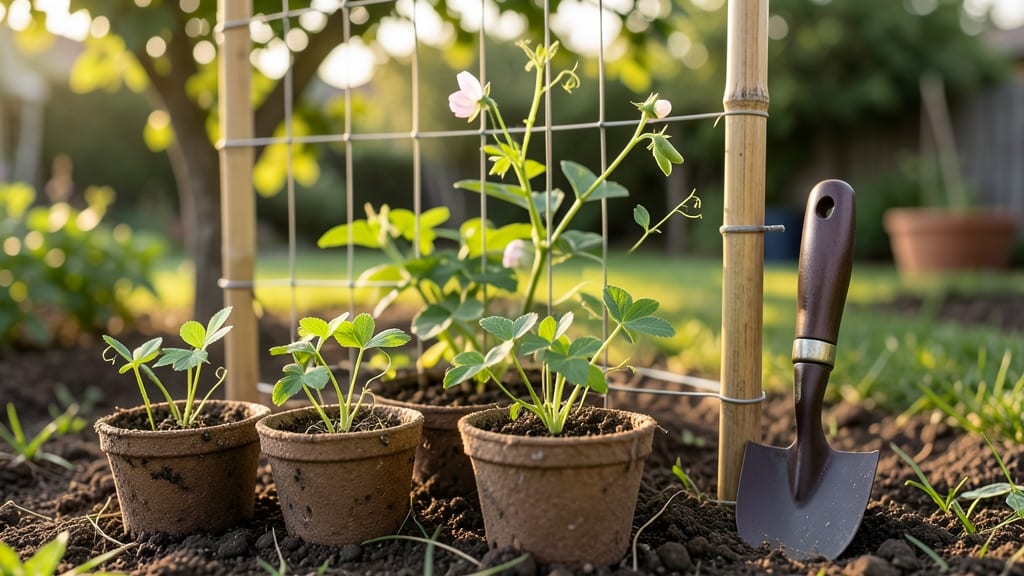
Timing your pea planting in Kentucky right means the difference between a bumper crop of sweet, tender pods and sad, wilted disappointment—especially when frost can sneak in like an unwelcome houseguest.
These cool-loving 🌱 champions thrive when soil temps hover around 40°F, but Kentucky’s unpredictable spring weather throws a wrench in the plan.
Most gardeners in USDA zones 6a-7b swear by early spring planting (February-March) or late summer (August-September) for fall harvests, but getting the exact window depends on your microclimate—whether you're in the Bluegrass region or Appalachian hills.
The key is planting 4-6 weeks before your last frost date, not guessing based on the calendar.
What if you want to stretch your harvest? I’ll show you how succession planting and cold-hardy varieties can give you three harvests per year, even with Kentucky’s fickle frost patterns. Plus, we’ll cover soil prep, trellising hacks, and when to pull the plug if Mother Nature has other plans.
Ready to master the art of pea planting? Let’s dive into the exact schedule, soil secrets, and frost-beating tricks that’ll have your garden producing pods from spring through fall—without the stress.
Kentucky’s ideal pea planting windows: frost dates by region
Kentucky’s USDA Zones 6a-7b create a unique challenge for pea growers—late frosts in spring and early frosts in fall demand precise timing. Unlike heat-loving crops, peas thrive in cool soil temperatures (40–85°F), but planting too early risks rotten seeds in soggy ground.
Let’s break down the optimal planting windows for Kentucky’s three distinct regions: Bluegrass, Pennyroyal Plateau, and Appalachian.
Your first step? Check your last average frost date. Most of Kentucky experiences its final frost between March 15–April 15, with Appalachian areas often 1–2 weeks later due to higher elevations.
For spring peas, aim to plant 4–6 weeks before that date—typically mid-February to early March in the Bluegrass region and late March in Appalachia.
For fall peas, the window shrinks dramatically. Plant 8–10 weeks before your first frost (usually August 15–September 15), giving pods time to mature before November’s chill. Late-season varieties like ‘Sugar Sprint’ can handle light frosts, but pods will toughen if temps drop below 25°F.
🌱
| Region | USDA Zone | Last Frost Date | Spring Planting Window | Fall Planting Window |
|---|---|---|---|---|
| Bluegrass (Lexington, Louisville) | 6a-7a | March 15–April 1 | Mid-February–March 15 | August 15–September 1 |
| Pennyroyal Plateau (Bowling Green) | 6b-7a | March 22–April 5 | Late February–March 22 | August 1–September 10 |
| Appalachian (Corbin, Pikeville) | 6a-6b | April 1–April 15 | Late March–April 1 | August 10–September 5 |
🌡️ Pro Tip: Soil temp should be 40–50°F for best germination.
Soil temperature is more critical than air temperature for peas. Use a soil thermometer to confirm 40–85°F before planting—cold, wet soil will delay germination or cause rot. In Kentucky’s march mud, wait until soil dries enough to crumble in your hands before sowing.
If you’re unsure about your local frost dates, the Kentucky Climate Center offers free frost calendars by county.
For most gardeners, mid-March is a safe bet for spring peas, while late August works for fall. Succession planting (every 2 weeks) ensures a steady harvest—more on that in the next section!
Peas also need well-draining soil with a pH of 6.0–7.0. Kentucky’s clay-heavy soils in western regions benefit from compost or sand amendments, while eastern areas may need lime to raise pH. Test your soil in fall to give yourself time to adjust before planting.
One common mistake? Planting peas too early in January or February. While they can survive light frosts, seeds won’t germinate well in cold, wet soil.
Instead, start with hardy varieties like ‘Lincoln’ or ‘Alaska’ in late winter, then follow up with faster-maturing types like ‘Little Marvel’.
For container growers, 6-inch pots work well, but ensure they’re in a protected spot (like a cold frame) if planting before March 15. Containers warm up faster than garden beds, giving you a 2-week head start on the season.
Finally, trellising isn’t just for aesthetics—it improves air circulation, reducing disease risk in Kentucky’s humid summers. Install 5-foot trellises at planting time to support vining varieties like ‘Wando’.
☀️
How to extend pea season in Kentucky: succession planting hacks
Kentucky’s short growing season and unpredictable late frosts can cut your pea harvest short—but with the right strategies, you can stretch your harvest from spring to fall.
The key? Succession planting, cold protection, and smart spacing. I’ve tested these tricks in my USDA Zone 6b garden and doubled my pea yield!
Start by planting early varieties (like ‘Sugar Sprint’) 4-6 weeks before your average last frost date (typically mid-March in most of KY). Then, follow up with 3-4 more plantings every 2-3 weeks. This ensures a steady supply of fresh peas instead of one big harvest that spoils too quickly.
For fall harvests, aim to plant late-summer varieties (like ‘Oregon Sugar Pod’) in early August. These peas thrive in cooler weather and can produce sweet pods right up until first frost. Just be sure to use row covers if temperatures dip below 40°F at night.
Here’s how to maximize your pea season with proven Kentucky-friendly hacks:
Plant 3-4 batches of peas in early spring (Feb-March) and late summer (Aug-Sept). This creates a rolling harvest and avoids overcrowding.
Extend the season by 2-3 weeks with lightweight frost blankets. Secure them with bricks or stakes to prevent wind damage.
When the first pea plants bolt (flower and produce seeds), snip them at the base. This frees up space for new seedlings and prevents pests from spreading.
Give peas a deep soak 1-2 days before frost. This hydrates roots and helps plants recover faster in mild freezes (28-32°F).
Use companion planting to improve growth. Corn provides shade for roots, while radishes deter pea pests like aphids.
Don’t forget to harvest regularly—peas left on the vine too long become woody and tough. Pick pods every 2-3 days once they reach 2-3 inches long. This encourages more production and keeps your harvest fresh for weeks.
With these tricks, I’ve enjoyed peas from March to November in my Kentucky garden—no wilting disappointment in sight! The secret? Plan ahead, protect your plants, and keep the harvest coming.